

Introduction
Gamification, as conceptualized by Landers (2014), has gained prominence as a transformative instructional approach that systematically integrates game mechanics into educational environments to foster student engagement, enhance motivation, and improve learning outcomes. By leveraging elements such as competition, rewards, and interactive challenges, gamification has the potential to create immersive learning experiences that transcend traditional instructional methods (Ardi & Rianita, 2022; Huang et al., 2020; Romsi et al., 2024; Sotos-Martínez et al., 2024). Empirical research has extensively examined its impact across various educational disciplines, highlighting its effectiveness in stimulating cognitive development, reinforcing knowledge retention, and promoting deeper learning through active participation (Argudo-Serrano et al., 2022; Connolly et al., 2012; Nah et al., 2014; Thomas et al., 2023). Despite the evident advantages, ongoing discourse surrounds its applicability to diverse learner populations, particularly slow learners, who often encounter difficulties with conventional instructional models due to their distinct cognitive and processing challenges. The extent to which gamification can be tailored to meet the specific learning needs of this demographic remains a critical area of inquiry, necessitating further exploration into the design, implementation, and long-term effectiveness of gamification-based pedagogies for students who learn at their own pace.
Students who learn at their own pace encounter significant obstacles in conventional classroom settings, primarily due to their slower cognitive processing, challenges in information retention, and difficulties in recalling learned concepts. Research underscores the effectiveness of distributed practice, an instructional approach that segments learning into shorter, more frequent sessions to optimize retention, comprehension, and cognitive reinforcement (Dunlosky et al., 2013; Heidt et al., 2016; Mejeh & Rehm, 2024; Rohrer, 2015). Moreover, advancements in educational technology have opened new avenues for supporting these learners, with gamification-based learning strategies emerging as a promising pedagogical tool. These approaches, which incorporate game mechanics such as rewards, challenges, and interactive feedback, have been shown to sustain student engagement, enhance motivation, and create dynamic learning experiences that align with students’ cognitive needs (Hwang et al., 2015; Kuo et al., 2012; Lo & Hew, 2020; Viberg et al., 2021). By structuring learning environments around gamified principles, educators can offer slow learners a more engaging, adaptive, and self-paced approach to instruction, potentially improving their academic outcomes (Baxter et al., 2014; Ge, 2018; Hew et al., 2016). However, despite its growing application, the empirical evidence regarding the effectiveness of gamification-based instruction specifically designed for slow learners remains limited. Critical gaps persist in understanding how these instructional models can be optimally structured to meet their unique learning requirements, emphasizing the need for further research to validate and refine gamification strategies tailored to these learners’ cognitive profiles.
A critical challenge in implementing gamification within educational settings is the careful selection and integration of game components that effectively align with defined learning objectives while catering to diverse learner profiles. Although general gamification frameworks have been explored in various studies, there is a noticeable gap in research regarding models specifically designed to support slow learners, who require structured, adaptive, and cognitively accommodating instructional strategies (García-Márquez & Bauer, 2021; Jo et al., 2018). Additionally, while Learning Management System (LMS) based gamification has been increasingly recognized as a viable approach for enhancing student engagement and motivation, its efficacy as an instructional model tailored to the needs of students who learn at their own pace remains underexplored in empirical research (Romsi et al., 2024; Slamet & Basthomi, 2024). Given that students who learn at their own pace benefit from scaffolded instruction, individualized pacing, and sustained cognitive reinforcement (Slamet et al., 2025), it is essential to investigate how LMS-integrated gamification can be systematically designed to accommodate their unique learning trajectories. Addressing this gap requires empirical validation of game-based instructional frameworks within LMS platforms, ensuring that the adaptive mechanisms, feedback loops, and interactive elements are optimized to enhance learning outcomes for slow learners.
Another critical aspect often overlooked in previous research is the role of self-directed learning (SDL) within gamification-based instruction. SDL emphasizes learners’ autonomy in managing their learning process, including self-assessment, goal-setting, and selecting learning activities (Beckers et al., 2019; Bolhuis, 2003; Slamet et al., 2024a). While studies indicate that competency-based education can enhance student motivation and SDL skills, they also highlight the necessity for intensive teacher guidance to ensure effective implementation (Corbalan et al., 2009; Kicken et al., 2008; Slamet et al., 2024b). However, there is a gap in understanding how gamification can support slow learners develop SDL competencies while maintaining the necessary instructional support. (García-Márquez & Bauer, 2021; Romsi et al., 2024; Wiggins, 2016).
Therefore, previous studies on gamification have primarily focused on general student populations, its use for slow learners. Given these gaps, there is an urgent need to explore the impact of digital interactive book gamification-based instruction on slow learners’ academic learning outcomes. This study aims to address this pressing need by investigating the instructional potential of gamification tailored to slow learners and evaluating its effectiveness in fostering engagement, motivation, and learning achievement.
Conceptual Framework
Gamification, in this study, is the use of interactive game aspects in academic education. Integrating game design aspects into LMS education via digital-interactive-book aims to engage students in deeper learning processes and experiences, leading to greater learning results. The development of current ICTs has made this a reality in many educational settings. Even if the concepts, such as “intrinsic motivation”, could be different depending on the environment, research in the field of education has demonstrated evidence of the significant connections between the attitudes and behaviours of students and the learning results of those students (Slamet & Basthomi, 2024). Theoretically, students who put in more mental effort, spend more time really working on the task at hand, and maintain a good attitude toward the content they are studying will have better learning outcomes (Romsi et al., 2024). We use Landers’ (2014) theory of gamified learning to frame the study problem, account for significant educational variables, and operationalize gamification in theory and practice.
Landers’ theory of gamified learning can be found in Figure 1. Since gamification in education can be seen from several theoretical viewpoints, Landers reviews numerous learning theories for gamification, including classical conditioning, expectancy-based, goal setting, and self-determination. This paper is based on gamified learning using SDL approach for slow learners as a guiding conceptual framework because it provides a foundation for thinking about study links and outcomes and is open to diverse theoretical viewpoints.
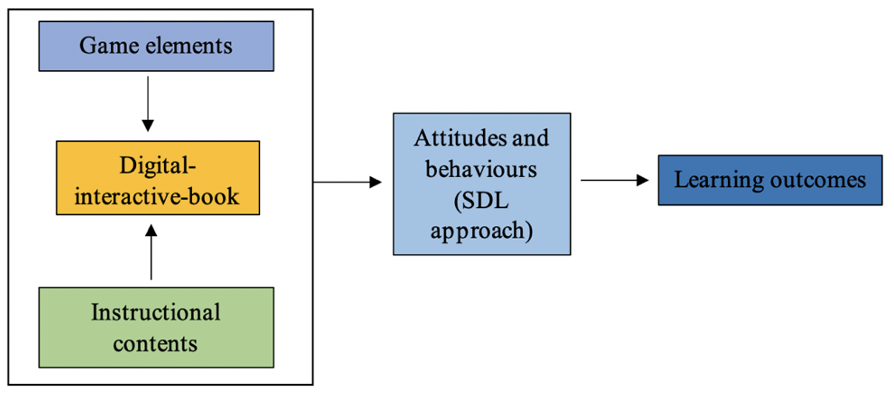
Figure 1: Adaptation of Landers’ Theory of Gamified Learning (Landers, 2014)
Literature Review
The idea of game-based learning is associated with the concept of gamification, although the two are distinct from one another. Game-based learning is the process of using actual games to learn new skills or information, in contrast to gamification, which refers to the usage of components of game design in settings that are not related to gaming. For example, in a game where graduate students are required to perform medical procedures in a simulated environment, their skills are put to the test in the game corresponding to the learning task (Gee, 2013). Game-based learning is characterized by the fact that the skills that are tested in the game correspond to the learning task (Ardi & Rianita, 2022; Kapp, 2012).
In some circumstances, like the multiple-choice quiz app utilized in the previous study, the distinction between gamified and game-based learning can be blurred (Kapp, 2012). Cheong et al. (2013) argue gamification can range from serious games to routine tasks with game aspects included. A gamified multiple-choice quiz app is in the focus of development where an activity of memorizing information is converted into a game by quizzing them. The quiz structure lacks progression, rewards, and competition. To add these aspects, the program uses avatars, experience points, and badges. Accordingly, the app can be categorized as a gamified multiple-choice quiz more attractive rather than a basic instructional game used.
Recently, gamification has been used more and more in classrooms to help students learn to be effective, be engaged in their studies, be motivated to learn, and increase the scope and depth of their subject expertise (Lo & Hew, 2020). Buckley and Doyle (2016), for instance, used gamification as a teaching tool while also taking into account students’ unique preferences and approaches to learning. All aspects of students’ development and performance (participation, attitude, and output) were positively impacted. However, there are other studies that have looked at the drawbacks of using gaming techniques in the classroom. The gamification learning strategy was implemented by de-Marcos et al. (2014) in an undergraduate course, but the results showed that it did not seem significantly improve students’ information retention or application.
While gamification and competitive techniques have been shown to increase students’ interest in learning, studies have also shown that students benefit most when teachers assist them in making connections between what they have learned and their real-world experiences (Mekler et al., 2013). After introducing gamification, more learning design considerations should be made by referencing pedagogical theories in order to increase students’ motivation to study. One such motivating theory is SDL, which highlights the significance of motivation in shaping one’s identity and controlling one's actions (Shi & Cristea, 2016). It stresses the significance of doing something because of its inherent qualities, such as the action being intriguing and pleasant. In other words, SDL has more to do with the internal drives that guide individuals’ decisions than with any kind of external influence.
All of the previous related studies illustrate the benefits of gamification in the classroom. The interactive gamification e-book tool is a relatively new classroom interactive carrier that combines traditional book graphics with interactive computer technology (Smeets & Bus, 2012). It can effectively promote the integration of multimedia elements like images, audio, and animations (Smeets & Bus, 2015), thereby improving the learning environment for gamification. Because students can access digital learning content through e-books at any time and from any location, and because e-books can provide students with the opportunity to interact with the learning content, such as by clicking on the topics provided, this technology may be useful for students who do not perform well when using traditional textbooks (Jou et al., 2016; Maynard, 2010). Therefore, the current research presented a gamification environment based on gamified interactive e-books. It was hoped that by enhancing students’ interest and performance prior to class, the proposed method would lead to more active participation and better outcomes during class.
Method
The present study employed a pre-experimental research design, enabling the researchers to conduct a thorough investigation of the research question and draw meaningful conclusions that can contribute to the broader understanding of the topic. To evaluate the effectiveness of using digital-interactive-book gamification-based instruction to enhance the academic performance of the students who learn at their own pace, a pre-experimental design was employed. The study focused on the impact of this approach on General English (GE) course for these learners at STKIP PGRI Sidoarjo, Indonesia. This digital-interactive-book as a media in learning process was integrated to a Moodle-based LMS called eLSIDA (http://lms.elsida.ac.id). There was only one group of students in this experiment; this group was treated by implementing of flip classroom using eLSIDA.
Participants
One class with a total of forty students chosen with purposive sampling took part in the experiment. These students were in the third semester of the Department of History Education Study Program during the academic year 2021/2022. All the students came into the class with the same academic background and had not studied General English (GE). All participants were informed that they were free to withdraw from the study at any time they wanted, and that they could make the decision regarding whether or not to take part in this research. In this experiment, this was only group who used the digital-interactive-book gamification-based instruction in the General English Flipped[1] (GEF) classroom.
This current study was conducted with careful consideration of ethical issues. Informed consent was obtained from participants, and measures were taken to ensure privacy and confidentiality. The study was designed to promote fairness and equity, and researchers strived to maximize potential benefits while minimizing potential harms. The dignity and autonomy of participants were respected throughout the research process.
Instruments
In this research project, the pre-test, the post-test, and the interview questions served as the tools of measurement. The two English lecturers were responsible for developing the pre-test and post-test. The purpose of this test was to determine whether the different groups of students had comparable prior understanding of the topics that were covered in their GE course. There were 40 items, all of which were multiple-choice questions (MCQs), and the maximum possible score was 100. The MCQs post-test also had a total of forty questions, and the maximum score was 100. Cronbach’s alpha values were 0.88 (pre-test), and 0.90 (post-test), indicating an adequate level of internal consistency.
The researchers prepared a four-question interview to evaluate students’ perspectives. The measurement generated as a basis for the interview was comprised of those four questions which were prepared in advance. The questions were designed to evaluate the students’ perspectives on the digital-interactive-book gamification-based instruction learning (They are: “What is the difference between this gamified interactive digital-interactive-book gamification-based instruction learning and other classes that you have attended in the past? Is it helpful to your study to use this method? Are you able to explain the reasons? In general, what are some of the benefits of using this approach to learning? What type of assistance did you obtain with the implementation of this method?”) To acquire a comprehensive understanding of how the e-book as an intervention affected students, four students were invited to participate in the interview to demonstrate their thoughts and feelings in the appropriate learning environment. The purpose of this was to gain a better understanding of how the intervention affected students’ academic learning outcomes.
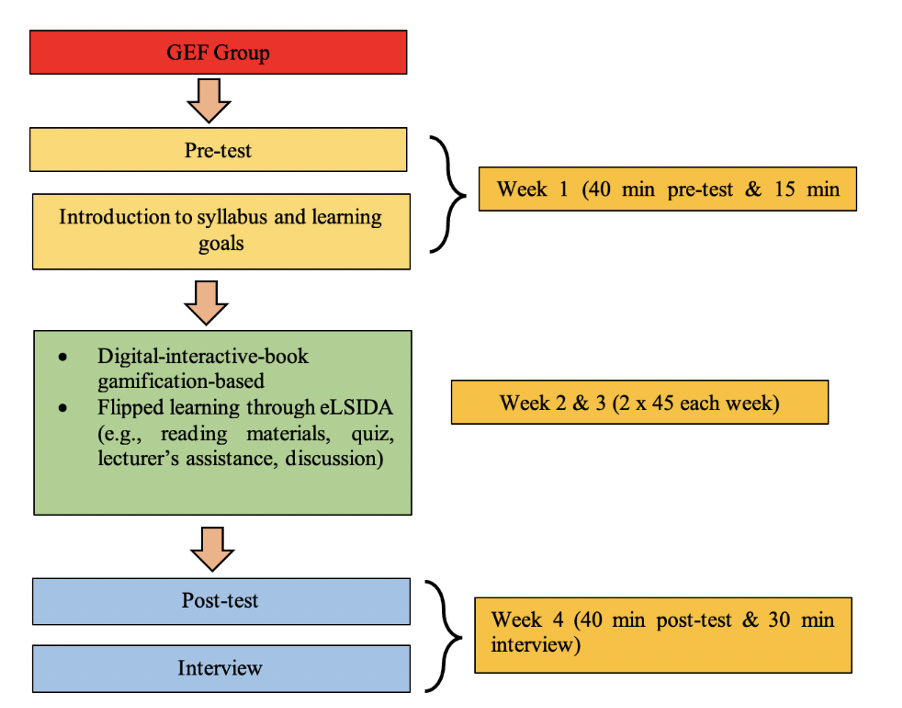
Figure 2: Research procedure
The steps involved in the experiment are represented in Figure 2. Before beginning the learning activities, each student completed the pre-test of general education course learning performance, which lasted for forty-five minutes. Following that, for the next 15 minutes, the lecturer went through the course outline and the learning goals. After that, during the second and third weeks, the students began participating in the learning activities, and various strategies for integrated learning were implemented. The gamified interactive e-book was utilized as a teaching aid in the GE flipped classroom by the GEF class. This was accomplished with the assistance of eLSIDA. The students in this group were tasked with completing the GE materials using gamification that was based on digital interactive books. It was intended that during the in-class stage of the problem-based learning process, they would solve the gamification-quizzes by studying the interactive e-book that contained the GE materials, and they would have peer discussions about the quizzes with their classmates. As can be seen in Table 1, certain aspects of gameplay were specifically chosen to be featured in this interactive e-book in order to build a gamified setting.

Table 1: Game elements in the digital interactive book
Results and Discussion
In this section, the responses to the research question are discussed considering the findings that were collected from the implementation of the digital-interactive-book gamification-based instruction through a Moodle-based LMS namely eLSIDA. This pre-experiment design was done completely in order to answer the formulated question regarding the effectiveness of the digital-interactive-book gamification-based instruction applied to the 40 students at STKIP PGRI Sidoarjo, Indonesia. A pre-test was administered by the lecturer to each of the individuals before the beginning of the experiment. After that, eLSIDA, which is a Moodle-based learning management system, was used to instruct the treatment group (the experimental group), and the group was given the achievement test (post-test) once more at the end of the study, after which there was scoring done by the lecturer. During the data analysis, the researchers produced both descriptive and inferential statistics with the use of the SPSS Statistics 26 software. The descriptive analysis method was used during both the pre-test and post-test phases to calculate the values of the mean, standard deviation, minimum, and maximum scores. Information obtained from the descriptive statistical analysis that was carried out is presented in Table 2.

Table 2: Descriptive analysis results of tests
Table 2 shows that the mean score on the post-test was higher than the mean score on the pre-test. The mean score on the pre-test was 63.85, while the mean score on the post-test was 74.48. This indicates that there was a significant improvement. According to the findings, there was a statistically significant difference between the group mean before the treatment and the group mean after the treatment was completed. Specifically, the mean score on the post-test was higher than that of the pre-test, indicating that the treatment had a positive effect on the academic learning outcomes of the students. In addition to this, the standard deviation (SD) for the post-test was 6.495, whereas the SD for the pre-test was 6.587. (Table 2). The inferential test, also known as the pair sample test, can be carried out if it has been shown that the data follow a normal distribution, as was discussed earlier. Because there was only one group included in the sample, carrying out a test to determine whether or not it was homogenous was unnecessary. The Kolmogorov-Smirnov test was also utilized in order to examine the normality of the data. The findings of the Kolmogoroz-Smirnov test are presented in Table 3.
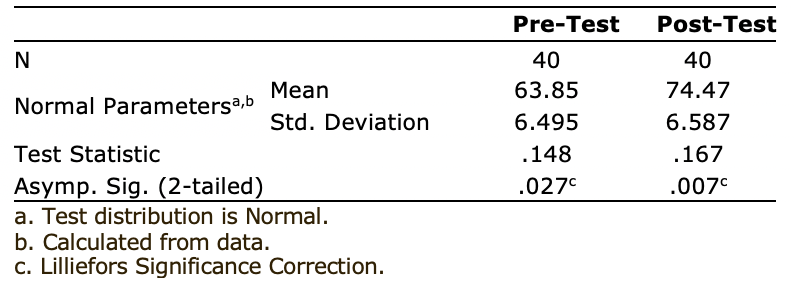
Table 3: One-sample Kolmogorov-Smirnov test
As shown in Table 3, the Sig. value for the pre-test was .027, and the Sig. value for the post-test was .007. The critical significance level (α) for hypothesis testing was set at .05. A significance level of .05 indicates a 5% chance of obtaining the observed results by chance, and it is commonly used in statistical testing to establish the level of confidence in the results. In this study, the Sig. value for the post-test was lower than the critical significance level, indicating that there was a significant difference between the pre-test and post-test scores. Additionally, the normality assumption was met for both the pre-test and post-test data, as the Sig. value was higher than .05. Therefore, a paired sample t-test was performed to compare the means of the pre-test and post-test scores. The results of the paired sample t-test showed a significant difference between the pre-test and post-test means, suggesting that the digital-interactive-book gamification had a positive effect on the academic learning outcomes of the students.
Considering the fact that the necessary condition for testing the hypothesis had been met in this particular case, inferential analysis was carried out by means of a test based on a pair of samples. To assess whether or not the digital-interactive-book gamification-based instruction strategy had a statistically significant impact on the academic achievement of the students, a procedure of t-test for testing hypotheses was carried out. The results of the experiment are presented in Table 4.
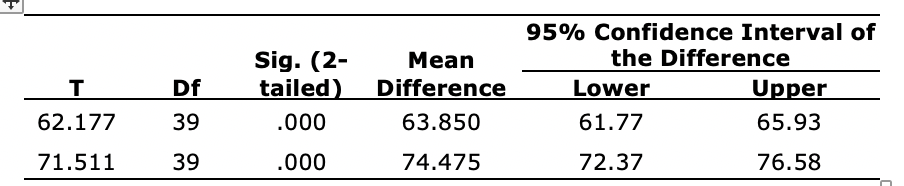
Table 4: One-Sample Test
According to Table 4, the level of significance (Sig. (2-tailed)) was .000, which was lower than .05. It was discovered that the alternative hypothesis (Ha), which stated that “There is significant in mean gain score of the slow learners onthe implementation of the digital-interactive-book gamification-based instruction toward the students’ academiclearning outcomes”, was “accepted”, while the null hypothesis (Ho), which stated that “There is no significant in meangain score of the slow learners on the implementation of the digital-interactive-book gamification-based instruction toward the students’ academic learning outcomes”, was “rejected”. The results of this study indicate that the use of digital-interactive-book gamification-based instruction led to improved academic learning outcomes for the students. Specifically, the findings showed that the students’ achievements significantly improved following the treatment, suggesting that the digital-interactive-book gamification approach was effective in enhancing the students' understanding of the whole number topics covered in the GE course.
The results of interviews conducted demonstrated the positive attitudes toward the implementation of the digital-interactive-book gamification-based instruction through eLSIDA. First, S4GEF (Student 4 of the GEF class commented in reference to the enhancement of learning activities,
I appreciate the magic classroom of e-books via eLSIDA. I was able to solve problems that I couldn’t handle by going back to the charm and learning it again. This allowed me to have a better grasp of how to tackle problems when I met them in the future.
S2GEF remarked,
I’ve always had the impression that learning English was a challenging task. And I was too embarrassed to ask my lecturer questions if I was having trouble understanding the material being covered in class. The quizzes were challenging as well. This time, though, I viewed the video while I was at home, and eLSIDA had a digital book. Because I had the information reinforced twice, I believed that it gave me a deeper understanding.
Following that, S1GEF shared that she found it helpful to discuss the course material with the other students in her class:
Because my classmates and I were free to approach my friends for clarification whenever we were stuck, I was able to absorb far more information from the course.
After that, S3GEF said,
I already knew what I would learn before taking the class, so IA could finish many questions during the in-class learning.
This allowed her to feel less anxious than she had in the past when she was in similar situations.
In conclusion, in terms of the statements that students made about their learning performance, most students believed that the digital-interactive book was useful for the learning that took place in class. The most significant change was that students could read the e-books again in class to reinforce what they had learned, and they could also search for similar learning content in the e-books to get some extra help if they needed it.
In terms of the enhancement of the desire to study, S2GEF mentioned that she believed the most significant change was that the instructor did not strictly regulate her and that the ambiance in the classroom was very laid back:
I had the ability to read, study, and pursue my interests all by myself. In contrast to the typical English textbooks, the e-book included some engaging stories throughout its content.
Then, S1GEF mentioned that she desired to participate in this game for a couple more times:
[…] even if I make a mistake, I have the opportunity to begin the process all over again and earn additional points and badges.
According to the frequency statistics, the students in the GEF class showed a higher level of interest and a more powerful sense of drive in their educational pursuits. Regarding the level of acceptance, S4GEF commented,
I had never used e-books in class before, and I didn't know that math books can be so much fun. I wish I could give it another shot.
It is assumed that in contrast to learning in conventional classes, she favoured acquiring knowledge in this manner.
Lastly, S3GEF expressed her wish that General English courses could continue to be presented in this manner in the future.
Related to the findings shown above, we can reach the following conclusion: The digital-interactive-book gamification-based instruction through eLSIDA offered students benefits for learning activities.
The findings of the General English (GE) learning performance tests revealed that students in the GEF class made great progress in the course. The current findings corroborated the findings of Hew et al. (2016) and Lo and Hew (2020), who reported that, in comparison to conventional teaching methods, the gamified flipped learning approach could significantly improve students’ academic performance. They said that this could be accomplished by increasing students’ learning engagement and giving them more chances to collaborate with their classmates. In addition, the students in the GEF group demonstrated a high level of academic achievement. It is important to note that the students in this group also had better academic performance, which indicates that the use of a digital book delivered through eLSIDA could potentially stimulate more learning than the traditional instructional approach they had received in the past. These results were consistent with those of previous studies (Jou et al., 2016; Zhao et al., 2021).
According to the findings, the gamification activities that were carried out were collaborative activities, social networking sites, classroom activities (for example, activities that are engaging and captivating, elements of competition, and actions that are performed independently), and associated with short-term activities. The activities were performed during the first implementation since they were considered essential in creating the game atmosphere. To maintain a sense of learning while also having fun during the implementation, gamification aspects had to be incorporated into the activities of the lessons, with the primary focus being on maintaining motivation and having fun. It was found that including social games in the various topics of the lessons fostered an atmosphere of collaboration (Fiş Erümit & Karakuş Yılmaz, 2022; Leonardou et al., 2022). The interactions among the students facilitated the students’ learning from each other (Felszeghy et al., 2019; Vesin et al., 2018). In addition, a sense of play was createdwithin the educational setting through the utilization of social games, platforms for social networking, and activities both within and outside of the classroom (Huang et al., 2020; Landers, 2014).
During the gamification activities, the status of the students was communicated in the digital environment and classroom. Additionally, the awards they gained, such as trophies and badges, were shared, and the game atmosphere was reinforced owing to the competitive nature of the students. A sense of play was fostered as a result of the well-balanced cycles of difficulty and reward activities which contributed to participants’ feelings of motivation and flow (Karagiorgas & Niemann, 2017). Students were driven to participate enthusiastically in the activity by the social learning environment that was provided. In addition, students were encouraged to actively participate in a social learning environment when they worked on fun activities in groups while participating in the social learning environment. It is possible to draw the conclusion that learning could be supported in gamification contexts that encourage social engagement, stimulate intrinsic drive, and produce a flow state. In contrast to situations where students are merely passive recipients of knowledge, this approach emphasizes their active role in the learning process. (Lin-Siegler et al., 2016).
In this investigation, the GEF learning model allowed for greater student autonomy, which in turn piqued their interest and increased their level of participation and involvement throughout the entire process of learning by utilizing a variety of different settings, including the story background and peer discussion. This motivated students to do the educational activities out of their own free will, rather than because the instructor required them to do so (Buckley & Doyle, 2016; de-Marcos et al., 2014; Karagiorgas & Niemann, 2017). It then should be the responsibility of teachers to make sure that their pupils have access to the resources and feedback that will help them feel successful and confident in their abilities. As an alternative to norm-based evaluation, for instance, more pertinent information may be provided to students in order to assist them in comprehending how to master the learning activities (Cheong et al., 2013; Ge, 2018; Gee, 2013; Shi & Cristea, 2016). Based on the findings of the current research it is argued students could learn about GE concepts by reviewing the e-book via eLSIDA, which could make up for the inadequacies of the pre-class learning in the flipped classroom. This was because there was a great deal of knowledge pertaining to GE materials, starting from the basic understanding of part-whole. Additionally, it had the capability of assisting students if they were unable to overcome difficulties when engaging in learning challenges in the classroom.
Discussion in a GE course refers to the process in which students talk about the components, skills, or techniques they used in the game. When a player tries to teach others what they already know about the game, they open themselves up to new opportunities for learning (García-Marquez & Bauer, 2021; Landers, 2014; Zhao et al., 2021). As a result of participating in the discussion, the students should have a deeper comprehension of their points of view. They would be able to gain more confidence in their ability to solve mathematical issues if they did it this way. The current research did include a few caveats and restrictions. To begin, the researchers in this study did not investigate the behavioural patterns of students while they were engaged in the learning process. This would have been beneficial to the in-depth assessment of the efficiency of various learning methodologies. Second, it is recommended that long-term and large-scale experiments be carried out based on this study. These experiments should also be supplemented by additional learning strategies, such as investigating which learning strategies can enhance students' meta-cognition tendency in an environment that is gamified for learning.
Conclusion
We now have some clear information about the overall effects of gamification on the learning outcomes of students and how the technique of gamification can lead to positive outcomes for learning activities. The limitation of our conceptual framework, which emphasized that well-designed instructional content must be utilized in combination with gamification, is something that should be highlighted here because it is important. It is not possible to use gamification as a substitute for ineffective instructional designs and inadequate study materials. This research has led to theconviction that combining gamification with other field breakthroughs (such as the flipped classroom or opportunities for learning analytics) could provide fruitful combinations to improve educational results that have not yet been explored in various spheres of expertise. In addition, the findings of this research could provide evidence that the effects of different gamification design components on the results of student learning are not always equal. This study offers a critical understanding of gamification and directs scholars as well as practitioners to other potentially productive paths of investigation. We hope that the potential of gamification can continue advancing as a common aim of increasing educational results for all students.
Acknowledgement
We would like to acknowledge the generous funding provided by the Direktorat Pembelajaran dan Kemahasiswaan, Direktorat Jenderal Pendidikan Tinggi, Kementerian Pendidikan, Kebudayaan, Riset dan Teknologi Tahun 2022.
References
Argudo-Serrano, J., Fajardo-Dack, T., Abad-Célleri, M., & Cabrera-Tenecela, P. (2023). Factors affecting students’ motivation and engagement in EFL online classes during the COVID-19 pandemic. MEXTESOL Journal, 47(4). https://doi.org/10.61871/mj.v47n4-6
Ardi, P., & Rianita, E. (2022). Leveraging gamification into EFL grammar class to boost student engagement. The Journal of Teaching English with Technology, 22(2), 90-114.
Baxter, R. J., Holderness Jr., D. K., & Wood, D. A. (2016). Applying basic gamification techniques to IT compliance training: Evidence from the lab and field. Journal of Information Systems, 30(3), 119-133. https://doi.org/10.2308/isys-51341
Beckers, J., Dolmans, D. H. J. M., & van Merriënboer, J. J. G. (2019). PERFLECT: Design and evaluation of an electronic development portfolio aimed at supporting self-directed learning. TechTrends, 63(4), 420–427.https://doi.org/10.1007/s11528-018-0354-x
Bolhuis, S. (2003). Towards process-oriented teaching for self-directed lifelong learning: A multidimensional perspective. Learning and Instruction, 13(3), 327–347. https://doi.org/10.1016/S0959-4752(02)00008-7
Buckley, P., & Doyle, E. (2016). Gamification and student motivation. Interactive Learning Environments, 24(6), 1162–1175. https://doi.org/10.1080/10494820.2014.964263
Cheong, C., Cheong, F., & Filippou, J. (2013). Quick quiz: A gamified approach for enhancing learning. In J.-N. Lee, J.-Y. Mao, & J. Thong (Eds.). PACIS 2013 Proceedings. 206. https://aisel.aisnet.org/pacis2013/206
Connolly, T. M., Boyle, E. A., MacArthur, E., Hainey, T., & Boyle, J. M. (2012). A systematic literature review of empirical evidence on computer games and serious games. Computers & Education, 59(2), 661–686. https://doi.org/10.1016/j.compedu.2012.03.004
Corbalan, G., Kester, L., & van Merriënboer, J. J. G. (2009). Combining shared control with variability over surface features: Effects on transfer test performance and task involvement. Computers in Human Behavior, 25(2), 290–298. https://doi.org/10.1016/j.chb.2008.12.009
de-Marcos, L., Domínguez, A., Saenz-de-Navarrete, J., & Pagés, C. (2014). An empirical study comparing gamification and social networking on e-learning. Computers & Education, 75, 82–91. https://doi.org/10.1016/j.compedu.2014.01.012
Dunlosky, J., Rawson, K. A., Marsh, E. J., Nathan, M. J., & Willingham, D. T. (2013). Improving students’ learning with effective learning techniques: Promising directives from cognitive and educational psychology. Psychological Science in the Public Interest, 14(1), 4–58. https://doi.org/10.1177/1529100612453266
Felszeghy, S., Pasonen-Seppänen, S., Koskela, A., Nieminen, P., Härkönen, K., Paldanius, K. M. A., Gabbouj, S., Ketola, K., Hiltunen, M., Lundin, M., Haapaniemi, T., Sointu, E., Bauman, E. B., Gilbert, G. E., Morton, D., & Mahonen, A. (2019). Using online game-based platforms to improve student performance and engagement in histology teaching. BMC Medical Education, 19. https://doi.org/10.1186/s12909-019-1701-0
Fiş Erümit, S., & Karakuş Yılmaz, T. (2022). Gamification design in education: What might give a sense of play and learning?Technology, Knowledge and Learning. https://doi.org/10.1007/s10758-022-09604-y
García-Marquez, C., & Bauer, K. N. (2021). An examination and extension of the theory of gamified learning: The moderating role of goal orientation. Simulation and Gaming, 52(4), 407–434. https://doi.org/10.1177/1046878120958741
Ge, Z.-G. (2018). The impact of a forfeit-or-prize gamified teaching on e-learners’ learning performance. Computers & Education, 126, 143–152. https://doi.org/10.1016/j.compedu.2018.07.009
Gee, J. P. (2013). Games for learning. Educational Horizons, 91(4), 16–20. https://doi.org/10.1177/0013175X1309100406
Heidt, C. T., Arbuthnott, K. D., & Price, H. L. (2016). The effects of distributed learning on enhanced cognitive interview training. Psychiatry, Psychology and Law, 23(1), 47–61. https://doi.org/10.1080/13218719.2015.1032950
Hew, K. F., Huang, B., Chu, K. W. S., & Chiu, D. K. W. (2016). Engaging Asian students through game mechanics: Findings from two experiment studies. Computers & Education, 92–93, 221–236. https://doi.org/10.1016/j.compedu.2015.10.010
Huang, R., Ritzhaupt, A. D., Sommer, M., Zhu, J., Stephen, A., Valle, N., Hampton, J., & Li, J. (2020). The impact of gamification in educational settings on student learning outcomes: A meta-analysis. Educational Technology Research and Development, 68(4), 1875–1901. https://doi.org/10.1007/s11423-020-09807-z
Hwang, G.-J., Lai, C.-L., & Wang, S.-Y. (2015). Seamless flipped learning: A mobile technology-enhanced flipped classroom with effective learning strategies. Journal of Computers in Education, 2(4), 449–473. https://doi.org/10.1007/s40692-015-0043-0
Jo, J., Yu, W., Koh, K. H., & Lim, H. (2018). Development of a game-based learning judgment system for online education environments based on video lecture: Minimum learning judgment system. Journal of Educational Computing Research, 56(6), 802–825. https://doi.org/10.1177/0735633117734122
Jou, M., Tennyson, R. D., Wang, J., & Huang, S.-Y. (2016). A study on the usability of E-books and APP in engineering courses: A case study on mechanical drawing. Computers & Education, 92–93, 181–193. https://doi.org/10.1016/j.compedu.2015.10.004
Kapp, K. M. (2012). The gamification of learning and instruction. Game-based methods and strategies for training and education. Pfeiffer.
Karagiorgas, D. N., & Niemann, S. (2017). Gamification and game-based learning. Journal of Educational Technology Systems, 45(4), 499–519. https://doi.org/10.1177/0047239516665105
Kicken, W., Brand‐Gruwel, S., & van Merriënboer, J. J. G. (2008). Scaffolding advice on task selection: A safe path toward self‐directed learning in on‐demand education. Journal of Vocational Education & Training, 60(3), 223–239. https://doi.org/10.1080/13636820802305561
Kuo, F.-R., Hwang, G.-J., & Lee, C.-C. (2012). A hybrid approach to promoting students’ web-based problem-solving competence and learning attitude. Computers & Education, 58(1), 351–364. https://doi.org/10.1016/j.compedu.2011.09.020
Landers, R. N. (2014). Developing a theory of gamified learning: Linking serious games and gamification of learning. Simulation and Gaming, 45(6), 752–768. https://doi.org/10.1177/1046878114563660
Leonardou, A., Rigou, M., Panagiotarou, A., & Garofalakis, J. (2022). Effect of OSLM features and gamification motivators on motivation in DGBL: Pupils’ viewpoint. Smart Learning Environments, 9. https://doi.org/10.1186/s40561-022-00195-w
Lin-Siegler, X., Dweck, C. S., & Cohen, G. L. (2016). Instructional interventions that motivate classroom learning. Journal of Educational Psychology, 108(3), 295–299. https://doi.org/10.1037/edu0000124
Lo, C. K., & Hew, K. F. (2020). A comparison of flipped learning with gamification, traditional learning, and online independent study: The effects on students’ mathematics achievement and cognitive engagement. Interactive Learning Environments, 28(4), 464–481. https://doi.org/10.1080/10494820.2018.1541910
Mejeh, M., & Rehm, M. (2024). Taking adaptive learning in educational settings to the next level: Leveraging natural language processing for improved personalization. Educational technology research and development, 72, 1597-1621. https://doi.org/10.1007/s11423-024-10345-1
Mekler, E. D., Brühlmann, F., Opwis, K., & Tuch, A. N. (2013). Disassembling gamification: The effects of points and meaning on user motivation and performance. In W. E. Mackay, S. Brewster, & S. Bødker (Eds.). CHI EA ’13: CHI’13 Extended Abstracts on Human Factors in Computing Systems, 1137-1142. https://doi.org/10.1145/2468356.2468559
Nah, F. F.-H., Zeng, Q., Telaprolu, V. R., Ayyappa, A. P., & Eschenbrenner, B. (2014). Gamification of education: A review of literature. In F. F.-H. Nah (Ed.). HCI in Business: HCIB 2014: Lecture Notes in Computer Science (pp. 401–409). Springer. https://doi.org/10.1007/978-3-319-07293-7_39
Rohrer, D. (2015). Student instruction should be distributed over long time periods. Educational Psychology Review, 27(4), 635–643. https://doi.org/10.1007/s10648-015-9332-4
Romsi, A., Widodo, J. P., & Slamet, J. (2024). Empowering slow learners: Gamification’s impact on students’ engagement and academic performance in an LMS for undergraduate students. International Journal of Information and Education Technology, 14(2), 193–203. https://doi.org/10.18178/ijiet.2024.14.2.2040
Shi, L., & Cristea, A. I. (2016). Motivational gamification strategies rooted in self-determination theory for social adaptive e-learning. In A. Micarelli, J. Stamper, K. Panourgia (Eds.). Intelligent Tutoring Systems (ITS 2016): Lecture Notes in Computer Science (pp. 294–300). https://doi.org/10.1007/978-3-319-39583-8_32
Slamet, J., & Basthomi, Y. (2024). Assessing gamification-based LMS for EFL students: A self-directed learning framework. Studies in Linguistics, Culture, and FLT, 12(2), 100–122. https://doi.org/10.46687/CVHT3942.%20
Slamet, J., Basthomi, Y., Ivone, F. M., & Eliyanah, E. (2024a). Unlocking the potential in a gamification-based MOOC: Assessing autonomous learning and self-directed learning behaviors. Teaching and Learning Inquiry, 12. https://doi.org/10.20343/teachlearninqu.12.19
Slamet, J., Basthomi, Y., Ivone, F. M., & Eliyanah, E. (2024b). Utilizing an SDL approach in designing a gamification-based MOOC to enhance autonomous learning. Journal of Information Technology Education: Research, 23. https://doi.org/10.28945/5278
Slamet, J., Basthomi, Y., Ivone, F. M., & Eliyanah, E. (2025). Promoting autonomous learning in ESP courses through a gamified MOOC platform: A self-directed learning framework. Journal of Educators Online, 22(2).https://doi.org/10.9743/JEO.2025.22.2.7
Sotos-Martínez, V. J., Tortosa-Martínez, J., Baena-Morales, S., & Ferriz-Valero, A. (2024). It’s game time: Improving basic psychological needs and promoting positive behaviours through gamification in physical education. European Physical Education Review, 30(3), 435-457. https://doi.org/10.1177/1356336X231217404
Smeets, D. J. H., & Bus, A. G. (2012). Interactive electronic storybooks for kindergartners to promote vocabulary growth. Journal of Experimental Child Psychology, 112(1), 36–55. https://doi.org/10.1016/j.jecp.2011.12.003
Smeets, D. J. H., & Bus, A. G. (2015). The interactive animated e-book as a word learning device for kindergartners. Applied Psycholinguistics, 36(4), 899–920. https://doi.org/10.1017/S0142716413000556
Thomas, N. J., Baral, R., Crocco, O. S., & Mohanan, S. (2023). A framework for gamification in the metaverse era: How designers envision gameful experience. Technological Forecasting and Social Change, 193. https://doi.org/10.1016/j.techfore.2023.122544
Vesin, B., Mangaroska, K., & Giannakos, M. (2018). Learning in smart environments: User-centered design and analytics of an adaptive learning system. Smart Learning Environments, 5. https://doi.org/10.1186/s40561-018-0071-0
Viberg, O., Andersson, A., & Wiklund, M. (2021). Designing for sustainable mobile learning–Re-evaluating the concepts “formal” and “informal.” Interactive Learning Environments, 29(1), 130–141. https://doi.org/10.1080/10494820.2018.1548488
Wiggins, B. E. (2016). An overview and study on the use of games, simulations, and gamification in higher education. International Journal of Game-Based Learning, 6(1), 18–29. https://doi.org/10.4018/IJGBL.2016010102
Zhao, J., Hwang, G.-J., Chang, S.-C., Yang, Q.-fan, & Nokkaew, A. (2021). Effects of gamified interactive e-books on students’ flipped learning performance, motivation, and meta-cognition tendency in a mathematics course. Educational Technology Research and Development, 69(6), 3255–3280. https://doi.org/10.1007/s11423-021-10053-0
[1] Flipped learning is an instructional approach where students explore core content independently before class, typically through videos or digital materials. Classroom sessions then focus on guided practice and interactive activities. In this study, flipped learning was implemented using a gamified digital-interactive book to enhance engagement and support self-paced learning in the General English Flipped (GEF) classroom.