
Introduction
Improving students’ writing accuracy has always been a challenge for teachers (Al Harrasi, 2019). Coded corrective feedback (CCF) is one of the written corrective feedback methods that also aims to solve students’ poor writing quality (Saukah et al., 2017). Most of the studies (Muth’im & Latief, 2014; Suh, 2014; Lee & Sim, 2019; Ekinci & Ekinci, 2020) were conducted to determine the short-term effects of the independent variable, CCF and the findings were controversial because it was found that CCF has different impacts on different dependent variables such as overall writing performance, grammar accuracy and syntactic accuracy. Furthermore, a few studies (Ahmadi-Azad, 2014; Doi et al., 2021; Sherpa, 2021) were conducted to determine the long-term or retention effects of CCF and these uncovered mixed results as their imposed time gaps after the exposure to the intervention were different. Additionally, recent studies have also attempted to study the effects of synthesized CCF and they found controversial findings (Mujtaba et al., 2020, Ogawa, 2021; Tang & Liu, 2018) due to the difference of methods used in the analysis.
Although the study of CCF is increasing over the years, the inconsistent findings in the literature causes a lack of understanding which makes it difficult for researchers to come to meaningful conclusions. Furthermore, there is still no existing scoping review that is focused mainly on the field of CCF to date. Because of that, there is a need to provide a systematic overview on the effects of CCF in English writing. Therefore, this current scoping review article maps the existing literature by identifying the key findings and the research gaps of CCF from 2012 to 2022 so that it can serve as a direction for future research studies on CCF to better understand its effects.
Review of the Literature
Among the four skills (listening, speaking, reading and writing) in learning English, writing is a difficult skill to learn and master (Al Harrasi, 2019; Doi et al., 2021; Tawfeeq & Abbas, 2018), and it is an on-going problem for students learning the English language. Even many tertiary-level students are unsure of how to apply grammar rules in writing, and they continue making errors (Fitrawati & Safitri, 2021; Setiyorini et al., 2020). As a result, researchers in the education sectors have conducted countless research studies on pedagogical strategies that enhance the writing ability of students. Written corrective feedback is one of these pedagogical strategies.
Written corrective feedback (WCF) refers to the provision of any comments, questions or correction of errors given by the teacher in written form on students' written work (Agbayahoun, 2016). WCF has been formally researched since the 1980s, and the studies (e.g., Fathman & Whalley, 1990; Ferris, 1997; Lalande, 1982; Lee, 1997; Sheppard, 1992) generally found positive effects in increasing students’ accuracy in writing until Truscott (1996) published an article that reported controversial findings regarding the negative impacts of WCF. He argued that the practice of WCF should be halted. He also contended that there were studies (e.g., Kepner, 1991; Polio et al., 1998; Robb et al., 1986; Semke, 1984) that found little to no evidence that WCF would contribute to students’ writing performance. This has led to heated debates among WCF researchers and resulted in a surge of WCF studies since then. Many recent studies were comparisons between the effects of direct and indirect WCF (Alrubai’Ey & Nassaji, 2013; Amin & Saadatmanesh, 2018; Dabboub, 2019; Karim & Nassaji, 2020; Sadat et al., 2015; Salimi & Ahmadpour, 2015).
Direct WCF refers to teachers providing the correct linguistic form, and it is written on top of the linguistic error (Bitchener & Knoch, 2008; Ferris, 2003). Direct WCF also includes the insertion of necessary morphemes and words, as well as deleting unnecessary words (Gholaminia et al., 2014). Direct feedback has been found to be more advantageous especially to lower proficiency and beginner students as they need more explicit guidance to rectify their errors (Bitchener & Knoch, 2010; Ellis, 2009; Ferris & Roberts, 2001). On the other hand, indirect WCF is when the students’ errors are indicated by the teacher without showing them the right form. Then, the students have to identify and correct the errors by themselves (Ellis, 2008, 2009). The use of indirect feedback depends on indicating the location of errors without providing the correct linguistic form, and can be made more explicit by circling, underlining and coding errors (Bitchener & Knoch, 2008; Ferris, 1995). Thus, indirect feedback has been found to be more beneficial to higher proficiency students (Ferris, 2010; Van Beauningen et al., 2012) as it encourages students to engage in deeper cognitive processing that has long-term effects (Ferris & Roberts, 2001; Ji, 2015). However, it is a disadvantage to lower proficiency students because of their limited linguistic competence (Bitchener, 2012).
Since both direct and indirect feedback have their own pros and cons, researchers have begun seeking ways to balance the explicitness between both feedback methods and one of them is by using coded corrective feedback. Coded corrective feedback (CCF) refers to the use of codes by teachers to indicate the types of errors found in the text (e.g., WW for wrong word; Art for article errors) (Saukah et al., 2017). The explicit nature of CCF helps students identify the types of errors more easily (Rizkiani et al., 2019), providing clues for students to self-monitor their learning. Self-monitoring assists students in identifying their errors and problems in the writing process which could improve students’ writing performance (Estaji & Bikineh, 2022). Although studies of CCF started as early as the 1980s, the evidence produced was not compelling due to the absence of control groups (e.g., Lalande, 1982; Robb et al., 1986) and the small number of studies at that time. Since the debates about the relative effectiveness of direct and indirect feedback remained inconclusive, studies on the effects of CCF have caught the attention of WCF researchers (e.g., Ferdouse, 2012; Gholaminia et al., 2014; Salimi & Valizadeh, 2015) in recent years, especially since 2010.
CCF is still a rarely investigated branch of WCF (Salimi & Valizadeh, 2015). Furthermore, the use of CCF to support students’ writing also remains one of the rarest methods in the literature (Ekinci & Ekinci, 2020). Therefore, the purpose of this study is to discover the currently available studies and to determine the overall effects of CCF on students’ writing performance in these studies. This research is crucial for educators as they need to choose the most appropriate WCF (Ganapathy et al., 2020) in order to improve students' writing performance in terms of revising drafts and the production of new texts (Dabboub, 2019).
Research Method
The design for this scoping review adopted the criteria of the Preferred Reporting Items for Systematic Reviews and Meta-Analyses extension for Scoping Reviews, PRISMA-ScR. The Arksey and O’Malley’s (2005) methodological framework as shown in Figure 1 was employed for the purpose of this scoping review with the following steps: 1) identification of research questions, 2) identification of relevant studies, 3) selection of relevant studies, 4) charting of the data, 5) collocation, summarisation and the reporting of the results.
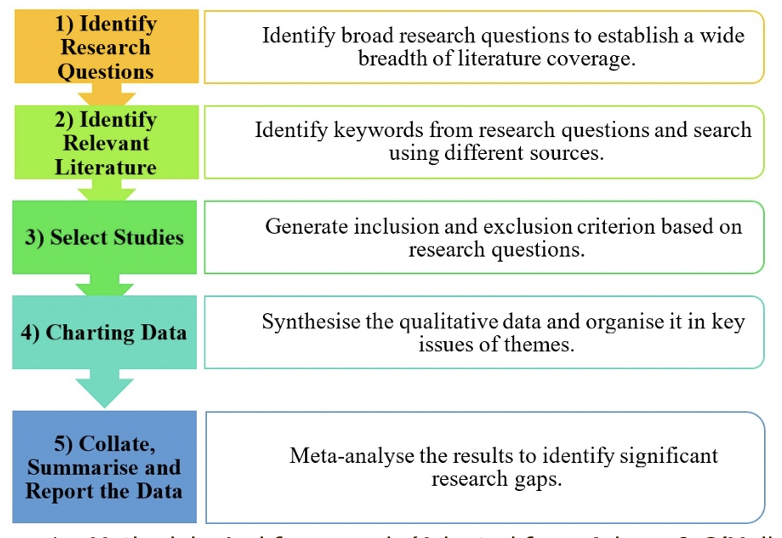
Figure 1: Methodological framework (Adapted from Arksey & O’Malley, 2005)
This scoping review was conducted to map the existing literature of CCF to inform practice and to determine the gaps in the research. Refer to Table 1 for the summary of the primary objectives and research questions in accordance with the Population-Concept-Context, PCC framework.
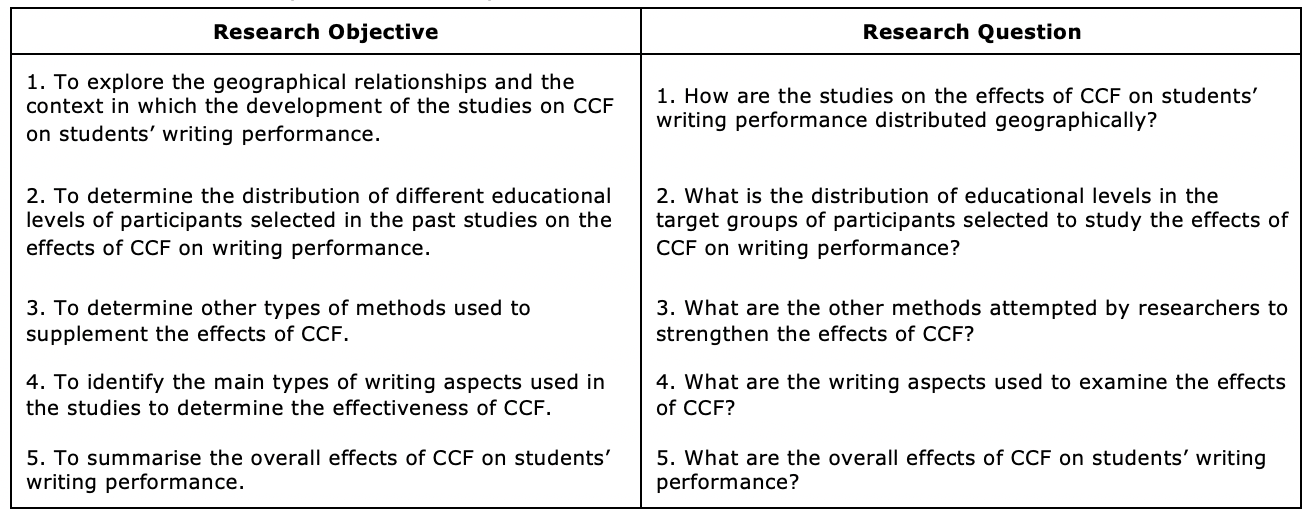
Table 1: Research questions derived according to the PCC framework.
The related studies were sourced from three databases (1. Google Scholar, 2. ERIC, 3. Scopus). The search was simplified by utilising relevant keywords and phrases, and Boolean operators as shown in Table 2.

Table 2: Keyword search string
The researcher instituted inclusion and exclusion criteria to simplify the search and exclusion of irrelevant studies. Duplicate entries were omitted and the remaining studies were examined for eligibility based on their titles and abstracts. Subsequently, the eligible studies were presented by using the Preferred Reporting Items for Systematic Reviews and Meta-Analyses (PRISMA) flow chart in accordance with the inclusion and exclusion criteria as shown in Table 3.
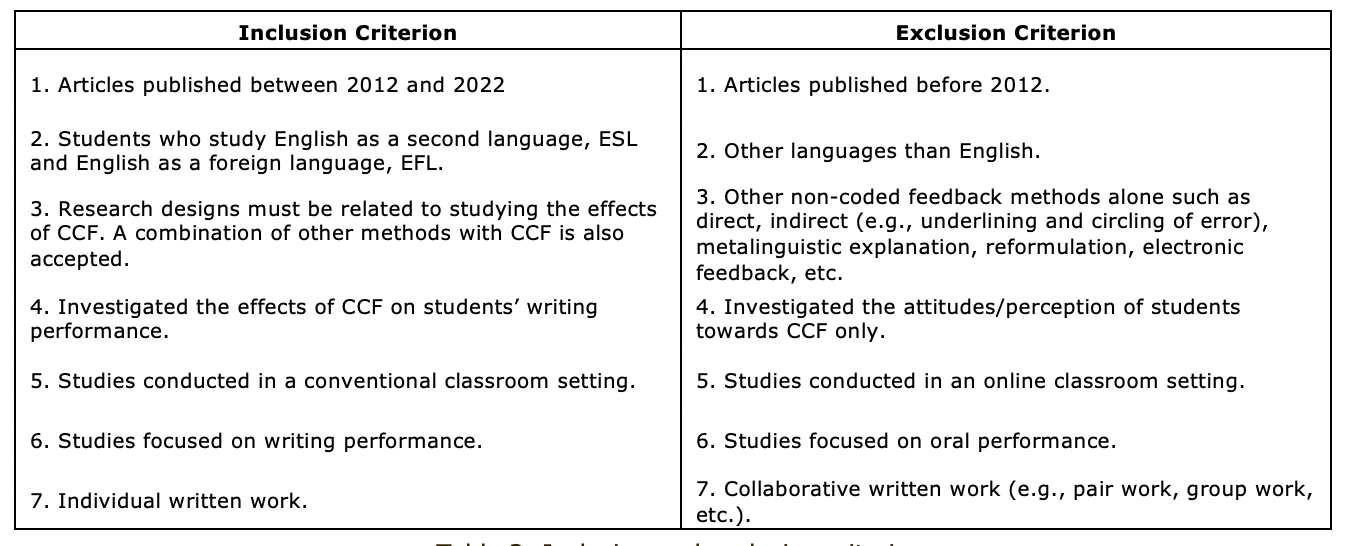
Table 3: Inclusion and exclusion criteria
After the relevant studies were sourced, a data mapping process was conducted by selecting the relevant articles for data extraction. Subsequently, the extracted findings were tabulated in a research matrix and analysed in accordance with the inclusion and exclusion criteria before being converted into a report to produce the scoping review.
Results and Discussion
The search results from three databases revealed a total of 161 citations. A total of 65 articles were sourced from the Google Scholar database, 76 articles from the Education Resource Information Center (ERIC) and 20 articles from Scopus.
As shown in Figure 2, five duplicate entries were discarded. The remaining 156 articles were screened by their titles and abstracts before removing 71 irrelevant articles. Next, 85 articles were thoroughly examined for eligibility. After the articles were assessed, 65 articles were discarded due to the fact they were (a) studies on the types of WCF practised by teachers, (b) review papers of WCF, (c) direct vs indirect WCF, (d) effects of WCF in different contexts and levels, (e) other forms of WCF (e.g., colour-coded, focused vs unfocused, recasts, dynamic, electronic feedback). The remaining 20 studies were selected for inclusion in this scoping review.
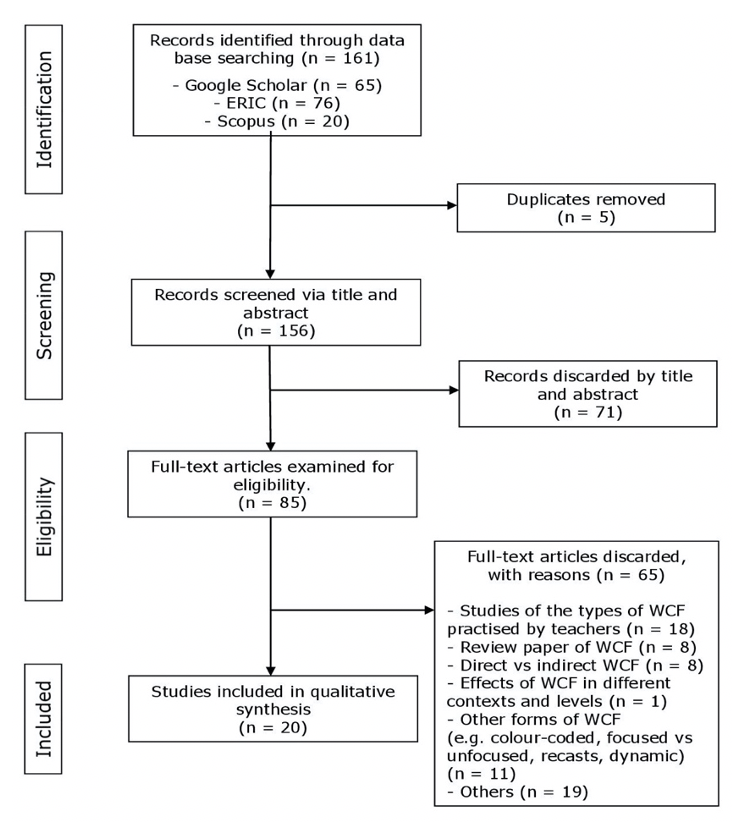
Figure 2: Scoping review flow diagram
Table 4 presents the papers reviewed for this study.
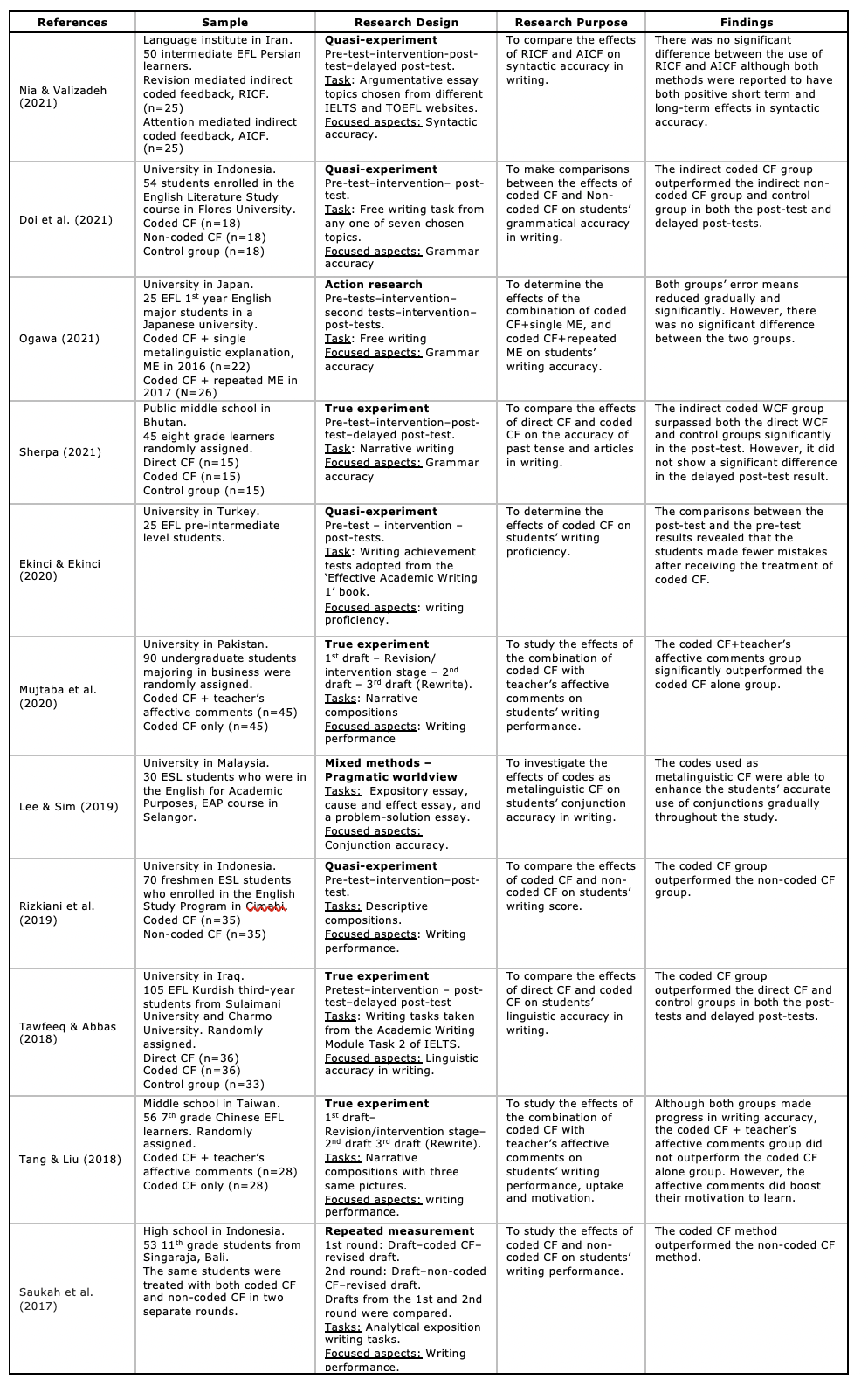
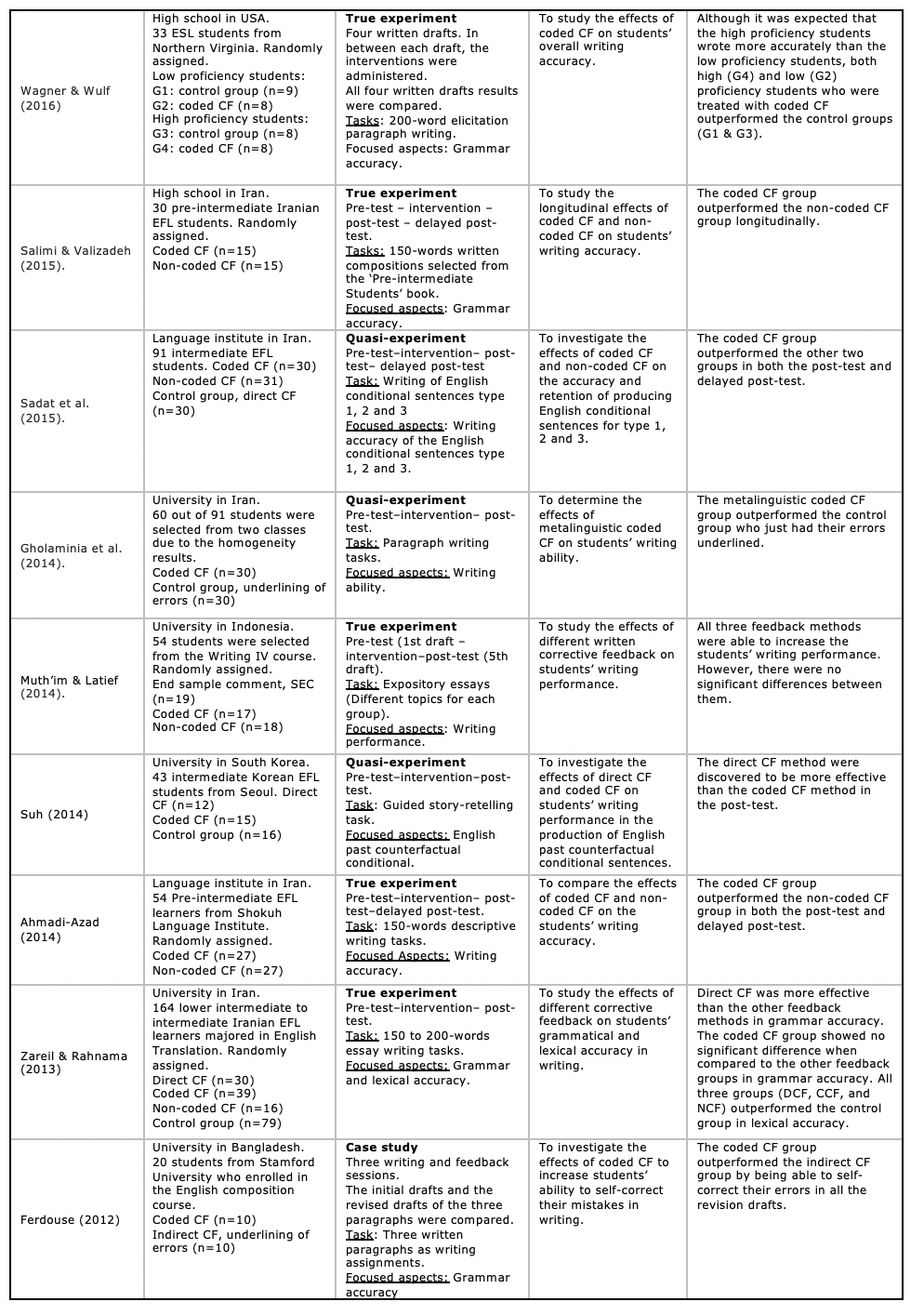
Table 4: Literature matrix of selected articles
Distribution of studies on the effects of coded corrective feedback on students’ writing performance
Of the total of twenty studies on the effects of CCF on students’ writing performance between 2012 to 2022 identified for this review, the majority found had been conducted in Asia.
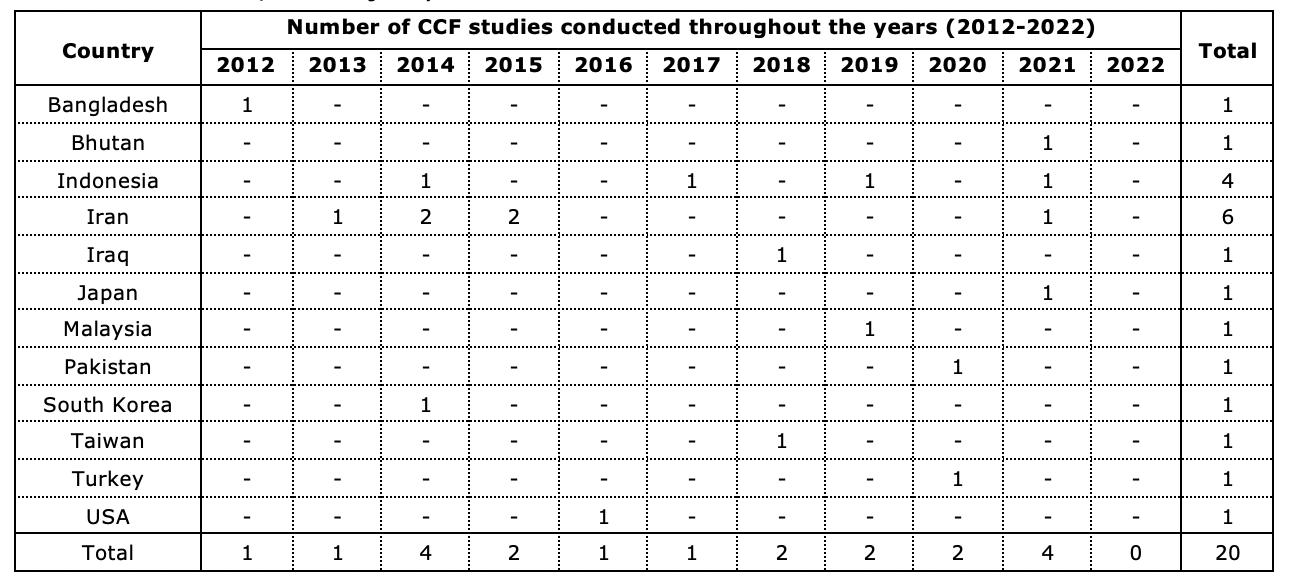
Table 5: Distribution of studies on the effects of CCF on students writing performance
As shown in Table 5, the highest number of CCF studies were identified in Iran, where six were included (Ahmadi-Azad, 2014; Gholaminia et al., 2014; Nia & Valizadeh, 2021; Sadat et al., 2015; Salimi & Valizadeh, 2015; Zareil & Rahnama, 2013). The second highest number of studies on CCF with a total of four articles were found in Indonesia Doi et al., 2021; (Muth’im & Latief, 2014; Rizkiani et al., 2019; Saukah et al., 2017).
As for the other Asian countries, there was only one article discovered for each country (Ekinci & Ekinci, 2020; Ferdouse, 2012; Lee & Sim, 2019; Mujtaba et al., 2020; Ogawa, 2021; Sherpa, 2021; Suh, 2014; Tang & Liu, 2018; Tawfeeq & Abbas, 2018) and only one article found in the Western hemisphere (Wagner & Wulf, 2016).
Distribution of coded corrective feedback research across different educational levels
It is crucial for teachers to take into account the different ages and education levels of their students to provide the most appropriate WCF. This is because the utilisation of feedback methods and the focus on writing aspects is different according to students’ level of education. Lira-Gonzales and Nassaji’s (2020) study uncovered that teachers tended to provide a more direct method of feedback to students at the primary level, and feedback was given more on grammar mistakes in writing because students tended to make more mistakes in that area. On the other hand, indirect feedback methods were used more with university students and lexical errors received more focus.
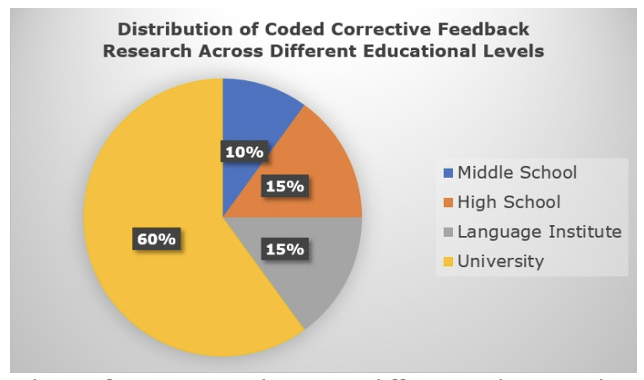
Figure 3: Pie chart of CCF research across different education levels and context
The chart in Figure 3 shows the distribution of different education levels in studies on the effects of CCF on students’ writing performance. The chart shows that the majority of the studies (n=12) (Doi et al., 2021; Ekinci & Ekinci, 2020; Ferdouse, 2012; Gholaminia et al., 2014; Lee & Sim, 2019; Mujtaba et al., 2020; Muth’im & Latief , 2014; Ogawa, 2021; Rizkiani et al., 2019; Suh, 2014; Tawfeeq & Abbas, 2018; Zareil & Rahnama, 2013) were conducted on students at the university undergraduate level. There were only a few studies (n=3) (Ahmadi-Azad, 2014; Nia & Valizadeh, 2021; Sadat et al., 2015) that were conducted in the context of language institutes where the students were a combination of high school and adult learners whose ages were between 14 and 20. Furthermore, there were a few studies (n=3) (Salimi & Valizadeh, 2015; Saukah et al., 2017; Wagner & Wulf, 2016), which were conducted on high school students. The lowest number of studies (n=2) (Sherpa, 2021; Tang & Liu, 2018) in this review were carried out on middle school students.
Distribution of studies on the effects of coded corrective feedback on different writing aspects
Writing performance includes a variety of aspects including grammar, lexicon, mechanics, pragmatics, content, etc. Therefore, researchers need to select the writing aspects that were used as the dependent variables to test the effects of WCF including CCF.
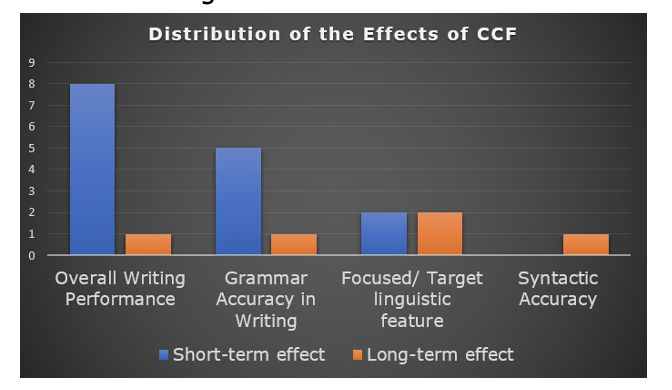
 Figure 4: Chart of the distribution of the effects of CCF
According to Figure 4, four main effects of CCF were identified across the reviewed studies. Many of the studies (n=9) tested the effects of CCF on students’ overall writing performance such as increasing scores on writing assessments (Ahmadi-Azad, 2014; Ekinci & Ekinci, 2020; Gholaminia et al., 2014; Mujtaba et al., 2020; Muth’im & Latief, 2014; Rizkiani et al., 2019; Tang & Liu, 2018; Tawfeeq & Abbas, 2018; Zareil & Rahnama, 2013). Several studies (n=6) investigated the effects of CCF on increasing overall grammar accuracy in writing (Doi et al., 2021; Ferdouse, 2012; Ogawa, 2021; Salimi & Valizadeh, 201; Saukah et al., 2017; Wagner & Wulf, 2016). A few studies (n=4) tested the effects of CCF on certain target linguistic features such as conditional sentence types 1, 2 and 3 (Sadat et al., 2015), past tense and articles (Sherpa, 2021), past counterfactual conditional (Suh, 2014) and conjunctions (Lee & Sim, 2019) in writing. Only one study investigated the effects of CCF on syntactic accuracy alone in writing (Nia & Valizadeh, 2021).
All twenty of the studies investigated the short-term effects of CCF by giving either a post-test or a subsequent writing task immediately after the treatment period. However, within the 20 studies, there were seven that administered a delayed post-test by imposing a certain time gap after the end of the treatment period to determine whether the students were able to retain the effects of the feedback. Three out of the seven studies were found to have administered a delayed post-test after one month (Ahmadi-Azad, 2014; Nia & Valizadeh, 2021; Salimi & Valizadeh, 2015). while two of the studies administered the delayed post-test after two weeks (Sadat et al., 2015; Tawfeeq & Abbas, 2018) and two remaining studies imposed just a short time gap of one week (Doi et al., 2021; Sherpa, 2021).
Overall effects of coded corrective feedback on students’ writing performance
Most of the studies were mainly conducted to determine the general effects of CCF and most of them (n=16) found that CCF was effective. According to the studies of the short-term effects of CCF, six studies found CCF to be effective (Ekinci & Ekinci, 2020; Ferdouse, 2012; Gholaminia et al., 2014; Lee & Sim, 2019; Rizkiani et al., 2019; Saukah et al., 2017).
There were also some studies (n=5) that tested and compared different types of CCF and their effects other than merely determining the effects of CCF on students' writing ability. For instance, Nia and Valizadeh (2021) studied the effects of CCF between two groups of students. The experimental group was treated with repeated-mediated indirect CCF method whereby the students had to revise their writing based on the coded feedback provided. The control group was treated with attention-mediated indirect CCF whereby the students just needed to study the coded feedback received without having to revise the text. Although the effects of both groups did not differ significantly, they still managed to make improvements in both their short-term and long-term syntactic accuracy in writing.
Ogawa (2021) compared two groups of students in which the experimental group was treated with the combination of CCF with repeated metalinguistic explanation, while the control group was treated with a combination of CCF with a single metalinguistic explanation. The results showed that these two methods did not produce significantly different outcomes, although both methods were able to increase students’ grammar accuracy in writing.
Tang and Liu’s (2018) study attempted to determine the effects of adding short affective comments from the teacher, to enhance the effects of CCF on middle school students’ writing performance. They discovered that the group who received CCF plus their teacher’s written affective comments did not differ significantly when compared to the group who received CCF alone. However, both groups were still able to improve their writing accuracy. Mujtaba et al. (2020) replicated the study but they conducted the study on university students instead. Their findings differed from those of Tang and Liu’s above as they found that the group who received the combination of CCF plus teacher’s written affective comments significantly outperformed the group who received just CCF alone in their writing accuracy.
Wagner and Wulf (2016) compared the effects of CCF with high and low proficiency learners, and they discovered that CCF group showed enhanced grammatical accuracy in writing. The high proficiency learners achieved better accuracy than the lower proficiency students.
As for the studies that investigated both the short-term and long-term effects of CCF, five studies discovered that the students were able to retain the effects of CCF in their writing of new drafts after a certain time gap (Ahmadi-Azad, 2014; Doi et al., 2021; Sadat et al., 2015; Salimi & Valizadeh, 2015; Tawfeeq & Abbas, 2018).
On the other hand, there were only two short-term CCF studies which reported that CCF was less effective when compared to direct CF, and one study found that CCF was not significantly different when compared to the other feedback methods, although all the methods, including CCF, did improve students’ writing ability at the post-test (Muth’im & Latief, 2014). As for studies on the long-term effects of CCF, only one study found that the students were unable to retain the effects of CCF after imposing a time gap (Sherpa, 2021).
Gaps and Future Directions
This section will highlight some of the gaps and future directions indicated by this scoping review. This review has shown that the studies on the effects of CCF were mostly conducted in Iran (n=6) and Indonesia (n=4). Only one study was identified in each of the other countries. Therefore, more studies should be conducted in different countries to investigate the effects of CCF in different settings. This is because the difference in contexts affects the way teachers and students behave in response to corrective feedback (Lira-Gonzales & Nassaji, 2020). Hence, it would be useful to discover how effective the use of CCF might be with students in different contexts especially in the ESL and EFL contexts. In particular, there are still no studies of CCF in the Latin American context to date.
It is apparent that most of the investigations (n=12) were conducted with university students. There were very limited studies carried with on secondary school students (middle, n=2, and high, n=3). Therefore, more investigations of CCF are needed on students at the secondary school level. Moreover, no studies of CCF with primary or elementary school students have been conducted to date Thus, future studies should consider investigating the effects of CCF especially at the primary or elementary school level to find out whether younger students are able to benefit from this feedback method.
As for the different focus on writing aspects, it seems that most of the research studied the effects of CCF on students’ overall writing performance (n=9) and overall grammar accuracy (n=6) in writing. There were only a few studies (n=4) that tested CCF by targeting certain linguistic features and only one study investigated the effects of CCF on syntactic accuracy in writing. Therefore, more studies should target other linguistic features that are difficult for learners to learn such as simple present tenses, (simple, past, future) continuous tenses, and prepositions, to determine which linguistic features can be more effectively treated with CCF.
There were several studies (n=7) that investigated the long-term effects of CCF. More future studies should investigate the effects of CCF beyond the revision stage and post-test stage in order to determine whether students are able to retain the effects of CCF after a time gap imposed. The time gap can be extended beyond one month to find out whether the effects of CCF can be retained at a longer time.
The review also discovered only a few studies (n=5) that investigated the effects of different CCF methods, rather than just comparing CCF vs. non-CCF. Since a majority of the studies have found that CCF is generally beneficial to increase writing performance, more studies should consider combining CCF with other methods to determine how these combinations could further enhance the effectiveness of CCF on students’ writing performance.
Furthermore, since only one CCF study was found to have separated the participants into lower and higher proficiency learners in this review, more studies should be done in this area by comparing the results of CCF for students at different proficiency levels. This is to determine whether the use of CCF can be advantageous to students of different proficiency levels especially to lower proficiency students so that they can perform self-editing more easily and effectively with the guidance of CCF clues to enhance their writing performance.
Conclusion
This review article synthesised the existing literature on the studies of coded corrective feedback, CCF, on students’ writing performance in recent years, from 2012 to 2022. This was done by analysing 20 published articles on the effects of CCF and other methods that were combined with it to promote students’ writing abilities such as overall writing accuracy, overall grammar accuracy, target linguistic features, and syntactic accuracy in writing.
Most of the studies generally compared CCF with non-CCF while a few studies combined other methods with CCF to strengthen its effects. These studies indicated that CCF was beneficial in enhancing students' writing quality. A few studies also showed that the effects of CCF can be retained for a period of time after the treatment period. Therefore, the study of CCF is useful to both researchers and educators since it can be used as an effective feedback method to optimise students’ writing performance.
Although more CCF studies are emerging in recent years, they are still quite limited. Since there are many English language learners in Asia, more research on CCF should be conducted in different Asian regions, because regional differences can be a factor in producing different results. In addition, CCF should be tested on younger students especially at the middle school and primary school levels to determine how well CCF works on their writing performance. Furthermore, other linguistic features (e.g., simple present tense, continuous tense, perfect tense, prepositions, subject and object pronouns) should be tested with CCF to determine its effectiveness. Moreover, more studies on the long-term effects of CCF should be conducted to discover how long students can retain the effects of CCF effectively. In addition, more CCF studies should be conducted on students at different proficiency levels to determine whether there are differences in terms of effectiveness across different proficiency levels. Lastly, future studies should consider combining CCF with other feedback methods to find out how efficient the combinations can be in enhancing the effects of CCF. Therefore, it would be beneficial to further the investigation into this branch of feedback. A deeper and more thorough understanding of the effects of CCF needs to be obtained as this method of feedback can benefit students by helping them develop their writing performance.
References
Agbayahoun, J. P. (2016). Teacher written feedback on student writing: Teachers' and learners' perspectives. Theory & Practice in Language Studies, 6(10), 1895-1904. http://dx.doi.org/10.17507/tpls.0610.01
Ahmadi-Azad, S. (2014). The effect of coded and uncoded written corrective feedback types on Iranian EFL learners' writing accuracy. Theory & Practice in Language Studies, 4(5), 1001-1008. https://doi.org/10.4304/tpls.4.5.1001-1008
Al Harrasi, S. N. M. (2019). The effectiveness of direct and indirect written corrective feedback in improving the grammatical accuracy of Omani EFL learners [Unpublished doctoral dissertation]. University of Stirling. http://hdl.handle.net/1893/29846
Alrubai’Ey, F., & Nassaji, H. (2013). Direct and indirect metalinguistic feedback: A matter of suitability rather than superiority. Issues in TEFL in the Arab World, 28-43.
Amin, M. M., & Saadatmanesh, S. (2018). Discovering the effectiveness of direct versus indirect corrective feedback on EFL learners’ writings: A case of an Iranian context. International Journal of Humanities and Cultural Studies, 5(2), 171-181. https://www.ijhcs.com/index.php/IJHCS/article/view/237/220
Arksey, H., & O'Malley, L. (2005). Scoping studies: Towards a methodological framework. International Journal of Social Research Methodology, 8(1), 19-32. https://doi.org/10.1080/1364557032000119616
Bitchener, J. (2012). A reflection on 'the language learning potential' of written CF. Journal of Second Language Writing, 21(4), 348-363. https://doi.org/10.1016/j.jslw.2012.09.006
Bitchener, J., and Knoch, U. (2008). The value of written feedback for migrant and international students. Language Teaching Research, 12(3), 409-431. https://doi.org/10.1177/1362168808089924
Bitchener, J., and Knoch, U. (2010). The contribution of written corrective feedback to language development: A ten month investigation. Applied Linguistics, 31(2), 193–214. https://doi.org/10.1093/applin/amp016
Dabboub, A. E. (2019). The effectiveness of comprehensive corrective feedback-direct and indirect-on EFL learners’ language accuracy, structural complexity and lexical diversity [Publication No. 27767129] [Doctoral dissertation, Nottingham Trent. ProQuest Dissertations and Theses Global.
Doi, M., Separ, F. M., & Wanggai, F. F. I. (2021). The effect of indirect coded versus indirect non-coded corrective feedback on improving students’ grammatical accuracy of EFL writing class. Edukatif: Jurnal Ilmu Pendidikan, 3(2), 619-630.
Ekinci, M., & Ekinci, E. (2020). Using error correction codes to improve writing success of EFL learners. International Journal of Language Academy, 8(4), 282-293. http://dx.doi.org/10.29228/ijla.45324
Ellis, R. (2008). A typology of written corrective feedback types. ELT Journal, 63(2), 97-107. https://doi.org/10.1093/elt/ccn023
Ellis, R. (2009). Corrective feedback and teacher development. L2 Journal 1(1), 3-18. https://doi.org/10.5070/l2.v1i1.9054
Estaji, M., & Bikineh, L. (2022). Self-monitoring and teacher’s response as a pedagogical technique to promote EFL learners’ perceptions and writing performance. MEXTESOL Journal, 46(1). https://doi.org/10.61871/mj.v46n1-7
Fathman, A. K., & Whalley, E. (1990). Teacher response to student writing: Focus on form versus content. In B. Kroll (Ed.), Second language writing: Research insights for the classroom (pp. 178-190). Cambridge University Press.
Ferdouse, F. (2012). Learning from mistakes: Using correction code to improve student’s writing skill in English composition class. Stamford Journal of English, 7, 62-86. https://doi.org/10.3329/sje.v7i0.14463
Ferris, D. (1997). The influence of teacher commentary on student revision. TESOL Quarterly, 31, 315-339. https://doi.org/10.2307/3588049
Ferris, D. R. (2003). Response to student writing: Implications for second language. Routledge. https://doi.org/10.4324/9781410607201
Ferris, D. R. (2010). Second language writing research and written corrective feedback in SLA: Intersections and practical applications. Studies in Second Language Acquisition, 32(2), 181-201. https://doi.org/10.1017/S0272263109990490
Ferris, D., & Roberts, B. (2001). Error feedback in L2 writing classes. How explicit does it need to be? Journal of Second Language Writing, 10(3), 161-184. https://doi.org/10.1016/S1060-3743(01)00039-X
Fitrawati, F. & Safitri, D. (2021). Students' grammatical errors in essay writing: A pedagogical grammar reflection. International Journal of Language Education, 5(2), 74-88. http://dx.doi.org/10.26858/ijole.v5i2.16128
Ganapathy, M. N. G., Lin, D. T. A., & Phan, J. (2020). Students’ perceptions of teachers’ written corrective feedback in the Malaysian ESL classroom. Malaysian Journal of Learning and Instruction, 17(2), 103-136. https://doi.org/10.32890/mjli2020.17.2.4
Gholaminia, I., Gholaminia, A. & Marzban, A. (2014). An investigation of meta-linguistic corrective feedback in writing performance. Procedia–Social and Behavioral Sciences, 116, 316–320. https://doi.org/10.1016/j.sbspro.2014.01.214
Ji, X. (2015). Error correction in college EFL writing instruction: Students’ expectations and correction effects. Journal of Asia TEFL, 12(1), 117-140.
Karim, K., & Nassaji, H. (2019). The effects of written corrective feedback: A critical synthesis of past and present research.Instructed Second Language Acquisition, 3(1), 28-52. https://doi.org/10.1558/isla.37949
Karim, K., & Nassaji, H. (2020). The revision and transfer effects of direct and indirect comprehensive corrective feedback on ESL students’ writing. Language Teaching Research, 24(4), 519–539. https://doi.org/10.1177/1362168818802469
Kepner, C. G. (1991). An experiment in the relationship of types of written feedback to the development of writing skills. The Modern Language Journal, 75(3), 305-313. https://doi.org/10.2307/328724
Lalande, J. F. (1982). Reducing composition errors: An experiment. The Modern Language Journal, 66(2), 140-149. https://doi.org/10.2307/326382
Lee, E. Y. C., & Sim, T. S. (2019). Written corrective feedback on the use of conjunctions among Malaysian ESL learners. AJELP: Asian Journal of English Language and Pedagogy, 7(1), 15-24. https://doi.org/10.37134/ajelp.vol7.1.2.2019
Lee, I. (1997). ESL learners' performance in error correction in writing: Some implications for teaching. System, 25(4), 465-477. https://doi.org/10.1016/S0346-251X(97)00045-6
Lira-Gonzales, M.-L., & Nassaji, H. (2020). The amount and usefulness of written corrective feedback across different educational contexts and levels. TESL Canada Journal, 37(2). https://doi.org/10.18806/tesl.v37i2.1333
Mujtaba, S. M., Parkash, R., & Nawaz, M. W. (2020). Do indirect coded corrective feedback and teachers’ short affective comments improve the writing performance and learners' uptake? Reading & Writing Quarterly, 36(1), 34-47. https://doi.org/10.1080/10573569.2019.1616638
Muth’im, A. & Latief, M. A. (2014). The effectiveness of indirect error correction feedback on the quality of students’ writing. Arab World English Journal (AWEJ), 5(2), 244-257. https://awej.org/images/AllIssues/Volume5/Volume5Number2June2014/19.pdf
Nia, Z. A., & Valizadeh, M. (2021). A comparison of the effects of revision mediated and attention-mediated indirect coded feedback on EFL learners' written syntactic accuracy. Shanlax International Journal of Education, 9(4), 146-156. https://doi.org/10.34293/education.v9i4.4093
Ogawa, Y. (2021). Written corrective feedback in EFL: Combining error codes and metalinguistic explanation. Journal of Response to Writing, 7(1). https://scholarsarchive.byu.edu/journalrw/vol7/iss1/4
Polio, C., Fleck, C., & Leder, N. (1998). “If only I had more time:” ESL learners' changes in linguistic accuracy on essay revisions. Journal of Second Language Writing 7(1), 43-68. https://doi.org/10.1016/S1060-3743(98)90005-4
Rizkiani, S., Bhuana, G. P., & San Rizqiya, R. (2019). Coded vs uncoded corrective feedback in teaching writing descriptive text. Eltin Journal: Journal of English Language Teaching in Indonesia, 8(1), 55-66. https://doi.org/10.22460/eltin.v8i1.p%25p
Robb, T., Ross, S., & Shortreed, I. (1986). Salience of feedback on error and its effect on EFL writing quality. TESOL Quarterly, 20(1), 83-96. https://doi.org/10.2307/3586390
Sadat, T., Zarifi, A., Sadat, A., & Malekzadeh, J. (2015). Effectiveness of direct and indirect corrective feedback on Iranian EFL learners' accuracy and retention of conditional sentences types I, II & III. Theory and practice in language studies, 5(10), 2023-2028. http://dx.doi.org/10.17507/tpls.0510.07
Salimi, A., & Ahmadpour, M. (2015). The effect of direct vs. indirect written corrective feedback on L2 learners written accuracy in EFL context. International Journal of English Language and Literature Studies, 4(1), 10-19. https://doi.org/10.18488/journal.23/2015.4.1/23.1.10.19
Salimi, A., & Valizadeh, M. (2015). The effect of coded and uncoded written corrective feedback on the accuracy of learners writing in pre-intermediate level. International Journal of Applied Linguistics and English Literature, 4(3), 116-122. http://dx.doi.org/10.7575/aiac.ijalel.v.4n.3p.116
Saukah, A., Dewanti, D. M. I., & Laksmi, E. D. (2017). The effect of coded and non-coded correction feedback on the quality of Indonesian EFL students’ writing. Indonesian Journal of Applied Linguistics, 7(2), 247-252. http://dx.doi.org/10.17509/ijal.v7i2.8127
Semke, H. D. (1984). Effects of the red pen. Foreign Language Annals, 17(3), 195-202. https://doi.org/10.1111/j.1944-9720.1984.tb01727.x
Setiyorini, T. J., Dewi, P., & Masykuri, E. S. (2020). The grammatical error analysis found in students’ composition. Lensa: Kajian Kebahasaan, Kesusastraan, dan Budaya, 10(2), 218-233. https://doi.org/10.26714/lensa.10.2.2020.218-233
Sheppard, K. (1992). Two feedback types: Do they make a difference? RELC Journal, 23(1), 103-110. https://doi.org/10.1177/003368829202300107
Sherpa, S. Z. (2021). Effects of direct and indirect written corrective feedback on Bhutanese learners' grammatical accuracy over time. LEARN Journal: Language Education and Acquisition Research Network, 14(1), 574-603. https://eric.ed.gov/?id=EJ1284550
Suh, B. R. (2014). The effectiveness of direct and indirect coded written feedback in English as a foreign language. Language Research, 50(3), 795-814. https://so04.tci-thaijo.org/index.php/LEARN/article/view/248704
Tang, C., & Liu, Y.-T. (2018). Effects of indirect coded corrective feedback with and without short affective teacher comments on L2 writing performance, learner uptake and motivation. Assessing Writing, 35, 26-40. https://doi.org/10.1016/j.asw.2017.12.002
Tawfeeq, H. M., & Abbas, A. M. (2018). The role of written corrective feedback in improving Kurdish EFL university students’ writing. Journal of University of Human Development, 4(4), 61-74. https://doi.org/10.21928/juhd.v4n4y2018.pp61-74
Truscott, J. (1996). The case against grammar correction in L2 writing classes. Language Learning, 46(2), 327-369.https://doi.org/10.1111/j.1467-1770.1996.tb01238.x
Van Beuningen, C. G., De Jong, N. H., & Kuiken, F. (2012). Evidence on the effectiveness of comprehensive error correction in second language writing. Language learning, 62(1). https://doi.org/10.1111/j.1467-9922.2011.00674.x
Wagner, J. P., & Wulf, D. J. (2016). Understanding written corrective feedback in second-language grammar acquisition.Journal of Education and Learning, 5(4), 259-277. http://dx.doi.org/10.5539/jel.v5n4p259
Zareil, A. A., & Rahnama, M. (2013). The effect of written corrective feedback modes on EFL learners’ grammatical and lexical writing accuracy: From perceptions to facts. International Journal on Studies in English Language and Literature (IJSELL), 1(3). https://www.arcjournals.org/pdfs/ijsell/v1-i3/v1-i3-ijsell_1.pdf