

Introduction
The expansion of English use among speakers from multiple cultural backgrounds worldwide has positioned it as the predominant lingua franca in cross-cultural interactions (Fang, 2017; Mauranen, 2018), places great demands on English as a foreign language (EFL) teaching today since they are expected to help their students acquire competencies to communicate with others in global, multilingual, and multicultural contexts (Morganna et al., 2020). Consequently, there are increasing calls for the integration of intercultural communicative competence (henceforth ICC) teaching in the EFL classroom (Byram, 2012; Iswandari & Ardi, 2022). As a result EFL teachers are paramount in promoting students’ ICC in the classroom. Many times, this includes teaching the target language culture of English-dominant countries and cultures such as the USA, UK, and Australia. These teachers can help improve students’ ICC through the use of cultural sources, teaching techniques, and classroom activities. The higher the students’ level of ICC, the greater their ability to communicate using the target language successfully with people from different linguistic and cultural backgrounds (Zhang & Zhou, 2019).
In a multicultural country like Indonesia, EFL lecturers may have positive beliefs on multiculturalism due to culturally diverse socio-educational factors (Morganna et al., 2020). The EFL lecturers who have positive beliefs about ICC are able to help the students to acquire ICC more successfully. Thus, what teachers know, perceive, believe, and think shape their teaching practices (Borg, 2015). However, limited exposure to natural English intercultural communication staging due to the socio-cultural factors positioning English as a foreign language (Kirkpatrick & Liddicoat, 2017) may cause the integration of ICC teaching in EFL classrooms to be questionable. A study conducted by Nindya et al. (2022) reported that Indonesian pre-service teachers have a clear understanding of ICC elements. Nevertheless, they did not apply them frequently in their teaching practicum. In the Iranian context, Safa and Tofighi (2022) suggested that there is a disparity between teachers’ perceptions of the significance of ICC and their classroom activities. Some other research studies (Saricoban & Oz, 2014; Sercu, 2005) revealed that ICC has not yet been implemented in language classrooms; linguistic teaching still dominates the majority of EFL classrooms; and cultural teaching has not been particularly helpful in preparing students for intercultural communication This might indicate a discrepancy between in-service EFL teachers’ and pre-service teachers’ beliefs of ICC and their teaching practice. However, previous studies have not provided information about how in-service EFL lecturers’ beliefs and their ICC teaching practice reflect their efforts to integrate ICC in the tertiary level classroom.
Previous studies on ICC literature have proposed some activities for teaching intercultural communication in the EFL context such as video-viewing, online forum discussions, face-to-face interactions, texts and cultural representations, values in proverbs, documenting transformation collectively, cultural online blog exchange, and artifact exploration (Byram & Feng, 2004; Chen, 2022; Moeller & Nugent, 2014). In the Indonesian context, Kusumaningputri and Widodo (2018) reported that the use of digital photograph-mediated intercultural tasks helped students promote their critical awareness of cultural realities. Regardless of this increasing attention, three gaps in the literature stand out: (1) studies of in-service EFL lecturer’s beliefs on ICC have been carried out relatively infrequently in comparison to EFL pre-service teachers’ beliefs; (2) although previous studies have investigated teachers’ beliefs and practices of ICC teaching, apparently, no study has been conducted among Indonesian in-service EFL lecturers focusing on the pedagogical and technological efforts of ICC teaching; (3) although the literature has shown a discrepancy between teachers’ beliefs and their practices of ICC teaching, investigating the real problems faced by in-service teachers to investigate ICC in EFL classroom along with any possible solutions is almost nonexistent. To address these research gaps, this study aims at answering four research questions:
- What are the beliefs of Indonesian in-service EFL lecturers about ICC?
- What pedagogical and technological classroom activities are used by EFL lecturers to teach ICC?
- What problems are faced by EFL lecturers while teaching ICC?
- What solutions are used by EFL lecturers to teach ICC?
Literature Review
Intercultural communicative competence in EFL context
Generally defined as the ability to negotiate meaning with other cultures through effective and acceptable communication (Byram, 2020; Munezane, 2021), ICC teaching integration in EFL classroom is essential for EFL lecturers at the tertiary level. Since learning a language could not be separated from learning its culture, students’ cultural awareness and high level of ICC can help them avoid cultural conflicts and have more academic success (Douglas & Rosvold, 2018). In the ICC literature, Byram’s (1997) ICC model was generally used as the framework. This framework includes: (1) attitudes dealt with curiosity and openness, readiness to suspend disbelief about other cultures, and belief in one's own cultural background (2) social groups’ concerns about knowledge and their products and practices in one's own culture and that of their interlocutor, as well as the general processes of societal and individual interaction; (3) contextualization and interpretation ability which cover the capacity to explain and relate a document or event from one culture to documents or occurrences from another; (4) skills of discovery and interaction focusing on the capacity for learning about a culture and its practices, and (5) critical cultural awareness which means the capacity to critically assess perspectives, practices, and products in one's own culture and in other cultures and nations based on specified criteria.
Beliefs on intercultural communicative competence
In the educational context, ICC beliefs play a crucial role,which encourages lecturers to set up teaching needs in multicultural class (Mostafei Alaei & Nosrati, 2018; Gong et al., 2022; Mante-Estacio & Tupas, 2022). Several studies have examined EFL teachers hold varying beliefs about intercultural competence, and these beliefs influence how they approach intercultural teaching (Fitriyah, 2020; Hasanah & Gunawan, 2020; Safa & Tofighi, 2022). Unfortunately, a similar pattern of findings revealed discrepancies between EFL teachers’ beliefs and teaching practice (Munandar & Newton, 2021). The participants acknowledged that language competence including reading and writing, listening, and speaking needs greater attention than intercultural competence. Hence, the teachers did not frequently incorporate cultural teaching in their classrooms. Given the aforementioned condition, the present study aims to delve EFL lecturers’ beliefs about ICC and its teaching prior to the investigation of their classroom efforts.
Intercultural communicative competence practices in EFL classroom
In an EFL classroom context, lecturers are expected to have a high level of ICC that enables them to deal with discrepancies in the classroom and respond more effectively to cultural variances (Iswandari & Ardi, 2022). As such, they are supposed to cultivate intercultural abilities in order to effectively work with learners who have varied cultural and linguistic identities, including the development of these skills in their instructional goals to promote students’ ICC (Cuartas Álvarez, 2020). The importance of integrating cultural dimensions and activities is also emphasized by the Common European Framework of Reference for Languages (CEFR) (Council of Europe, 2001).
To integrate ICC teaching into EFL classes, pedagogical and technological efforts of ICC teaching will assist the teachers in raising students' ICC levels (Spector et al., 2014). A previous study by Hasanah and Gunawan (2020)explored pedagogical practices of cultural teaching such as imparting cultural knowledge to the class (common meals and customs of English-speaking individuals) and emphasizing to students the importance of appreciating cultural diversity by contrasting east and west cultures. Another study (Christiansen & Silva, 2016) also offers pedagogical recommendation for teaching culture by addressing cultural backgrounds, including visual and audio resources in the classroom and integrating the community, and encouraging global knowledge. Moreover, technological efforts using several technological advancements, social networking and smartphone apps will support the learning. For example, Safa and Tofighi (2022) reported the effectiveness of a telecollaborative project of training classes involving two teachers, one from Turkey and the other from USA in fostering their intercultural competency.
In addition to the ICC teaching implementation, previous studies reported that one of the difficulties in including ICC in a language classroom was how to adjust target culture into specific teaching and learning opportunities (Bickley et al., 2014; Gashi, 2021). Other studies also mentioned some possible problems of ICC teaching such as the varied levels of students’ communicative skills, the discourse of communication, its styles, and perspectives, limited time, and the curriculum (Jhaiyanuntana & Nomnian, 2020; Nindya et al., 2022; Phumpho & Nomnian, 2019). Accordingly, several academic reports also gave some suggestions to promote students’ ICC through some learning activities, for example, by using fiction and cultural texts, designing students-centered activities, and giving students access to online cultural resources (Heggernes, 2021; Nomnian, 2018; Safa & Tofighi, 2022).
Thus, ICC includes attitude, social groups, contextualization and interpretation, skills of discovery and interaction, and critical cultural awareness, which are crucial aspects that EFL lecturers need to acquire. Moreover, in-service EFL lecturers’ beliefs about ICC and its teaching are paramount, but these issues have not been intensively studied. Therefore, the beliefs of the in-service EFL teachers on the ICC need to be transformed into classroom practices for the benefits of the students who have been exposed not only to their own, but also to other people’s cultural values.
Methodology
This study employed the explanatory sequential mixed method proposed by Creswell (2013). The quantitative method employed a survey study (Fraenkel et al., 2012), whereas the qualitative method employed an instrumental case study (Yazan, 2015). The quantitative data regarding EFL lecturers’ beliefs on ICC were gathered by using an online survey to 122 EFL lecturers who were teaching in universities in a number of regions in Indonesia: Sumatera, Java, Sulawesi, Kalimantan, and Papua. An online informed consent form with information about the nature of the study, its purpose, the data collection method, the rights of participants, and the anonymity and confidentiality of the responses was included with the online questionnaire. Respondents could only access the questionnaire after providing their digital consent and moving on to the following stage of the forms. Table 1 shows the demographic data of research respondents.
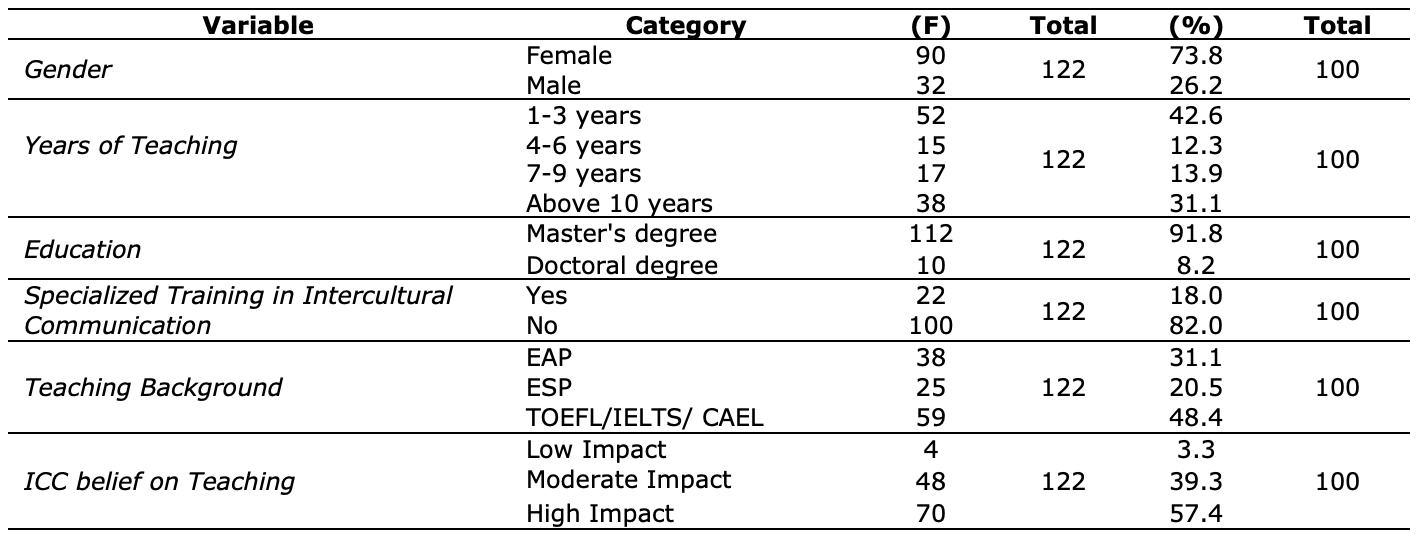
Table 1: Demographic data of research participants
Consecutively, the qualitative data were gathered from video recorded observations and interviews. The participants were ten EFL lecturers who were purposively selected based on the following set criteria. First, they represented the group of lecturers who had positive beliefs and negative beliefs on ICC based on the questionnaire data. Second, they were adequately communicative. Third, they were willing to be interviewed and observed. Prior to the observation and interview process, the participants filled out and signed the informed consent form. The participants’ signatures on this form signaled the beginning of the data collection process.
Data collection and analysis
The quantitative data of surveys were gathered using Intercultural Communicative Competence belief scales (ICCBS). The questionnaire was adopted from Bickley et al. (2014) which was developed based on Byram’s (1997) ICC frameworks to investigate lecturers’ belief on ICC and ICC teaching. The questionnaire used five-point Likert scale with 21 questions which were divided into two sections: (1) EFL lecturers’ ICC beliefs (7 questions) and (2) Integration of ICC in EFL classroom (14 questions). The survey was distributed online through Google Forms, and the participants had two weeks to submit their responses. The obtained data then statistically analyzed by using SPSS 26 for searching up means and standard deviations.
The qualitative data were obtained through classroom observations and semi-structured interviews as suggested by Bickley et al. (2014). These focused on the resources and method of ICC implementation in pedagogical and technological practices. The instrument for classroom observation was adopted from Gu (2016) and focused on teaching assessment in ICC implementation. Ten selected EFL lecturers were observed and evaluated in terms of how they addressed and managed ICC teaching in their EFL classrooms. Moreover, to strengthen and triangulate the obtained data, several grids of interview questions were used as proposed in Dörnyei (2001). The questions were related to lecturers’ understanding of ICC teaching implementation in the classroom (2 questions), the lecturers’ efforts in integrating the ICC model in class activities (3 questions), and the lecturers’ views on the feasibility of using the ICC model in the learning process in an academic atmosphere (5 questions). During the discussion of the pedagogical and technological classroom efforts for ICC teaching, ten EFL lecturers gave an overview of how they implemented the ICC concept in their classes including teaching techniques, classroom activities, and lecturers’ strategies on evaluating students' ICC. The obtained data were then analyzed using the interactive model of analysis as proposed by Miles et al. (2014).
Results
Indonesian EFL lecturers’ beliefs about ICC
The findings of the survey on 122 in-service EFL lecturers’ beliefs on ICC revealed that most of the EFL lecturers had positive beliefs of ICC and ICC integration in the classroom. This indicates that their positive beliefs could be implemented into their teaching practice in the EFL classrooms. Moreover, lecturers’ beliefs on ICC play pivotal role in classroom activities since their beliefs impact on how they understand the concept of multicultural dimensions and how to integrate it in classroom activities through instructional design, learning media, materials, and interactions. Using the demographic data of research respondents shown in Table 1, Table 2 shows the data divided into four main categories namely male and female representing respondents’ gender and novice and experience lecturers representing respondents’ years of teaching.
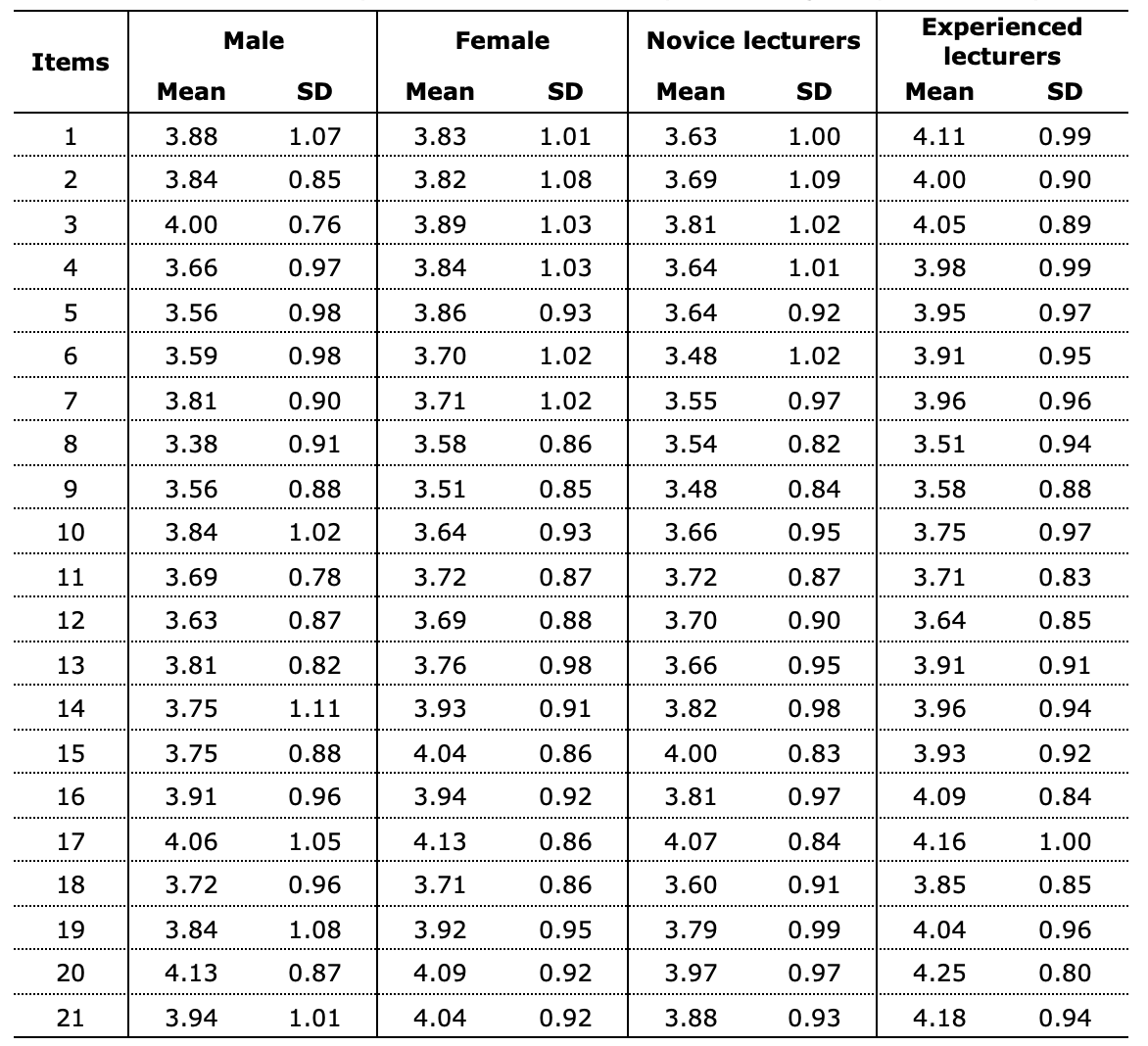
Table 2. Indonesian in-service EFL lecturers’ beliefs on ICC
On average, the data indicated positive beliefs of in-service EFL lecturers on ICC and the distributions of responses were normally distributed. For the first category, the mean score of both male and female lecturers is similar. The means range from 3.5-4.13 for male lecturers and 3.51-4.13 for female lecturers. This indicates that there are no significant differences in lecturers’ beliefs based on gender. For the second category, there is a difference of the highest mean between novice and experienced lecturers. The means range from 3.54-4.07 for novice lecturers and 3.51-4.25 for experienced lecturers. This suggests that experience plays a role in shaping beliefs about ICC, with experienced lecturers generally having more positive beliefs than the novice lecturers. Moreover, the data shows that the items with the highest means across all groups were items 17, 20, and 21, which focused on the importance of incorporating ICC into EFL teaching and the role of EFL teachers in promoting ICC. This indicates that the surveyed lecturers generally agreed on the importance of ICC in EFL teaching. On the other hand, items with lowest means (below 3.5) included items 8, 13, and 18, which relate to the difficulty of assessing ICC, the lack of support from the institution for promoting ICC, and the need for specific training for ICC respectively. This suggests that there are still some challenges that need to be addressed in promoting ICC among EFL lecturers.
Pedagogical and technological classroom efforts for ICC teaching
The data pertaining to in-service EFL lecturers’ classroom efforts to integrate ICC teaching in the classroom were gathered from observations and interviews. The data demonstrated that EFL lecturers had given pedagogical and technological efforts in the classroom to integrate ICC in their teaching. The data are coded in Table 3.
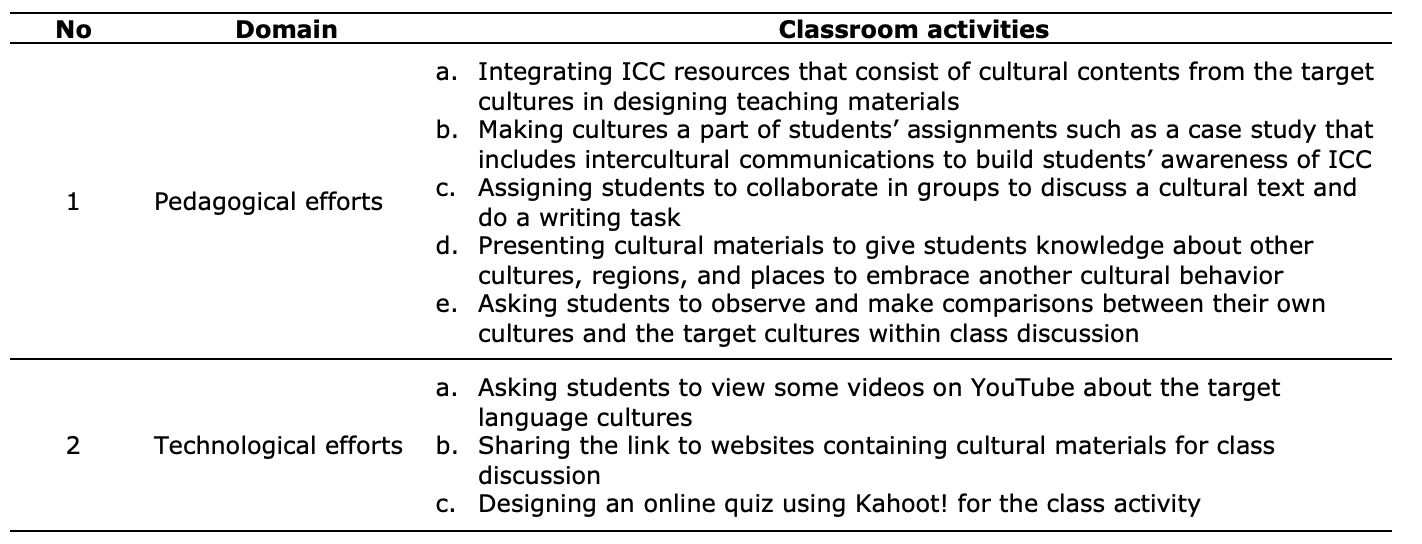
Table 3: Classroom efforts for ICC teaching
As relates to the pedagogical efforts as observed when teaching, Lecturer 1 tried to integrate ICC resources that consisted of cultural contents from the target cultures into her teaching materials. During an interview, she confirmed that ICC materials that were combined into English skills such as in speaking classes could help students improve their ICC.
I believe that learning a language is inseparable from the target language culture. Thus, I always try to integrate cultural resources in designing EFL teaching materials such as in speaking and writing classes. By doing so, the students will have more knowledge of the target language cultures. (Lecturer 1)
Lecturer 2 also tried to make culture a part of students’ assignments. The example of the assignment was a case study that includes intercultural communications to build students’ awareness of ICC.
One effective way I usually apply [sic] in my class is to give the students an assignment related to cultures. For instance, in speaking class, I give the students a case study about the target culture then I ask them to give their opinion about that case. (Lecturer 2)
Lecturer 3 assigned students to work collaboratively in groups to discuss a cultural text. He believed that group activities could enhance students’ confidence to practice their ICC and enhance their curiosity about other cultures as well. Moreover, the students were asked to do a writing task related to the cultural text.
For some learning topics, students can perform better in group activities. Hence, the discussion of cultural events is also effective in groups whereby [sic] they can share their opinions about the cultures of the target language. Besides, the students are assigned with [sic] writing activities related to cultural topics. (Lecturer 3)
Lecturer 4 presented cultural materials as well. She confirmed that in this way students’ knowledge of other cultures and cultural behavior could improve.
To enhance students’ knowledge of the target culture and behaviors, I prepare [sic] some slides of cultural materials and present [sic] them to the students. I also provide [sic] examples of real events. This way is good for [sic] the beginning of the course activity. (Lecturer 4)
Lecturer 7 asked students to observe and make comparisons between their own cultures and the target cultures within the class discussion. According to Lecturer 7, comparing students’ own culture and the target cultures could give students a chance to see the differences between both cultures and the ability to deal with those differences.
Giving the students the chance to observe their own cultures and compare them to other cultures is a natural way to help students improve their intercultural sensitivity which will improve their ICC as well. Open discussion within the class will also enrich the students’ intercultural knowledge since the students can share what they have known about other cultures and share their views on how to deal with the differences between those cultures. (Lecturer 7)
Besides the pedagogical efforts carried out by EFL lecturers to include ICC in their teaching, the data from observation revealed some technological efforts applied by the lecturers to promote students’ ICC. For example, when Lecturer 8 was teaching, she shared a YouTube link containing videos about native-English cultures. After doing so, she asked students to voluntarily give a response to the video they have watched.
I think the real cultural event [sic] of the native-English speaker that the students see in the YouTube video is the best way to introduce them to the existing cultures that are different from their own. Technology integration such as YouTube helps me a lot in choosing the appropriate materials for my students. (Lecturer 8)
Another technology used in ICC teaching was identified by Lecturer 2. He initiated classroom discussions by providing students with cultural websites that the students could access with their own smartphones. He confirmed that this way is effective to make use of the technology to enhance students’ ICC.
Technology helps me a lot in designing learning activities and also providing teaching sources including topics about cultures. I usually search the website [sic] that provides information on English-native cultures. Then I share the link with the students for ease of access. Later in the classroom, I invite the students to discuss the cultures and behavior they have already read. (Lecturer 2)
Lecturer 7 also provided technological opportunities by designing an online quiz using Kahoot! for the class activity. Kahoot! is a kind of gamification tool that can be used for learning evaluation.
After telling my students to observe and compare their own cultures with the target cultures, a good way to measure their knowledge of what they have learned is through an interesting online quiz. Kahoot! is a gamification platform that I usually use in the classroom. It is good to see my students’ excitement when competing to answer the questions of the given cultural topics. (Lecturer 7)
The problems of ICC teaching in EFL classroom
Based on the interview data, the problems of ICC teaching were divided into two codes: 1) problems related to students, and 2) problems faced by the lecturers. The coded data of the problems can be seen in Table 4.
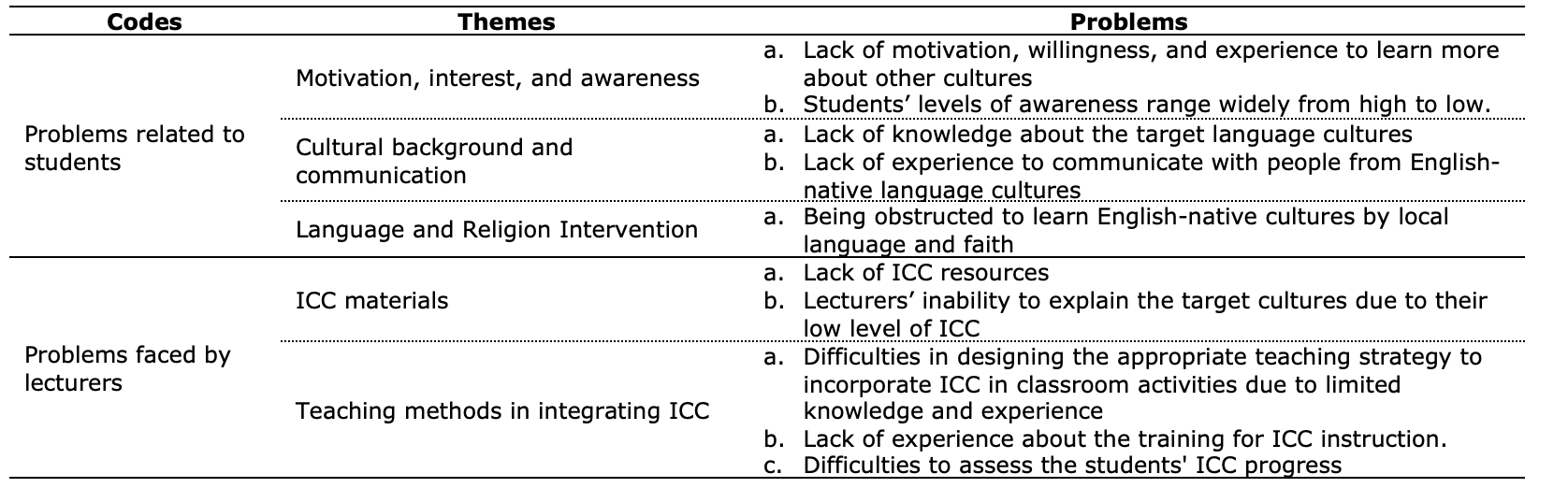
Table 4: The problems of ICC teaching
Problems related to students
Having low motivation, interest, and awareness
The students' lack of motivation and willingness to learn the target cultures was the biggest problem for the lecturers in integrating ICC into their classroom activities. The students felt they were not able to travel to those English-speaking countries and experience the various cultures. As a result, they frequently disregarded the cultural knowledge that was taught in ICC events. During the interview, Lecturer 1 said:
Students tend to have low motivation and interest in understanding other cultures as they think they won't or have small chances to experience different cultures. (Lecturer 1)
The other lecturers mentioned the difficulty in raising their students' ICC awareness. The students' levels of awareness varied widely. Some of the students were truly conscious of the value studying different cultures on learning the language, while some students had a low awareness. Therefore, they frequently did not fully understand the ICC course objectives.
The level of ICC awareness is various among students. Even though some of them are aware about the important of learning other cultures while learning the language, most of them are not aware of the objectives of ICC. (Lecturer 2)
Lack of the target culture background and communication competence
The lecturers said that it was challenging to introduce students to cultures outside of the Indonesian cultures. Besides the problem of the cultural knowledge itself, some students still had problems with their communicative competence. These two problems then contributed to students’ low level of ICC
The difficulties lie on introducing students with cultures outside Indonesia. They do not have background knowledge about the culture and they do not directly communicate with the people of those cultures. Furthermore, students’ communicative competence is still varied. (Lecturer 3)
Language and religious problems
The integration of ICC material in some regions in Indonesia encountered certain problems. According to the lecturers from a particular region of Indonesia, both the local language and the students' faith obstructed their efforts to learn English.
Since I am teaching in Madura which has a strong local culture, I have a problem [sic] to teach ICC in the classroom because in Madura the English is interfered [sic] by language and religion. (Lecturer 4).
Problems faced by the lecturers
A lack of ICC materials
One of the significant problems encountered by the lecturers on trying to integrate ICC teaching in their classes was a lack of ICC resources. Lecturer 5 confirmed that she usually tried to find cultural topics and materials on the internet, but she still had difficulties selecting the appropriate materials for the students.
My problems sometimes related to the challenges to find the cultural material that I can teach to my students that covers all English-native cultures. I usually introduce the students only to the common cultural events and behavior. (Lecturer 5)
Teaching methods to integrate ICC
Finding the best teaching strategy to incorporate ICC activities was the lecturers’ second issue. The lecturers confirmed that there was a lack of training on how to teach ICC. Because of this their knowledge and experiences about integrating ICC into their English teaching activities were limited.
The problems deal with my inability to find the appropriate resources and method for ICC teaching in the EFL classrooms. I have not gotten training as regards ICC teaching so my knowledge and experience are still limited. (Lecturer 6)
Difficulties in assessing students' ICC progress
Another problem in ICC teaching encountered by the lecturers was related to assessment. Lecturer 10 said that she was still looking for the proper way to assess students’ ICC after its integration in class.
Besides the problem [sic] to provide real exposure of ICC in the classroom, I also find [sic] a challenge in [sic] assessing students’ ICC. Usually, I use multiple-choice quizzes to measure their understanding of the studied cultures. (Lecturer 10)
Solutions for ICC problems
The interview data also provided information regarding solutions offered by the lecturers to cope with the encountered problems. Table 5 shows these possible solutions.

Table 5: Solutions to the problems of ICC teaching
Solutions related to students’ problems
Encouraging the students’ critical and open thinking about cultural differences
Dealing with the first problem which was students’ low motivation, interest, and awareness of other cultures, the lecturers suggested introducing the diversity that could be found between students’ own culture and that of native English speakers. Lecturer 1 confirmed that she convinced students about the significance of learning other cultures and the advantages of having a greater awareness of ICC. I always try to convince my students that the diversity of religions, customs, skin color, language and culture is a part of life. Giving an understanding that cultural awareness and ICC will prevent them from cultural conflict. (Lecturer 1)
The lecturer also tried to increase the student’s awareness in culture by encouraging them to socialize the students in the classroom who had different religions, ethnicity or race.
I invite students to socialize with the [sic] environment at class … inviting students to play around the class or allowing students to make friends or chat with classmates who have different religion and language. This will be very good for students’ cultural awareness. (Lecturer 2)
Reading stories and watch movies about differences and diversity
To overcome problem 2 about the absence of students’ cultural background and communication, the lecturers asked the students to read a comparison story that contain respect for differences and diversity. The stories could be fiction or nonfiction taken from a magazine, comic or short movies.
I tell about legends or stories about how people in the past respect [sic] each other such as a love story of a couple in different background. I also tell the students to read books or watch movies containing cultural issues. (Lecturer 3)
Another solution offered by the lecturers was explaining about other cultures around them. Lecturer 8 believed that the students needed to know about many cultures in their environment from videos and pictures to show them how other cultures speak, dress and behave differently.
I show my students some short videos and pictures about traditional custom and language. Then, I ask them to tell their opinion about the culture shown on the videos and pictures. (Lecturer 8)
Sharing a role model example
To overcome the local language and religion intervention on students’ ICC, Lecturer 8 showed the attitudes of how to behave both in words and deeds that show tolerance and respect for diversity in region and language. The lecturer taught the students about religious tolerance and linguistic inclusivity.
I always teach them to be a moderate student in religion [sic] like Moslems and Christians and respect other language [sic]like Javanese and Madurese as what the famous persons such as President Jokowi or Gus Dur (former president of the Republic of Indonesia). (Lecturer 4)
Solutions related to lecturers’ problems
Let the students experience the real situation
To overcome the problem of lack of ICC materials, the lecturers had a better solution for this. Lecturer 1 said that when it was possible, students were asked to make a project in groups that allowed them to experience diversity such as visiting museum or tourism places that would enable them to have communication with foreign tourists. By doing so, ICC teaching was not merely about lecturers explaining the cultural events, but students could develop their ICC through the given projects.
Project based learning can help me to deal with cultural materials. As their task, I ask the students to visit some places where they can find that different cultures exist and make report of what they have observed and share it to their friends in class. (Lecturer 1)
Another way to deal with this problem was offered by Lecturer 7 by showing pictures and videos from the internet containing cultural events and behavior.
I try to show the pictures and videos from the internet about different types of people, custom [sic], beliefs and behavior. (Lecturer 7)
Integrating the ICC materials in the lesson plan and curriculum
Drawing on preliminary research that highlights the insufficient support within the EFL curriculum for the integration of intercultural communicative competence (ICC) into EFL courses, the inclusion of cultural elements during the formulation of lesson plans emerges as a promising strategy for educators to enhance their ICC instruction.
Although for me it is quite challenging to integrate ICC teaching in courses that I taught, I usually try to insert cultural elements when I design my lesson plan from the material, teaching activities until the assessment. I look for some references about how to evaluate students’ ICC and try to implement some of them in my class such quiz or self-presentation. (Lecturer 10)
Discussion
There are four major sets of findings in the present study which set out to examine Indonesian EFL lecturers’ beliefs about ICC, pedagogical and technological efforts to integrate ICC teaching in EFL classrooms, and the encountered problems on ICC teaching and the offered solutions.
The first finding revealed that the Indonesian EFL lecturers seem to possess positive beliefs about ICC and ICC integration in the classroom. The lecturers from the two categories namely gender (female and male) and years of teaching (novice and experienced lecturers) showed above-average agreement on the importance of both linguistic competence and intercultural competence in conducting classroom activities, supporting Kusumaningputri and Widodo’s (2018) study. We can see that the positive beliefs of the participants in this study about ICC can be linked to the fact that young Indonesians have been exposed to multiple languages and cultural backgrounds. Hence, they have a higher level of intercultural awareness that is reflected in their beliefs. Furthermore, the lecturers also possess a positive agreement on ICC integration in their classrooms, integrating the value of ICC into materials, learning activities, and interactions to provide greater relevancy in their classrooms which is considered to be the optimum environment to practice intercultural communication. This corroborates the previous studies (e.g., Byram & Feng, 2004; Council of Europe, 2001; Nomnian, 2018) which indicate that the ultimate objective of learning foreign language is to create students’ ICC.
The second finding of this study showed the lecturers’ pedagogical and technological efforts to integrate ICC teaching in EFL classrooms related to pedagogical efforts like the teaching materials, activities and assessment. The lecturers integrated ICC materials activities such as cultural content from target cultures when designing teaching materials, integrating cultural issues into students’ assignments, having students collaborate in groups to discuss a cultural text, presenting cultural materials to illustrate other cultures, regions, and places, and asking students to observe and make comparisons between their own cultures and the target cultures with class discussions. As the technological efforts to incorporate ICC teaching into EFL classroom, this study reported several activities carried out by the lecturers such as asking students to view YouTube videos about the target language cultures, sharing links to websites containing cultural materials for class discussion, and designing an online quiz using Kahoot!.
The lecturers have made these efforts for three reasons. First, the students’ awareness and proficiency of ICC was still varied. Integrating ICC materials into English courses could help students to achieve a higher level of cultural awareness and ICC. Supporting this finding, previous studies (e.g., Christiansen & Silva, 2016; Nindya et al., 2022)suggested the teachers should include ICC teaching in their EFL classrooms since many believe that learning a language is inseparable from learning its culture. Second, the way the lecturers presented cultural materials prior to learning activities that required students’ active participation, such as group discussion. This point was also emphasized by Ortaçtepe (2015) whose study showed that teachers can activate students’ knowledge by transferring the teachers’ knowledge and facilitating the students in conversation and discussion activities. Third, the activities and tasks such a case study of cultural events or behavior and online quiz using Kahoot!, could increase students’ interest in learning about the target culture. This finding is in line with previous studies showing that the learning projects such as engaging students with activities like video-viewing and online forum discussions, as well as face-to-face interactions could raise EFL students’ intercultural awareness (Ardi & Rianita, 2022; Chen, 2022). Despite some classroom efforts made by some observed lecturers, the findings of this study also revealed that not all of the lecturers implemented ICC teaching in their classroom. However, this study still supports the previous studies’ findings that to a certain extent since lecturers’ practice of ICC in the classroom failed to correspond with their beliefs (Nindya et al., 2022; Safa & Tofighi, 2022; Young & Sachdev, 2011). This study then revealed the problems encountered by the lecturers in ICC teaching integration.
The third finding of this study was that the lecturers’ had problems successfully including ICC into their teaching. One of the problems was the students' lack of interest in learning more about different cultures. The students believed that they would not ever have experiences exposing themselves to the real target cultures, so they preferred to ignore the cultural knowledge that was provided in the classroom. Egonsdotter et al. (2020) in their study addressed this issue as well, stating that there was a focus on "national" cultures and little attention to cultural characteristics other than those that were already included in textbooks. Another problem was that the students' levels of ICC awareness varied greatly. Surprisingly, some of the students had a genuine appreciation for the importance of learning about other national cultures on learning the language. However, they frequently failed to comprehend the ICC course objectives completely. As a result, they struggled to communicate effectively. A study by Jhaiyanuntana and Nomnian (2020) in Thai educational context also revealed that the intercultural communicative abilities of EFL students in higher education settings was not very successful. Also, Phumpho and Nomnian’s (2019) study indicated that communicative discourse, its styles, and views were the most common issues encountered by ASEAN English students. Another problem for the EFL lecturers was a lack of ICC resources. This point has been emphasized in some studies (e.g., Gu, 2016; Tran & Dang, 2014). This limitation contributed to the problems in delivering the cultural knowledge of the target language to the students. Additionally, another problem was about determining the appropriate teaching technique for incorporating ICC activities. They were unsure if they would find the appropriate resources or pedagogical approaches in EFL programs. A similar issue was raised in earlier studies (Bickley et al., 2014), which found that one of the most challenging tasks in integrating ICC into language classroom environments was how to adapt target culture into particular teaching and learning possibilities.
The fourth finding of this study dealt with the solutions offered by the EFL lecturers to the problems they had encountered. The problem of students’ lack awareness and interest to learn the target culture, they found that encouraging the students to think openly and critically about culture differences was very effective. This was also suggested by Weninger and Kiss (2013) whose study found that the teachers’ efforts to stimulate the students’ awareness of culture by integrating with the environment including religion, ethnicity or race can improve students’ intercultural awareness. Another solution could be exposing the students to reading stories and watching movies about differences and diversity to help overcome the limitations of students’ cultural backgrounds and communication. This has been supported by previous studies that recommend the use of stories (fictional or nonfiction) taken from magazines, comedies and brief videos for teaching multiculturalism (Bouslama & Benaissi, 2018). In addition, this activity can introduce the students to other societies using recordings and pictures to show them how other societies talk, dress, and live. Another solution offered by the lecturers was to allow the students to encounter cultural differences by visiting monuments or museums visited by foreign tourists that could enhance their multicultural knowledge and sensitivity. By doing so, the lecturers guided the students to acquiring good attitude, knowledge, and skills regarding intercultural competence (Byram & Feng, 2004). It is worth noting that Indonesian EFL lecturers need various opportunities for professional development and teacher training in implementing ICC in EFL classroom practices to boost their experience, skills, and confidence. This supports the recommendations by Safa and Tofighi (2022) and Zhang and Zou (2019) that claimed that teacher professional development through seminars, workshops, and conferences would be useful for educators or foreign language teachers.
Conclusion and Implications
This study has examined in-service EFL lecturers’ beliefs of intercultural communicative competence (ICC) in Indonesian educational contexts. It was discovered that lecturers have a strong positive belief in ICC in cross-cultural settings. To promote more lively practice on ICC value in academic settings, several activities such as challenging and interesting multicultural events, relevant model, credible teaching resources were recommended for use in the teaching and learning process to develop intercultural interaction among the students.
This study has also analyzed the pedagogical and classroom efforts carried out by the lecturers to integrate ICC teaching in their classroom. The lecturers’ pedagogical efforts consisted of cultural contents from the target cultures in designing teaching materials, cultural issues in students’ assignments, assigning students to collaborate in groups to discuss a cultural text, presenting cultural materials to give knowledge about other cultures, regions, and places, giving writing activities, and asking students to observe and make comparisons between their own cultures and the target cultures in class discussions. Meanwhile, the lecturers’ technological efforts to foment ICC teaching consisted of asking students to view some videos on YouTube about the target language cultures, sharing the link to websites containing cultural materials for class discussion, and designing an online quiz using Kahoot! as a class activity.
Although these efforts could help the lecturers to improve students’ ICC, several lecturers who participated in this study still showed their inability to integrate culture teaching in their classes due to several problems, namely students' lack of motivation and willingness to learn more about other cultures, students' varied ICC proficiency, the intervention of local language and cultures, lecturers’ difficulties in designing an appropriate teaching strategy to incorporate ICC in classroom activities due to limited knowledge and experience, a lack of experience in training for ICC teaching, and difficulties on assessing the students' progress. Thus, the present study still supports the findings from the previous studies which prove that there is a discrepancy between teachers’ belief of ICC and their classroom practices. However, this study tried to delve into the solutions suggested for problems by encouraging the students to be critical and open about culture differences, reading stories and watching movies about differences and diversity, having lecturers or other famous people act as role models of multiculturalism, allowing the students to experience different cultures by going to the museums or other cultural places, and integrating ICC materials into lesson plans and curriculum.
As there were a number of problems encountered by the EFL lecturers in integrating ICC teaching to the classroom, further research could explore effective teaching strategies, teaching techniques, classroom activities and ICC teaching media to promote students’ ICC development. Future research could also investigate the multicultural backgrounds of participants from other countries using EFL to have comparative results and to explore the interplay of variables that may affect students’ ICC, which will likely be insightful for EFL teachers.
Acknowledgement
The first, second and third authors of this study would like to express their gratitude to the Indonesia Endowment Fund for Education (LPDP) from Ministry of Finance of the Republic of Indonesia and Ministry of Education and Culture Affairs of the Republic of Indonesia (Kementerian Pendidikan dan Kebudayaan RI) for granting the scholarship for their doctoral study at Universitas Negeri Malang, Indonesia and supporting the completion of this study.
References
Bickley, C., Rossiter, M. J., & Abbott, M. L. (2014). Intercultural communicative competence: Beliefs and practices of adult English as a second language instructors. Alberta Journal of Educational Research, 60(1), 135-160. https://doi.org/10.11575/ajer.v60i1.55810
Borg, S. (2015). Teacher cognition and language education: Research and practice. Bloomsbury.
Bouslama, A., & Benaissi, F. B. (2018). Intercultural competence in ELT contexts: A study of EFL teachers’ perceptions. Arab World English Journal (AWEJ), 9(4), 122-135. https://dx.doi.org/10.2139/ssrn.3308264
Byram, M. (1997). 'Cultural awareness' as vocabulary learning. Language Learning Journal, 16(1), 51-57. https://doi.org/10.1080/09571739785200291
Byram, M. (2012). Conceptualizing intercultural (communicative) competence and intercultural citizenship. In J. Jackson (Ed.), The Routledge handbook of language and intercultural communication (pp. 85–97). Routledge
Byram, M. (2020). Teaching and assessing intercultural communicative competence: Revisited (2nd ed.). Multilingual Matters.
Byram, M., & Feng, A. (2004). Culture and language learning: Teaching, research and scholarship. Language Teaching, 37(3), 149-168. https://doi.org/10.1017/S0261444804002289
Chen, R. T.-H. (2022). Teaching intercultural communication in an English as a lingua franca context. RELC Journal, 54(3). https://doi.org/10.1177/00336882221074106
Christiansen, M. S., & Silva, D. (2016). Teaching culture in EFL classrooms in Mexico: Current practices and pedagogical recommendations. MEXTESOL Journal, 40(2). https://www.mextesol.net/journal/public/files/104c971ba615abd00824eaae71624bc0.pdf
Council of Europe. (2001). Common European framework of reference for languages: Learning, teaching, assessment. Cambridge University Press.
Creswell, J. W. (2013). Research design: Qualitative, quantitative, and mixed methods approaches. Sage.
Cuartas Álvarez, L. F. (2020). Intercultural communicative competence: In-service EFL teachers building understanding through study groups. Profile Issues in Teachers' Professional Development, 22(1), 75-92. https://doi.org/10.15446/profile.v22n1.76796
Dörnyei, Z. (2001). New themes and approaches in second language motivation research. Annual Review of Applied Linguistics, 21, 43-59. https://doi.org/10.1017/S0267190501000034
Douglas, S. R., & Rosvold, M. (2018). Intercultural communicative competence and English for academic purposes: A synthesis review of the scholarly literature. Canadian Journal of Applied Linguistics, 21(1), 23-42. https://journals.lib.unb.ca/index.php/CJAL/article/view/25337/1882518844
Egonsdotter, G., Bengtsson, S., Israelsson, M., & Borell, K. (2020). Child protection and cultural awareness: Simulation-based learning. Journal of Ethnic & Cultural Diversity in Social Work, 29(5), 362-376. https://doi.org/10.1080/15313204.2018.1493013
Fang, F. (G). (2017). World Englishes or English as a lingua franca: Where does English in China stand? English Today, 33(1), 19-24. https://doi.org/10.1017/S0266078415000668
Fitriyah, U. (2020). Bringing students’ home and foreign culture into language classroom: Unveiling Indonesian EFL teachers’ belief and practices. Journal of English for Academic and Specific Purposes (JEASP), 3(1), 20-32. https://doi.org/10.18860/jeasp.v3i1.9770
Fraenkel, J. R., Wallen, N. E., & Hyun, H. H. (2012). How to design and evaluate research in education. McGraw-Hill.
Gashi, L. (2021). Intercultural awareness through English language teaching: The case of Kosovo. Interchange, 52(3), 357-375. https://doi.org/10.1007/s10780-021-09441-5
Gong, Y. F., Lai, C., Gao, X. (A.), Li, G., Huang, Y., & Lin, L. (2022). Teacher cognition in teaching intercultural communicative competence: A qualitative study on preservice Chinese language teachers in Hong Kong SAR, China. Frontiers in Psychology, 13. https://doi.org/10.3389/fpsyg.2022.939516
Gu, X. (2016). Assessment of intercultural communicative competence in FL education: A survey on EFL teachers’ perception and practice in China. Language and Intercultural Communication, 16(2), 254-273. https://doi.org/10.1080/14708477.2015.1083575
Hasanah, N., & Gunawan, W. (2020). Exploring EFL teachers' understanding and beliefs in intercultural communicative competence in Indonesian context. Indonesian EFL Journal, 6(2). https://doi.org/10.25134/ieflj.v6i2.3380
Heggernes, S. L. (2021). A critical review of the role of texts in fostering intercultural communicative competence in the English language classroom. Educational Research Review, 33. https://doi.org/10.1016/j.edurev.2021.100390
Iswandari, Y. A., & Ardi, P. (2022). Intercultural communicative competence in EFL setting: A systematic review. REFLections, 29(2), 361-380. https://doi.org/10.61508/refl.v29i2.260249
Jhaiyanuntana, A., & Nomnian, S. (2020). Intercultural communication challenges and strategies for the Thai undergraduate hotel interns. PASAA, 59(2), 205-232. https://www.culi.chula.ac.th/Images/asset/pasaa_journal/file-6-79-og4yae046128.pdf
Kirkpatrick, A., & Liddicoat, A. J. (2017). Language education policy and practice in East and Southeast Asia. Language Teaching, 50(2), 155-188. https://doi.org/10.1017/S0261444817000027
Kusumaningputri, R., & Widodo, H. P. (2018). Promoting Indonesian university students’ critical intercultural awareness in tertiary EAL classrooms: The use of digital photograph-mediated intercultural tasks. System, 72, 49-61. https://doi.org/10.1016/j.system.2017.10.003
Mante-Estacio, M. J., & Tupas, R. (2022). Questions as beliefs: investigating teachers’ beliefs in reading through inquiry questions. Education Inquiry, 15(4). https://doi.org/10.1080/20004508.2022.2123121
Mauranen, A. (2018). Conceptualising ELF. In J. Jenkins, W. Baker & D. Martin (Eds.), The Routledge handbook of English as a lingua franca (pp. 7-24). Routledge.
Miles, M. B., Huberman, A. M., & Saldana, J. (2014). Qualitative data analysis: A methods sourcebook. Sage.
Munandar, M. I., & Newton, J. (2021). Indonesian EFL teachers’ pedagogic beliefs and classroom practices regarding culture and interculturality. Language and Intercultural Communication, 21(2), 158-173. https://doi.org/10.1080/14708477.2020.1867155
Morganna, R., Sumardi, & Tarjana, S. S. (2020). Tertiary English students’ attitudes towards intercultural language learning. Indonesian Journal of Applied Linguistics, 9(3), 657-665. https://doi.org/10.17509/ijal.v9i3.23216
Mostafaei Alaei, M., & Nosrati, F. (2018). Research into EFL teachers’ intercultural communicative competence and intercultural sensitivity. Journal of Intercultural Communication Research, 47(2), 73–86. https://doi.org/10.1080/17475759.2018.1424020
Munezane, Y. (2021). A new model of intercultural communicative competence: Bridging language classrooms and intercultural communicative contexts. Studies in Higher Education, 46(8), 1664-1681. https://doi.org/10.1080/03075079.2019.1698537
Nindya, M. A., Widiati, U., & El Khoiri, N. (2022). Understanding and practices of intercultural communicative competence elements perceived by English pre-service teachers. International Journal of Language Education, 6(3), 297-313. https://files.eric.ed.gov/fulltext/EJ1370133.pdf
Nomnian, S. (2018). Thai doctoral students’ layers of identity options through social acculturation in Australia. Austrian Journal of South-East Asian Studies, 11(1), 99-116. https://doi.org/10.14764/10.ASEAS-2018.1-6
Ortaçtepe, D. (2015). EFL teachers’ identity (re)construction as teachers of intercultural competence: A language socialization approach. Journal of Language, Identity & Education, 14(2), 96-112. https://doi.org/10.1080/15348458.2015.1019785
Phumpho, R., & Nomnian, S. (2019). Challenges for Thai business people using English in ASEAN. Kasetsart Journal of Social Sciences, 40(3), 743-750. https://doi.org/10.34044/j.kjss.2019.40.3.10
Safa, M. A., & Tofighi, S. (2022). Intercultural communicative competence beliefs and practices of Iranian pre-service and in-service EFL teachers. Innovation in Language Learning and Teaching, 16(2), 164-175.https://doi.org/10.1080/17501229.2021.1889562
Saricoban, A., & Oz, H. (2014). Research into pre-service English teachers’ intercultural communicative competence (ICC) in Turkish context. Anthropologist, 18(2), 523-531.
Sercu, L. (2005). Foreign language teachers and the implementation of intercultural education: A comparative investigation of the professional self-concepts and teaching practices of Belgian teachers of English, French and German. European Journal of Teacher Education, 28(1), 87-105. https://doi.org/10.1080/02619760500040389
Spector, J. M., Merrill, M. D., Elen, J., & Bishop, M. J. (2014). Handbook of research on educational communications and technology (4th ed.). Springer.
Tran, T. Q., & Dang, H. V. (2014). Culture teaching in English language teaching: Teachers’ beliefs and their classroom practices. Korea TESOL Journal, 11(1), 207-223.
Weninger, C., & Kiss, T. (2013). Culture in English as a foreign language (EFL) textbooks: A semiotic approach. TESOL Quarterly, 47(4), 694-716. https://doi.org/10.1002/tesq.87
Yazan, B. (2015). Three approaches to case study methods in education: Yin, Merriam, and Stake. The Qualitative Report, 20(2), 134-152. https://doi.org/10.46743/2160-3715/2015.2102
Young, T. J., & Sachdev, I. (2011). Intercultural communicative competence: Exploring English language teachers’ beliefs and practices. Language Awareness, 20(2), 81-98. https://doi.org/10.1080/09658416.2010.540328
Zhang, X., & Zhou, M. (2019). Interventions to promote learners’ intercultural competence: A meta-analysis. International Journal of Intercultural Relations, 71, 31-47. http://dx.doi.org/10.1016/j.ijintrel.2019.04.006