
Introduction
Technology has become essential for helping and improving the learning of a second or foreign language (L2, FL), in various levels of education, including the university. According to Ahmadi (2018), technology allows facilitators to adjust classroom activities, thus enriching the language teaching-learning process. During this process, teachers use different tools to facilitate it, based on what university-level learners should experience in their class.
In this context, vocabulary learning is an essential component of language learning. It is the central axis in teaching and learning a new language and is necessary for developing all linguistic abilities (Halima, 2022), and it has also been “increasingly recognized as essential to language use” (Wei, 2018, p. 94). Nation (2021) mentions that owning the vocabulary of a language “implies knowing its written and spoken forms, meaning and the ability to use it in context” (p. 6). However, most university students aiming to master a new language face problems such as pronouncing, using language correctly, memorizing, spelling, and knowing the meanings of new words (Afzal, 2019). Cordero and Hernández (2021) mention that students currently attending classes have been accustomed to computers, the internet, video games, mobile phones, and other technological tools. According to the same authors language education needs to adapt and teachers should find not only effective teaching methods that enhance students’ language skills, but also incorporate ICT into their teaching and learning processes.
On the other hand, each individual learns differently by using strategies to memorize and organize the storage of words. Some make deductions about their meaning, while others search for such meaning in dictionaries. On the other hand, visual and physical exposure helps some learners memorize the lexical items (visual memory), others read aloud to record them (auditory memory), and others write them over and over (kinesthetic memory), so they do not forget them (Halima, 2022). Hence, students employing multimedia resources to independently learn new vocabulary could be a way for adopting a variety of effective strategies, addressing diverse learning preferences, which could enhance their language learning skills as well as their vocabulary comprehension (Kabooha & Elyas, 2018), thus grasping the context and meaning of a written text in L2 or FL.
Although several studies have analyzed the impact of multimedia resources on vocabulary learning, few have examined their interaction with verbal working memory, particularly among EFL university students in virtual learning environments. To address this gap, the present study was designed to determine whether combining multimedia-based vocabulary training with verbal working memory exercises leads to greater vocabulary gains. Accordingly, it sought to answer the following research question: To what extent does the integration of multimedia resources and verbal working-memory training improve EFL vocabulary learning among university students compared with multimedia training alone?
Therefore, the main goal of this research was to investigate the effect of multimedia resources on learning vocabulary of English as a foreign language (EFL) in university students. These resources, hosted in a virtual learning environment platform, combined textual, graphic, audible, animated, and video content. In addition, as a secondary objective, the study also sought to examine the effect of verbal working memory training on further vocabulary improvement.
Theoretical framework
The following section provides a brief review of the theories which explain how learning new vocabulary in a FL occurs.
EFL vocabulary
A strong vocabulary is crucial for language development and effective communication in both educational and everyday contexts (Casimiro-Perlaza & Fuentes-González, 2020). Toaquiza Viracocha (2018) emphasizes its importance, particularly in the acquisition of an L2 or FL, which allows the accurate expression of ideas and emotions. Proficiency in listening, speaking, reading, and writing is essential for communication, and studies highlight the role of vocabulary in conversational fluency and reading comprehension (Cheng & Matthews, 2018; Masrai, 2019).
Vocabulary acquisition is a crucial early step in the learning process (Sánchez-Piragauta, 2022). It is a gradual process relying on repetition and usage frequency. More repetition leads to better learning (Sánchez-Piragauta, 2022; Toaquiza Viracocha, 2018). The cognitive theory of multimedia learning underscores the role of visual and auditory channels in word knowledge development, connecting information, and memory storage (Kohnke et al., 2019).
Vocabulary acquisition in a FL involves three modalities: incidental (unplanned exposure to new words), intentional (focused learning with teacher guidance), and autonomous (self-enhanced) (Cabero Almenara et al., 2018). Independent learning is vital for university students, emphasizing student-centered education and fostering creativity, personality, and inquiry skills (Suratman et al., 2023), and it encourages students to explore real-life situations, promoting self-discovery and science exploration.
Based on the characteristics of the multimedia resources developed for the present study, the research focuses on passive vocabulary, which can be described as understanding words that are not actively used in communication (Novoa Lagos, 2019). Similarly, it is considered that understanding this vocabulary can indicate general comprehension of the text and specific comprehension skills.
Understanding words through contextual understanding is an informal but effective approach to language learning, emphasizing natural reading and listening to prioritize comprehension of the message (Nesrallah & Murad Zangana, 2020). This strategy is valuable for acquiring vocabulary, allowing learners to deduce word meanings within their linguistic context. However, successful application requires a prior knowledge of approximately 95% of the text's words, ensuring accurate term selection and meaningful deductions (Bonilla, 2019).
Literature Review
Several studies have been conducted on vocabulary acquisition in FL and L2. This section presents those that were considered most relevant to this investigation.
Multimedia sources and vocabulary learning
Anjum et al. (2021) conducted action research to assess the impact of computer-assisted vocabulary instruction (CAVI) on 74 secondary-level English learners in Pakistan over ten weeks. The CAVI tools included podcasts, webinars, games, and various activities for vocabulary learning. Pre-test and post-test data using the Nation and Beglar’s (2007) Vocabulary Size Test (VST) and an attitude questionnaire revealed that CAVI positively influenced learners' vocabulary acquisition and was enjoyable for them.
Rahimi and Allahyari (2019) studied the impact of multimedia-assisted vocabulary instruction on 40 beginning English learners. They used Nation and Beglar's (2007) VST for vocabulary retention and a modified VLS questionnaire (Yu-ling, 2005) for strategy assessment. The experimental group, receiving multimedia-enhanced instruction, significantly improved vocabulary learning, primarily in memory and cognitive strategies, compared to the control group, while metacognitive and determination strategies did not show significant differences.
Ramezanali and Faez (2019) examined the effectiveness of different types of multimedia glossing on L2 vocabulary acquisition and recollection. They used L2 definition, L2 definition plus audio glossing, and L2 definition plus video animation glossing on 33 target words. Their participants were 132 intermediate English learners in Iran divided into one control group and three experimental groups. The results suggested that dual glossing modes were generally more effective, with a preference for glossing L2 definition and video animation glossing.
Tang (2022) investigated the impact of multimedia input on English as a FL vocabulary learning, involving 125 university students. Different groups accessed word definitions along with additional information, audio, or video content. The VLT test by Schmitt et al. (2001) ensured comparability. Results from the VLT test showed no significant differences between the groups. An interview revealed that combining definition with word information and video was the most effective method, perceived as straightforward for vocabulary acquisition, while providing only the definition was the least effective.
Working memory and effects of its training
Baddeley (2012) describes working memory (WM) as a crucial system that supports simultaneous data maintenance and processing, essential for higher-level cognitive skills. His multicomponent model features a central executive, governing attention, information integration, and control, along with the phonological loop and visuo-spatial sketchpad for verbal and visuo-spatial content, respectively. High WM capacity correlates with better cognitive control and advanced abilities such as fluid intelligence (Gf) and language comprehension, making WM training popular for cognitive enhancement (Green et al., 2019).
WM training involves pre- and post-test sessions, assessing near and far transfer effects. Near transfer entails improvements in tasks closely related to training, while far transfer involves benefits in unrelated domains (Wiemers et al., 2019). Two primary types of WM training tasks are complex span tasks and N-back tasks. Complex span tasks blend processing and memory, requiring switching between tasks and memory retrieval. N-back tasks involve detecting item matches in a sequence (Ellingsen & Engle, 2019). Numerous studies, including the present one, employ complex span tasks to train undergraduates, exploring near and far transfer effects.
For example, Redick et al. (2018) studied 86 young participants divided into two groups: one received WM training, while the other group engaged in visual search tasks. The researchers explored the impact of prior learning-induced forgetting on verbal fluency and reading comprehension. Surprisingly, proactive interference was not a significant factor in skill transfer, suggesting that task-specific strategies influenced training and transfer outcomes.
Gunn et al. (2018) examined the effectiveness of complex WM training in individuals with alcohol use disorders (AUD), to enhance their WM capacity. The study included rigorous methods, an adaptive training program, control groups, follow-up assessments, and evaluation of predictive factors. Participants with AUD (n = 69) and controls (n=76) demonstrated improved WM, particularly among those with higher initial cognitive abilities. The findings are important for cognitive interventions in the treatment of AUD.
In their study, Wiemers et al. (2019) investigated the role of individual cognitive abilities in WM training across seven separate studies involving 192 participants. They analyzed preexisting differences in WM and fluid intelligence (Gf) and their effects on training outcomes. Results indicated a positive correlation between pre-test WM and Gf and training improvement, suggesting the general influence of cognitive ability on WM training gains, irrespective of specific domains.
Finn et al. (2022) compared the impact of WM training with adaptive visual search (VS) control training on executive cognitive function (ECF). Both groups (82 individuals with AUD and 89 healthy controls) improved in the measures of ECF, including reduced drinking for AUD participants one month after training. Demanding cognitive training can enhance ECF with lasting effects.
Working memory in second language acquisition
Some studies have yielded insights into the relationship between vocabulary acquisition and WM in second language acquisition. Suárez et al. (2020) examined 41 bilingual Catalan-Spanish EFL learners exposed to various video genres and found that WM played an insignificant role in vocabulary acquisition. Ansarin and Khabbazi (2021) studied 204 Iranian English language and literature students, discovering that the high and low WM groups performed similarly in passive vocabulary, but differed in active knowledge tasks in annotated words. Tavasoli et al. (2020) investigated 60 Iranian EFL students, showing that screencast glosses improved their vocabulary and working memory capacity (WMC). Teng and Zhang (2021) explored word presentation conditions in 95 students and found that WM and phonological short-term memory (PSTM) played vital roles in vocabulary acquisition. Chai (2022) questioned whether acquisition of a L2 impacted WM or vice versa, emphasizing the need for WM intervention studies. Godes (2019) applied WM training to improve Spanish grammar skills, but found no significant effect on far-transfer in a small sample. Ibarra Santacruz et al. (2020) assessed game-based WM training on nine low-proficiency EFL undergraduates, indicating potential benefits despite the study's limitations. Li (2017) noted a shortage of studies on complex WM’s predictive role in child L2 vocabulary learning, though it was found to have positive effects on adult vocabulary learning.
Methodology
A quasi-experimental design with a control group and a pre-post experimental intervention was selected within a quantitative framework because it allows the evaluation of causal relationships between training conditions and learning outcomes when random assignment is not feasible. This methodological choice is common in educational and cognitive training research, particularly in studies that analyze the effects of multimedia or working-memory interventions on language learning (Redick et al., 2018; Gunn et al., 2018; Wiemers et al., 2019; Tavasoli et al., 2020). Such a design enables comparison between groups under controlled conditions and objective measurement of change over time, ensuring empirical rigor while preserving ecological validity in natural classroom settings.
Participants
Eighty seven university students, 56.32% of which were male participated in the study. Gender was treated as a variable of interest, given evidence indicating possible differences between sexes in specific memory domains (Loprinzi & Frith, 2018). The mean age for female participants was 19.81 years while for male participants it was 19.83. Participants were previously registered in four groups English I courses at a southeast Mexican public university, as previous research has highlighted a scarcity of studies examining the effects of working memory training on vocabulary learning at the university level (Li, 2017). Given the existing conditions—specifically, that the participants were already enrolled in four pre-established English I course groups—the sampling was non-probabilistic and based on convenience. This approach was chosen because random assignment was not feasible, and access to intact groups provided a practical means to implement the intervention under real classroom settings. Participants were previously briefed of the objective of the study, and an informed consent form was distributed for them to sign; they were also informed participation was not mandatory. The groups were named and assigned to the following activities: Group 0 served as a control group and received no training. Group 1 was trained in vocabulary, and Groups 2 and 3 received additional training in verbal WM. It is worth mentioning that Group 3 was an intensive summer course. Unfortunately, only some students participated in the two evaluation sessions, so the number of participants (N) for each test will be reported in due course.
Procedure
Evaluation and training sessions were carried out from Monday to Thursday via videoconference on the TEAMS platform. Participants were instructed to keep their cameras on, and the execution and timing of activities were monitored using dedicated software. Conditions were carefully managed to minimize distractions, and questions were expressed through text messages. The VST and Spanish Vocabulary Level Test (SVLT) were initially applied in 60-minute sessions. In addition, during the initial sessions, the procedure to be followed during the treatment was established. Subsequently, ten daily sessions of 50 minutes of vocabulary training were scheduled for the experimental groups, and another ten in the same period for WM training. Finally, 27 calendar days later (in the case of experimental group G1 and G2) and 14 calendar days later (in the case of experimental group G3), the same vocabulary tests were applied.
Materials
Measurement
Two previously validated tests (Castellano-Risco, 2018; Marecka et al., 2021; Soares Silva et al., 2021) were applied as follows: The Spanish bilingual version of the Vocabulary Size Test (VST) developed by Nation and Beglar (2007) was adapted to measure knowledge of words across different frequency levels. Before the test, instructions in Spanish and English on how to respond to it were shown. Each version has 50 multiple-choice questions and each question shows a word in English followed by an example of its use for students to choose the correct answer from four options (either a synonym, definition, or translation) in Spanish (Figure 1A).
The Spanish vocabulary levels test (SVLT) measures the breadth and depth of vocabulary. The breadth refers to linear and one-dimensional aspects and the depth is related to the meaning of words and their syntactic patterns, placement, and semantic relationships (Chen & Liu, 2020). In other words, breadth refers to the quantity of words someone knows, while depth refers to the degree of mastery of all the known words. The test consists of 50 questions of asymmetric association with three definitions in Spanish and six answers in English, for a total of 150 words per version (Figure 1B).
Worth mentioning is the presence of cognate words in the following proportions: VST-A (34%), VST-B (38%), SVLT-A (45%), and SVLT-B (43%).
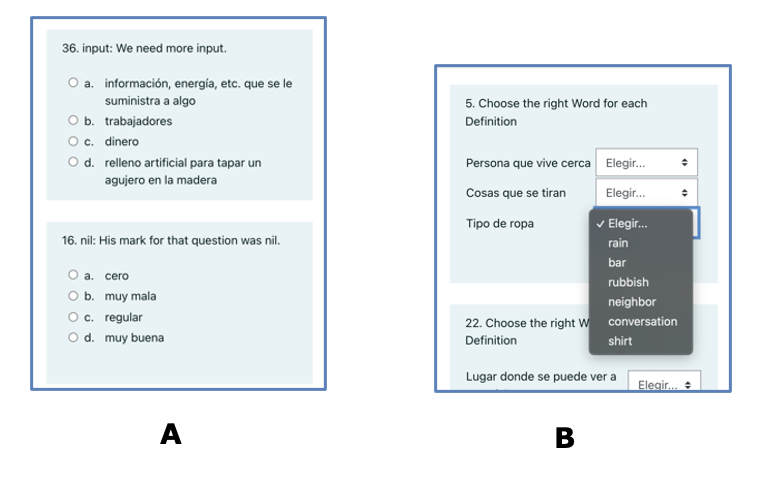
Figure 1. Excerpts from vocabulary tests. (A: VST, B: SVLT). Source: Esquivel-Gámez & Berthely-Barrios (2024).
Training
A virtual environment platform was used to enhance vocabulary and the adaptation of a software originally to measure WM capacity. The particularities of each of them are mentioned in detail below.
Vocabulary. A Moodle course was developed for hosting multimedia resources. The course has five sections, corresponding to levels 1000 to 5000 of the tests used (Forms A and B), and, in each, there are several lessons with one of the three pathways (Figure 2). Each lesson presented the content flexibly, allowing participants to evaluate their progress and reinforce the topics. They were instructed to review each lesson at least three times to reinforce the new vocabulary.
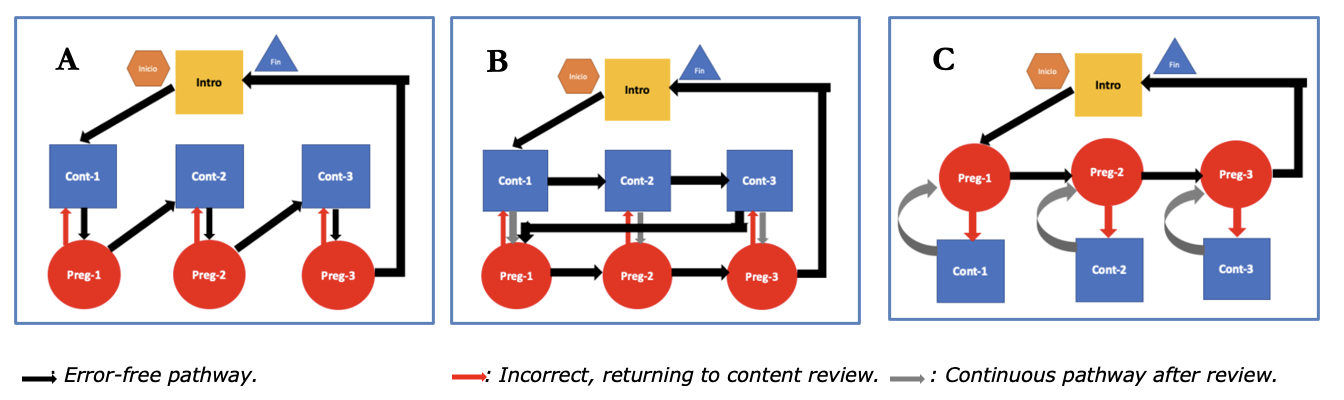
Figure 2. Lesson pathways. Source: Esquivel-Gámez & Berthely-Barrios (2024).
Figure 2 shows the pathways of access to content and questions. In Path A, the first content is reviewed, and then the corresponding question appears. If answered correctly, content two is presented and this order continues until the end of the lesson. If the answer is incorrect, the corresponding content must be reviewed again. Path B presents the contents consecutively, and then the questions appear consecutively. If some are not answered correctly, the corresponding content will be displayed again. Path C shows the questions sequentially if answered correctly; otherwise, the corresponding content is presented for review. This last arrangement (Path C) is due to the presentation of contents and questions associated with cognates, which were assumed to be better known.
According to Teng and Zhan (2021), multiple types of stimuli for a word encourages students to look up the meaning of words actively, thereby reinforcing memorization. Hence, in the case of words that do not represent cognates, a content (Figure 3A) includes two to four words to learn. These are initially shown in capital letters within an English sentence and with their Spanish translation while listening to the audio in English. Then, each word is presented in English along with its audio, an allusive image, then in Spanish, to finally show a video that presents a mime acting the word, which the student must imitate. Regarding the cognates (Figure 3B), the written word and audio in English, the Spanish word with a distorting effect, and the definition is shown. The questions (Figure 3C) are symmetrically associated and present the words in English and Spanish.
Working memory
An adaptation of the NeuronsWorkout software was used, validated in Esquivel-Gámez, et al. (2018), which contains several complex span tasks[1] oriented to measure the WM capacity of both verbal and visuospatial stimuli. The tasks include three phases (storage, processing, and recalling). For the present case, it was decided to use only verbal domain tasks (counting, reading, and operations). Each task has four levels and three trials, with several stimuli to be memorized (storage), ranging from two to five in each attempt according to the level. Between each stimulus, a distracting element appears, and the response (processing) which the participant must select from two options. When the previous phases end, the memorized stimuli must be entered in the order of appearance (recalling) to obtain a higher score. Thus, in the reading span task, a sentence is shown, the participant must determine whether this sentence is logical or not, and then the person must memorize a letter that appears. In the operation span task, an arithmetic operation appears. Participants must verify whether the result is correct and then store a word. As for the counting span task, geometric figures of three colors appear. Participants must count only the blue circles and mark if the number is even or not. This number should be memorized and registered.
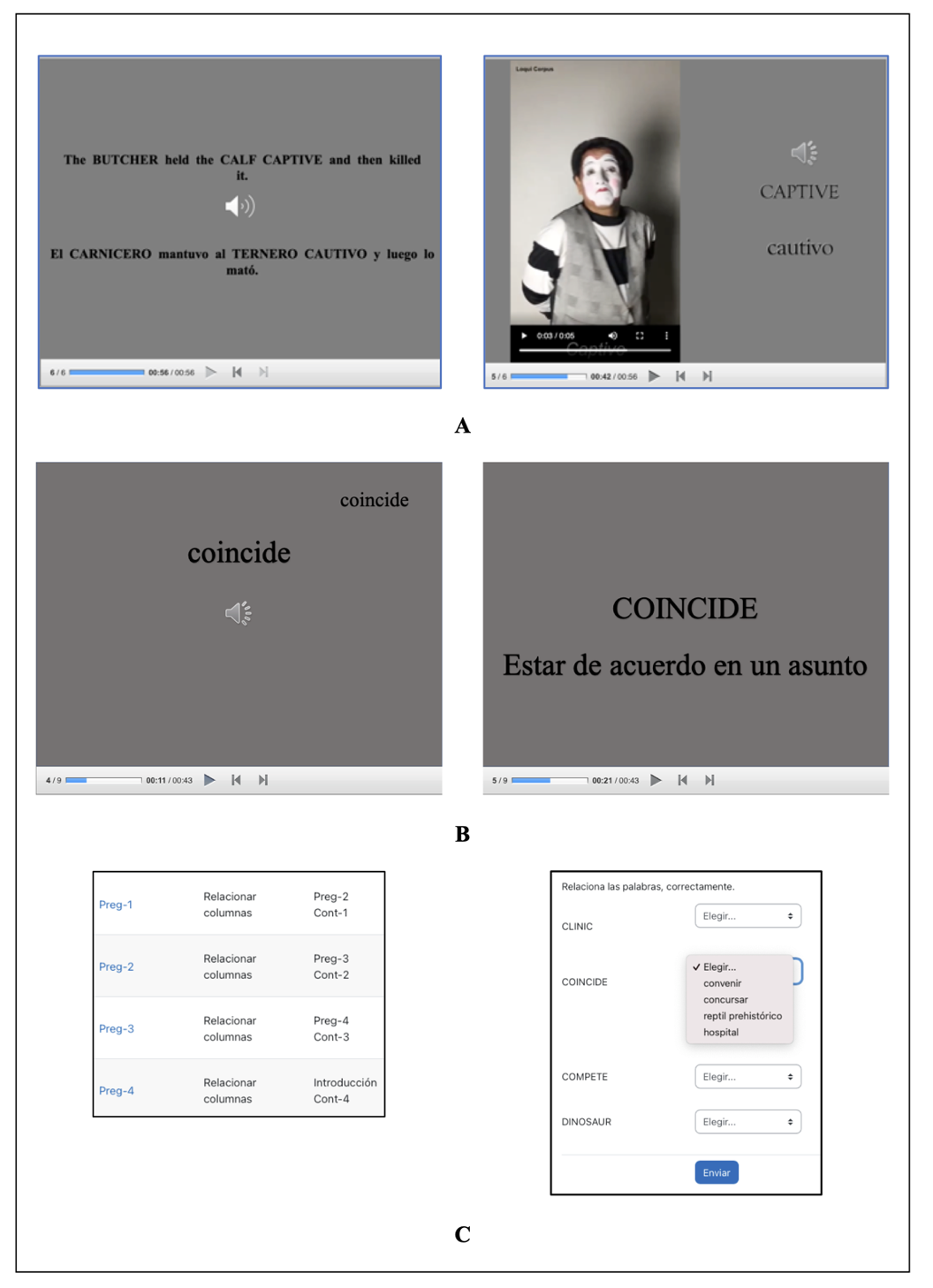
Figure 3. Example of contents and questions in a lesson. Source: Esquivel-Gámez & Berthely-Barrios (2024).
The adaptation consisted of using English words in the storage phase of the tasks of reading (prepositions, pronouns, spelling of letters) and operations (names of animals). The phrases and operations used in the processing phase also changed to form four versions. Participants worked with a new version in every third training session to promote greater dynamism. In addition, instead of handling four levels, the adapted software used five, presented randomly, so that the participant, between trials, had to memorize and process different amounts of stimuli (from two to six), also presented randomly. The counting task was only used so students could rest from handling phrases, words, and operations.
Results
For data processing, SPSS V15.0 software with statistical tests applicable according to the normal distribution of data were chosen. To find intergroup differences during the pre-test, ANOVA and Kruskal-Wallis were used. For the intragroup difference between the pre-test and post-test, Student t and Wilcoxon were applied. The Kruskal-Wallis test and a post-hoc analysis based on the Games-Howell test were applied to compare the post-test means by independent groups. The G*Power V3.1 software was also used to determine the statistical power in the post-test mean difference between groups, according to the sample sizes and the effect size achieved. Additionally, correlation tests (Pearson’s r and Spearman’s rho) were run to verify the effect of training on those who obtained the lowest initial scores. In the pre-test results, there was no significant difference between the means of the groups; therefore, it was possible to continue with their initial conformation. Regarding the intragroup comparison (Table 1), the corresponding effect sizes are also shown in addition to the descriptive data and the difference between the two measurement sessions.
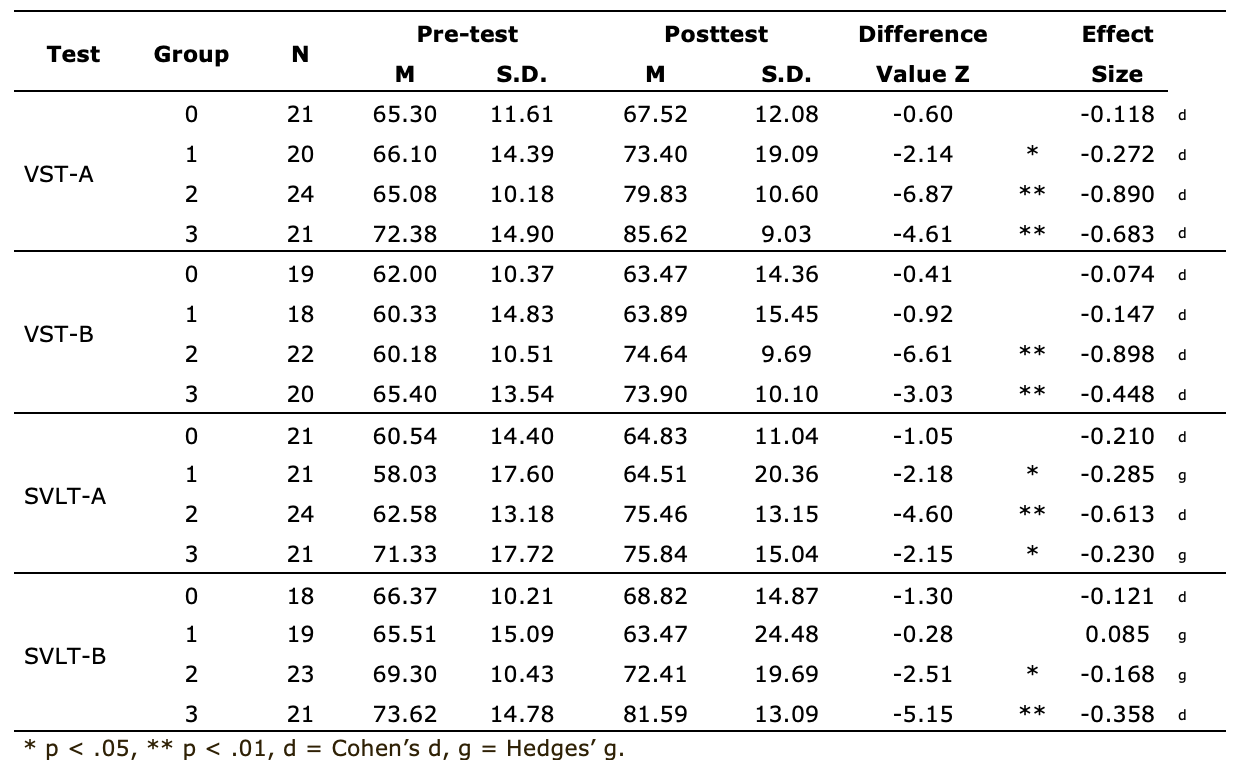
Table 1: Descriptive of pre- and post-training test scores.
There was no gain for the control group on any of the tests and, on two of them, for the trained group only in vocabulary. The effect size (Cohen, 2013) was smaller (?0.2) in the differences of VST-A (Group 1), SVLT-A (Groups 1 and 3), and SVLT-B (Groups 2 and 3) tests. Similarly, the effect size was median (?0.5) in VST-A (Group 3), VST-B (Group 3), and SVLT-A (Group 2) tests. Only for VST-A and VST-B (Group 2), the effect size was more significant (>0.8). In addition, the required effect size, according to the size of each sample and a statistical power more significant than 80%, was met for Group 3 in the VST-A test and in the VST-A, VST-B, and SVLT-A tests for Group 2.
For the post-test intergroup comparison, a series of Kruskal-Wallis tests were conducted on each of the four vocabulary tests. As seen in Table 2, the results were all statistically significant (p<0.05), suggesting vocabulary group differences in all the tests.
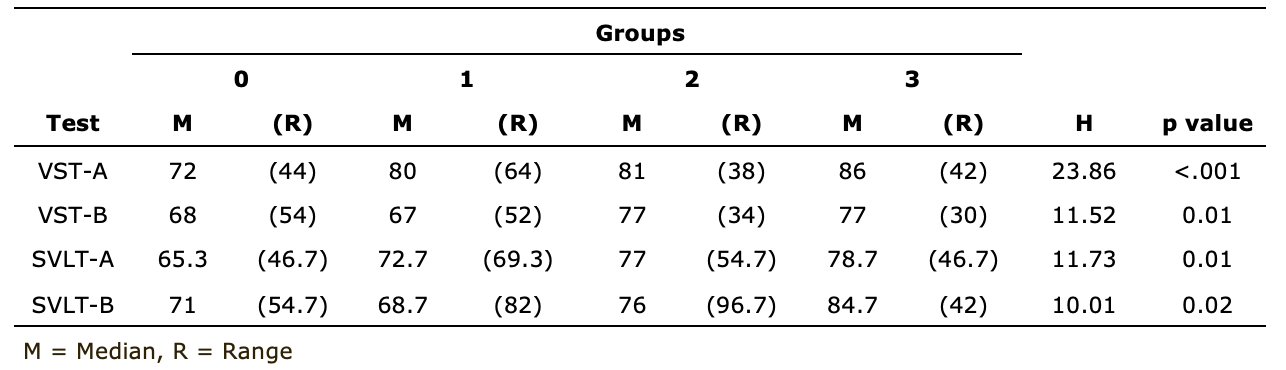
Table 2: Vocabulary comparison between groups in the post-test.
A series of post hoc analyses (Games-Howell tests) were conducted, as seen in Table 3, to examine individual mean difference comparisons across the four groups and all four tests.
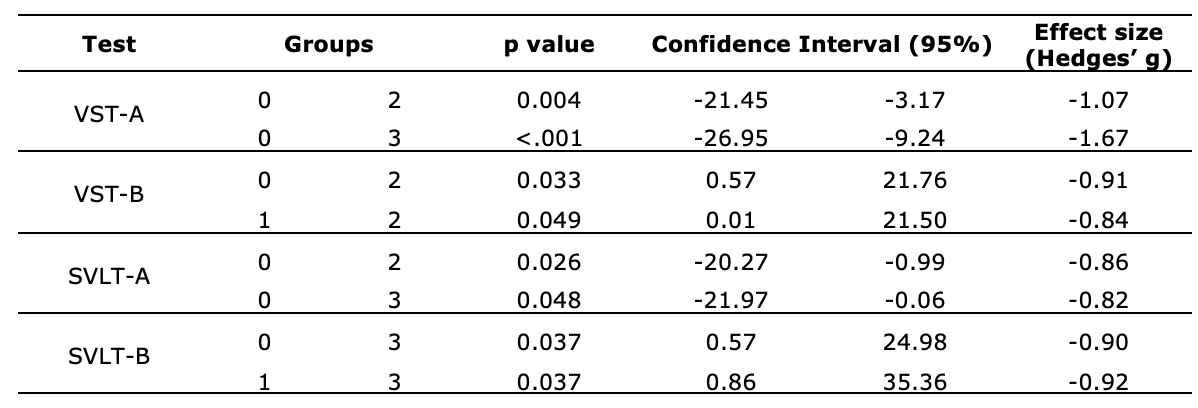
Table 3: Post-test mean differences post hoc analysis.
Experimental Group 2 scored higher in the VST-A, VST-B, and SVLT-A tests than the control group. Likewise, experimental Group 3 outperformed the control group in VST-A, SVLT-A, and SVLT-B tests. Interestingly, the groups that received additional training in WM had higher scores than those trained only in vocabulary for the VST-B and SVLT-B tests. According to the effect sizes achieved and the sample sizes, using the G*Power 3.1 software, a statistical power more significant than 80% was found in all cases.
In addition, when performing the correlation tests, the most significant gains occurred in those who obtained lower scores during the pre-test, mainly in the two groups also trained in WM, except in the SLVT-B test (Table 4).
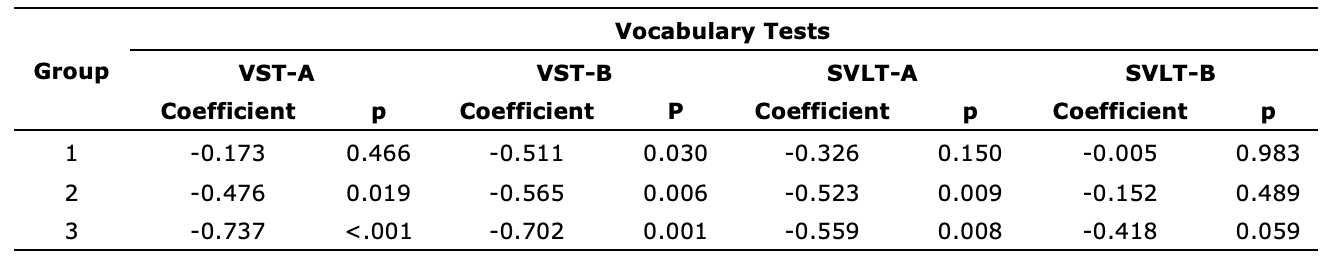
Table 4: Levels of association between gains and initial scores.
Regarding training, Table 5 shows the number of trials and successes (Hits), as well as the rate of these and trials, for each group and task-level. For both groups, the rate of hits/trials was 100% in the Counting task, because, compared to the other two tasks, the participant has low requirements in both the processing and memorization phases. In both groups, the mean hit/trial rate was higher in reading than in operations, possibly because the load of processing arithmetic operations affected memorization, rather than indicating whether a phrase was logical. The marked difference in the number of trials was because Group 3 had daily WM training sessions and Group 2 had them every other day. However, despite the above, the overall mean rate was similar (0.77 vs. 0.72). Additionally, the higher number of trials in level one with respect to the other four levels occurred since the software adaptation left it as the initial one and therefore, every time the task was started, it was started with that level. Also, as expected, levels four and five had the lowest hit/trial rates in both groups.
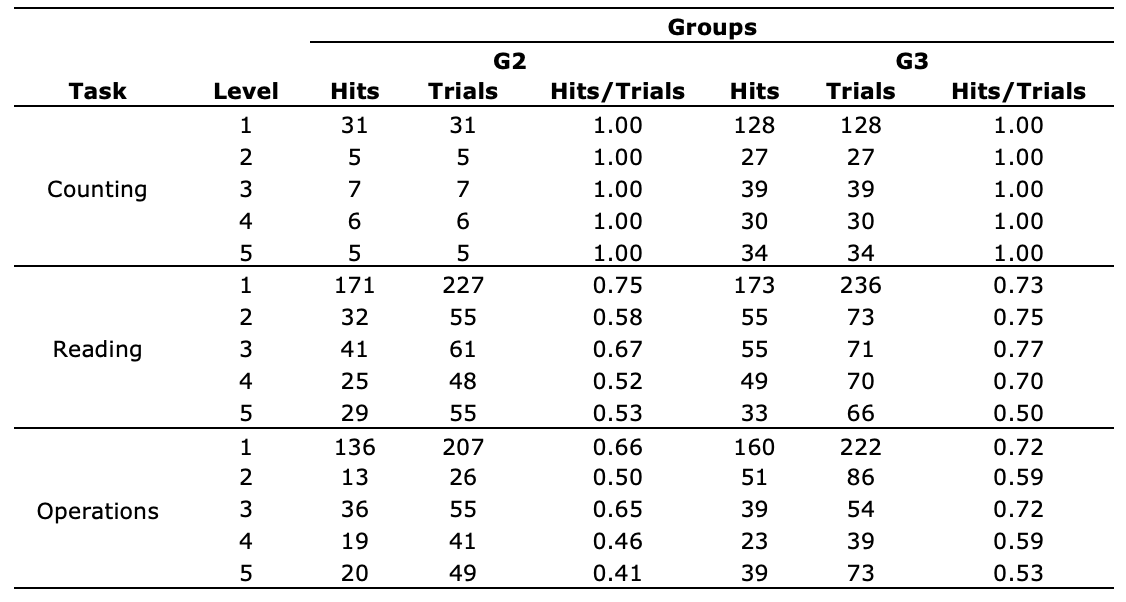
Table 5: WM training figures by group.
Discussion
Like the multimedia content used in this work and according to Tavasoli et al. (2020), when verbal and visual stimuli are shown contiguously, learners are likely to make better referent connections than when these stimuli are presented separately. In addition, participants completed the lessons using different paths, adding more dynamism to the learning activities.
Regarding the main objectives of this study, the results of the VST-A and SVLT-A tests demonstrated that groups who were only trained in multimedia resources improved in vocabulary learning. These results are consistent with those of Anjum et al. (2021), who also studied the use of multimedia resources and found the same improvement in the vocabulary of the participants. The results of this study also matched those of Rahimi and Allahyari (2019), who argued that the increase in vocabulary was due to the multimodality to which students were exposed when incorporating multimedia resources into the VLS teaching process. The same was the case when our results were compared to Teng (2022) which showed that the groups exposed to multimedia resources (especially definitions, word information, and video training conditions) scored significantly higher than the other groups. Additionally, Ramezanali and Faez's (2019) results showed that glossing modes were positively effective for the immediate and delayed retention of vocabulary by learners.
Contrary to those previous findings, our results from the post-test did not present any significant difference between the means of the experimental Group 1 (only exposed to multimedia resources) and the control group.
As seen before, previous studies (Rahimi & Allahyari, 2019; Ramezanali & Faez, 2019) show the positive impact of multimedia resources themselves on vocabulary learning, which disagrees with our findings. One possible explanation is that unlike the WM-trained groups, the cognitive load during their training was less demanding and perhaps boring, as once the novelty of using multimedia resources wore off, the level of interest dropped.
According to the secondary objective, the results can be interpreted as having a greater impact on vocabulary learning, with respect to the control group, when multimedia resources and WM training were combined. With the exception of the SVLT-B test, participants with lower pretest scores exhibited the most significant gains. This was possibly because, being the last test applied in both measurement sessions, fatigue may have been present.
It is important to specify that explicit WM training tasks were used, as in Godes (2019). However, the difference between the present study and Godes’s is that effects have been sought in vocabulary instead of grammar and are supported by multimedia resources. Godes felt that one dollar per training session, offered as monetary compensation, did not compensate for the effort involved in completing a session (20 minutes). Hence, although he observed improvements in near-transfer tasks, there was no noticeable improvement in far-transfer when it came to grammar learning. In the study by Ibarra Santacruz et al. (2020), where they employed game-based strategies to improve information retention and WM, our findings align with theirs in terms of vocabulary enhancement. However, in contrast to their approach, the combination of WM training and multimedia resource-based training has led to significant improvements in vocabulary, particularly compared to the control group.
By way of a possible explanation, this may have been because, unlike the complex span tasks used in other works, in the present case, the participants did not have the option of selecting the memorized words, and therefore they had to write them in boxes. This implies that they needed to check whether the words were correctly spelled, so their attentional level should have improved. In addition, to successfully solve a level, the participant needs to reach 90% or more of both processed and memorized items, which may have resulted in higher concentration. The above-mentioned is consistent with Ansarin and Khabbazi (2021), who supported the idea that WM is more involved when performing high-load tasks. Furthermore, following Teng and Zhang (2021), when learning words from multimedia input, as in the present study, the storage and manipulation of information represented in WM, are essential to internalize multimedia stimuli for future use.
According to Martin and Ellis (2012), who hypothesized that PSTM supports the solidification of phonological representations in long-term memory, a possible increase in PSTM due to WM training could improve vocabulary. This hypothesis of Martin and Ellis is also supported by Lee and Révész (2021), who indicated that participants with higher PSTM could retain novel vocabulary longer, increasing the likelihood that traces are recorded in long-term memory.
Also, in the WM training tasks, the participants randomly faced different levels, changing the number of items to process-memorize, possibly impacting cognitive flexibility. Similarly, Martin and Ellis (2012) surmised that since WM helps maintain relevant information when processing complex operations, the spare capacity allows attention to be given to task-relevant features. Furthermore, in line with Lee and Révész (2021), the participants could possibly have been allowed to encode better and control the relevance of incoming information, which may have facilitated attention to questions and response options in the vocabulary post-test.
Finally, in the WM training, the similar hit/trial rate between the groups seems to indicate that the higher number of trials of Group 3 over Group 2 did not influence the differences in the post-test means with respect to the group trained only with multimedia resources. Both groups outperformed the latter in one single test. Also, since both WM-trained groups had an advantage over the other two and none between these groups, test-retest effects are ruled out for Group 3, whose period between measurement sessions was shorter.
Conclusions
This study examined the effects of combining multimedia-based vocabulary training with working memory (WM) tasks in English as a foreign language (EFL) learning by university students. The results showed that vocabulary gains can be attributed to the treatment rather than to other variables, as all groups had similar pre-test scores. Participants who received both multimedia and WM training demonstrated greater vocabulary improvement than those who used multimedia resources alone, confirming the benefits of integrating cognitive and linguistic instruction.
These outcomes highlight the potential of multimedia environments to enhance lexical development when paired with memory-based activities. The implementation of both types of training was facilitated by reliable internet access and virtual platforms, suggesting that institutions with similar infrastructure can successfully replicate this approach. Moreover, the software’s automatic recording of performance and scores enables teachers to monitor learners’ progress with minimal supervision.
Nevertheless, this study had some limitations. WM capacity was not measured at the end of the intervention, and no group received only WM training, which restricts conclusions about far-transfer effects. Future studies should include such a group, assess post-training WM capacity, and explore whether training the storage component alone produces different outcomes. Additionally, research could investigate the impact of visuospatial WM training and replicate the intervention with advanced learners using higher-level vocabulary.
Overall, these findings underscore the pedagogical value of integrating multimedia resources with WM-based training to support autonomous and cognitively engaged vocabulary learning in EFL contexts.
References
Afzal, N. (2019). A study on vocabulary-learning problems encountered by BA English majors at the university level of education. Arab World English Journal, 10(3), 81-98. https://doi.org/10.2139/ssrn.3465990
Ahmadi, M. R. (2018). The use of technology in English language learning: A literature review. International Journal of Research in English Education, 3(2), 115-125.https://doi.org/10.29252/ijree.3.2.115
Anjum, R., Memon, S., Pathan, H., Wasi, D., Arslan Raheem, M., & Mushtaq, F. (2021). Teaching vocabulary through CAVI: An action research project. İlköğretim Online, 20(3), 284-297. https://doi.org/10.17051/ilkonline.2021.03.28
Ansarin, A. A., & Khabbazi, S. K. (2021). Task-induced involvement load and working memory: Effects on active and passive vocabulary knowledge of EFL learners in a multimedia learning environment. Eurasian Journal of Applied Linguistics, 7(1), 277-302. https://doi.org/10.32601/ejal.911288
Baddeley, A. (2012, January 10). Working memory: Theories, models, and controversies. Annual Review of Psychology, 6, 1–29. https://doi.org/10.1146/annurev-psych-120710-100422
Halima, B. (2022). La enseñanza del vocabulario: Hacia una competencia léxica [The teaching of vocabulary: Toward lexical competency]. Hispanical, 1(1), 25-33. https://asjp.cerist.dz/en/article/185019
Bonilla, P. A. (2019). Memoria operativa verbal, comprensión verbal y rendimiento académico en niños de primero [Operative verbal memory, oral comprehension and academic success in students in first grade; Unpublished master’s thesis], Universidad Internacional de La Rioja.https://reunir.unir.net/handle/123456789/9649
Cabero Almenara, J., Piñero Virué, R., & Reyes Rebollo, M. M. (2018). Material educativo multimedia para el aumento de estrategias metacognitivas de comprensión lectora [Multimedia educational material for increasing metacognitive strategies for reading comprehension]. Perfiles Educativos, 40(159), 144-159. https://doi.org/10.22201/iisue.24486167e.2018.159.58042
Casimiro Perlaza, L. F., & Fuentes González, C. V. (2020). Uso de tecnologías y enseñanza de vocabulario académico en inglés [Using technologies and teaching academic vocabulary in English]. Revista Gestión I+D, 5(2), 83–110. https://dialnet.unirioja.es/servlet/articulo?codigo=7863442
Castellano-Risco, I. (2018). La importancia de seleccionar instrumentos apropiados para medir el tamaño de vocabulario receptivo [The importance of selecting appropriate instruments to measure receptive vocabulary size]. International Journal of Foreign Languages, (8), 47-64. https://doi.org/10.17345/rile8.2426
Chai, Y. (2022). The effect of working memory capacity on second language acquisition. Proceedings of the 2021 International Conference on Education, Language and Art (ICELA 2021), 129-134. https://doi.org/10.2991/assehr.k.220131.023
Chen, C., & Liu, Y. (2020). The role of vocabulary breadth and depth in IELTS academic reading tests. Reading in a Foreign Language, 32(1), 1-27. https://nflrc.hawaii.edu/rfl/item/437
Cheng, J., & Matthews, J. (2018). The relationship between three measures of L2 vocabulary knowledge and L2 listening and reading. Language Testing, 35(1), 3-25. https://doi.org/10.1177/0265532216676851
Cohen, J. (2013). Statistical power analysis for the behavioral sciences. Routledge.
Conway, A. R. A., Kane, M. J., Bunting, M. F., Hambrick, D. Z., Wilhelm, O., & Engle, R. W. (2005). Working memory span tasks: A methodological review and user’s guide. Psychonomic Bulletin & Review, 12(5), 769-786. https://doi.org/10.3758/BF03196772
Ellingsen, V. J., & Engle R. W. (2019). Cognitive approaches to intelligence. In R. J. Sternberg (Ed.), Human intelligence: An introduction (pp. 104-138). Cambridge University Press.
Esquivel-Gámez, I., & Berthely-Barrios, J. C. (2024). Tareas de memoria operativa y recursos multimedia en la adquisición de vocabulario en inglés [Working memory tasks and multimedia resources in English vocabulary acquisition]. IE Revista de Investigación Educativa de la REDIECH, 15. https://doi.org/10.33010/ie_rie_rediech.v15i0.2096
Esquivel-Gámez, I., Martínez-Olvera, W., Galvez-Buenfil, K. E., Barrios-Martínez, F. L., López-Azamar, B., Córdoba-Del Valle, R., & Medina-Cruz, H. (2018). NeuronsWorkOut: Experiencias en su aplicación para medir la capacidad de la memoria operativa [NeuronsWorkOut: Experiences in its application to measure the capacity of working memory]. In I. Esquivel-Gámez, G. Aguirre, R. Edel, & J. Balderrama (Eds.), Memoria operativa: Medición y propuesta para su desarrollo, apoyadas en TIC. Porrúa.
Finn, P. R., Nemes, L., Bailey, A., Gunn, R. L., Wiemers, E. A., & Redick, T. S. (2022). The effects of working memory versus adaptive visual search control training on executive cognitive function. Journal of Cognitive Enhancement, 6(3), 327-339. https://doi.org/10.1007/s41465-022-00241-y
Godes, J. (2019). Second language acquisition and memory training transfer: Could working memory training facilitate the learning of a second language? [Unpublished undergraduate thesis] University of Vermont. https://scholarworks.uvm.edu/hcoltheses/303
Gunn, R. L., Gerst, K. R., Wiemers, E. A., Redick, T. S., & Finn, P. R. (2018). Predictors of effective working memory training in individuals with alcohol use disorders. Alcoholism: Clinical and Experimental Research, 42(12), 2432–2441. https://doi.org/10.1111/acer.13892
Green. S. C., Bavelier, D., Kramer, A., Vinogradov, S., Ansorge, U., Ball, K., Bingel, U., Chein, J. M., Colzato, L. S., Edwards, J. D., Facoetti, A., Gazzaley, A., Gathercole, S. E., Ghisletta, P., Gori, S., Granic, I., Hillman, C. H., Hommel, B., Saeggi, S. M....Granic, I. (2019). Improving methodological standards in behavioral interventions for cognitive enhancement. Journal of Cognitive Enhancement, 3(1), 2–29. https://doi.org/10.1007/s41465-018-0115-y
Ibarra Santacruz, D., Hidalgo Dávila, H. A., & Paredes Castillo, E. S. (2020). Games for working memory training in foreign language learning. MEXTESOL Journal, 44(4). https://www.mextesol.net/journal/index.php?page=journal&id_article=22082
Kabooha, R., & Elyas, T. (2018). The effects of YouTube in multimedia instruction for vocabulary learning: Perceptions of EFL students and teachers. English Language Teaching, 11(2), 72-81. https://doi.org/10.5539/elt.v11n2p72
Kohnke, L., Zhang, R., & Zou, D. (2019). Using mobile vocabulary learning apps as aids to knowledge retention: Business vocabulary acquisition. Journal of Asia TEFL, 16(2). https://doi.org/10.18823/asiatefl.2019.16.2.16.683
Lee, M., S. P., & Révész, A. (2021). The role of working memory in attentional allocation and grammatical development under textually-enhanced, unenhanced and no captioning conditions. Journal for the Psychology of Language Learning, 3(1), 6-25. https://doi.org/10.52598/jpll/3/1/1
Li, S. (2017). Cognitive differences and ISLA. In S. Loewen & M. Sato (Eds.), The Routledge handbook of instructed second language acquisition. Routledge.
Loprinzi, P. D., & Frith, E. (2018). The role of sex in memory function: Considerations and recommendations in the context of exercise. Journal of Clinical Medicine, 7(6).https://doi.org/10.3390/jcm7060132
Marecka, M., Szewczyk, J., Otwinowska, A., Durlik, J., Foryś-Nogala, M., Kutyłowska, K., & Wodniecka, Z. (2021). False friends or real friends? False cognates show advantage in word form learning. Cognition, 206. https://doi.org/10.1016/j.cognition.2020.104477
Martin, K. I., & Ellis, N. C. (2012). The roles of phonological short-term memory and working memory in L2 grammar and vocabulary learning. Studies in Second Language Acquisition, 34(3), 379-413.https://doi.org/10.1017/s0272263112000125
Masrai, A. (2019). Vocabulary and reading comprehension revisited: Evidence for high-, mid-, and low-frequency vocabulary knowledge. SAGE Open, 9(2). https://doi.org/10.1177/2158244019845182
Nation, P. (2021). Is it worth teaching vocabulary? TESOL Journal, 12(4). https://doi.org/10.1002/tesj.564
Nation, P., & Beglar, D. (2007). A vocabulary size test. The Language Teacher, 31(7), 9-12.
Nesrallah, O., & Zangana, I. M. (2020). Impact of social media in learning EFL Iraqi students new words. Utopía y praxis latinoamericana, 25(Esp. 1), 436-449.
Novoa Lagos, A. (2019). Complejidad textual, vocabulario pasivo y comprensión lectora en escolares chilenos de segundo ciclo básico [Text complexity, passive vocabulary, and reading comprehension in Chilean students in the second cycle of basic education]. Literatura y Lingüística, (40), 251-272. http://dx.doi.org/10.29344/0717621x.40.2068
Rahimi, M., & Allahyari, A. (2019). Effects of multimedia learning combined with strategy-based instruction on vocabulary learning and strategy use. SAGE Open, 9(2). https://doi.org/10.1177/2158244019844081
Ramezanali, N., & Faez, F. (2019). Vocabulary learning and retention through multimedia glossing. Language Learning & Technology, 23(2), 105-124. https://doi.org/10125/44685
Redick, T. S., Wiemers, E. A., & Engle, R. W. (2019). The role of proactive interference in working memory training and transfer. Psychological Research, 84(6), 1635–1654. https://doi.org/10.1007/s00426-019-01172-8
Sánchez Piragauta, A. (2022). Implementación de una estrategia pedagógica a través de una aplicación móvil para mejorar la comprensión de lectura y adquisición de vocabulario del inglés de los estudiantes del programa de Licenciatura en lenguas extranjeras con énfasis en Inglés. [Implementation of a pedagogical strategy through a mobile application to improve reading comprehension and English vocabulary acquisition among students in the Bachelor's program in Foreign Languages with an emphasis on English, Unpublished masters thesis] Universidad Nacional Abierta y a Distancia.https://repository.unad.edu.co/handle/10596/47703
Schmitt, N., Schmitt, D., & Clapham, C. (2001). Developing and exploring the behaviour of two new versions of the vocabulary levels test. Language Testing, 18(1), 55-88. https://doi.org/10.1177/026553220101800103
Serafini, E. J., & Sanz, C. (2016). Evidence for the decreasing impact of cognitive ability on second language development as proficiency increases. Studies in Second Language Acquisition, 38(4), 607-646. https://doi.org/10.1017/s0272263115000327
Soares-Silva, J., Brandão, L. H. M., Góes, L. D. N., Silva, B. L. G., Barbosa, G., Ferreira, J. L. S., & Benevides, L. A. (2021). A proposal for recalibration of a vocabulary levels test as diagnosis of late bilinguals’ L2 proficiency. Revista Signos, 42(2), 265-276. https://doi.org/10.22410/issn.1983-0378.v42i2a2021.3027
Suárez, M. del M., Gilabert, R., & Moskvina, N. (2021). The mediating role of vocabulary size, working memory, attention and inhibition in early vocabulary learning under different TV genres: An exploratory study. TESOL Journal, 12(4). https://doi.org/10.1002/tesj.637
Suratman, Salamah, U., Amini, S., & Navisa, F. D. (2023). Independent learning-independent campus: From the perspective of justice and utilitarian theories. Law and Humanities Quarterly Reviews, 2(1), 34-43. https://doi.org/10.31014/aior.1996.02.01.49
Tavasoli, M. R., Mowlaie, B., Majid, M. A., & Rahimi, A. (2020). The comparative effects of different gloss types through screencast on vocabulary learning and working memory of Iranian EFL learners. International Journal of New Trends in Social Sciences, 4(1), 10-24. https://doi.org/10.18844/ijntss.v4i1.4809
Teng, M. F. (2022). The effectiveness of multimedia input on vocabulary learning and retention. Innovation in Language Learning and Teaching, 17(3), 738–754. https://doi.org/10.1080/17501229.2022.2131791
Teng, M. T. F., & Zhang, D. (2021). The associations between working memory and the effects of multimedia input on L2 vocabulary learning. International Review of Applied Linguistics in Language Teaching, 61(3), 1021-1049. https://doi.org/10.1515/iral-2021-0130
Toaquiza Viracocha, M. R. (2018). El cuento corto en el aprendizaje de vocabulario del idioma inglés en los estudiantes de octavo año de la unidad educativa fiscal mixta “Gran Bretaña” de la ciudad de Quito año lectivo 2017-2018 [The short story in the learning of English vocabulary among eighth-grade students at the "Great Britain" co-educational public school in Quito, school year 2017-2018, Unpublished undergraduate thesis] Universidad Central del Ecuador. http://www.dspace.uce.edu.ec/handle/25000/14527
Wei, M. (2018). An examination of vocabulary learning of college-level learners of English in China. Asian EFL Journal, 9(2), 93-114.
Wiemers, E. A., Redick, T. S., & Morrison, A. B. (2019). The influence of individual differences in cognitive ability on working memory training gains. Journal of Cognitive Enhancement, 3, 174-185. https://doi.org/10.1007/s41465-018-0111-2
Yu-Ling, L. (2005). Teaching vocabulary learning strategies awareness, beliefs, and practices: A survey of Taiwanese EFL senior high-school teachers [Unpublished master’s thesis] University of Essex.
[1] Complex span tasks are cognitive tasks designed to assess working memory capacity by requiring participants to simultaneously process information and retain a separate set of items for later recall (Conway et al., 2005).