

Introduction
Organizational commitment is a crucial factor that may reduce teacher turnover intentions and as a result, overall attrition (McInerney et al., 2015). It is defined as a psychological state that pictures an employee’s relationship with their organization and their likelihood of continuing that relationship (Farrukh et al., 2017). Teacher turnover (also burnout or attrition) has become a pressing problem at schools (Hanson, 2013; Reichl et al., 2014) and has become the centre of attention for teacher educators and school authorities (Hancock & Scherff, 2010; Hanson, 2013; Madigan & Kim, 2021).
Turnover has been defined as “an individual's intention to leave the organization one is working for or to quit one's profession and move to a different career pathway” (McInerney et al., 2015, p. 11). Al Jabri and Ghazzawi's (2019) study on retention and turnover revealed that organizational commitment is one of the chief predictors of turnover. Other studies have shown that organizational commitment is a predictor of higher motivation, higher job satisfaction, lower turnover, and higher retention (Bucăţa et al., 2022; Klassen & Chiu, 2011; Safari, 2020).
Another important factor that can diminish teacher attrition is job satisfaction since when teachers feel dissatisfied with their careers, they leave their jobs. Job satisfaction is defined by Van Maele and Van Houtte (2012,) as “teachers’ overall satisfaction with work, which is assessed as perceiving the job to be fascinating, creative, useful, challenging, and so forth” (p. 879). Research has disclosed that associations between job satisfaction and teacher burnout, efficacy, stress, and job commitment (Grayson & Alvarez, 2008; Safari 2020; Wang, 2020). Besides, previous research has shown that turnover can mar student learning and achievement (Ronfeldt et al., 2011), although some research studies have reported that organizational commitment and job satisfaction contribute to teacher retention and slow teacher turnover (Shah et al., 2017).
In the Iranian context, public school teachers have a high attrition rate. These teachers begin their careers enthusiastically, but this evaporates in a couple of years. Several factors might be accountable for their disillusionment, one of which is their low salaries which are not even sufficient for subsistence. A typical public-school teacher in Iran is paid about one or two dollars per class. Living under such harrowing circumstances, these teachers prefer to abandon their jobs as soon as they can find a better source of income. Suffering from such a high attrition rate, public schools cannot provide high-quality education to the learners. Also, some teachers who continue in the classroom are forced to take up another job other than teaching in their spare time to make ends meet, which makes them weary and lifeless and prevents them from providing quality services.
The literature is full of studies that have examined the factors that bring about job (dis)satisfaction among employees in organizational contexts (Anin et al., 2015; Hee et al., 2018; Janićijević et al., 2015; Rahman et al., 2017). and among teachers in school settings (Okeke & Mtyuda, 2017; Song & Mustafa, 2015). However, no study, as far as the review of the literature revealed, has examined the association between organizational commitment and job satisfaction among public school English teachers, which has become a serious problem plaguing Iran. The present study examines the association between organizational commitment and the job satisfaction of public school English teachers with respect to their age, gender, and experience. It is hoped that the present investigation into this unchartered area in the field of language teaching and learning can help stop or slow down teacher attrition.
Literature Review
Theoretical framework
Job satisfaction
Robbins (2005, as cited in Sony & Mekoth, 2016) defined job satisfaction as “a collection of feelings that an individual holds toward his or her job” (p. 24). Job satisfaction is also defined as meeting teachers' job-related needs (Toropova et al., 2021). Three aspects of job satisfaction were identified by Hussein (2018) and Pehlivanoğlu and Civelek (2019): depersonalization, emotional exhaustion, and personal accomplishments. Depersonalization refers to an individual teacher feeling indifference and sometimes negative attitudes toward others. Emotional exhaustion takes place when an individual is emotionally depleted and has psychologically nothing to give anymore. Personal accomplishments refer to a teacher’s subjective perception of efficacy and effectiveness in his teaching career. Although job satisfaction is conceptualized and researched as having multiple dimensions, the present study investigates it as a unitary construct, giving it a holistic treatment and disregarding its subscales or dimensions. The topic is important since previous research has documented positive associations between job satisfaction and teachers’ retention (Omar et al., 2017; Toropova et al., 2020). The more teachers are satisfied with their jobs, the more likely they are to stay with their professions. (Ansah-Hughes, 2016; Okeke & Mtyuda, 2017).
Organizational commitment
Organizational trust, identification, and commitment are three major streams of research dealing with psychological attachment to or bonding with organizations, among which organizational commitment is the one which has been most researched (Ng, 2015). It has been conceptually defined as an employee's emotional response toward his organization (Agrawal & Gangai, 2016). Along with job satisfaction, organizational commitment has become one of the most intensively investigated work-related attitudes (Adu Gyamfi et al., 2017). Organizational commitment is also defined as “identification with the goals and values of the organization, a desire to belong to the organization and a willingness to display effort on behalf of the organization.” (McInerney et al., 2015, p.11). Organizational commitment includes the idea that members of an organization “wish to be active players in that organization, have an impact on what is going on in it, feel that they have high status within it, and are willing to contribute beyond what is expected of them” (Bogler & Somech, 2004, as cited in Hulpia & Devos, 2010, p. 566). It has been reported to be a strong predictor of teacher effectiveness, which brings about higher job effort and involvement on the part of committed teachers (Dee et al., 2006). While organizational commitment is often defined as “a unitary construct” (McInerney et al., 2015, p. 11), Allen & Meyer (1993) conceptualize it as a multidimensional construct, which has three components: The affective component is defined as the employee's feelings of emotional affinity with the organization; The continuance component is the employee's staying with the organization due to the perceived risk of leaving it, and the normative component is defined as an employee's staying with the organization out of the perceived feelings of obligation and duty (Amponsah-Tawiah & Mensah, 2016). All three components of organizational commitment have been consistently shown to be negatively correlated with employee attrition and turnover (Gajenderan et al., 2023 ).
Empirical studies
Job satisfaction and organizational commitment at schools
Research has documented that employees who show more satisfaction with their jobs display higher levels of loyalty to their institutions (Stirpe et al., 2022). In the same vein, teachers’ possibility of quitting their professions is also correlated with the extent to which they feel satisfied with their careers (Skaalvik & Skaalvik, 2011). In school contexts, a considerable number of studies have examined the factors which bring about job (dis)satisfaction among teachers (Admiraal & Røberg, 2023; Sarkhosh & Alinasab, 2024). The socio-demographic composition of the school (Stearns et al., 2014) and organizational culture (Hutabarat, 2015) have been reported to relate to job (dis)satisfaction among teachers. Teacher disempowerment (Ahrari et al., 2021) and the negative conditions at work (Miller et al., 2022) have also been reported to positively correlate with job dissatisfaction among both public and private school teachers.
Xu and Pang (2024) investigated how and under what circumstances a principal's true leadership impacted on the teachers’ organizational commitments. They found that principals’ good leadership influenced teachers’ organizational commitment positively. Besides, their study found that principals’ leadership affected teachers’ organizational commitment. Zembylas and Papanastasiou (2004), in a study on teachers in Cypress, reported that teachers who selected their jobs for intrinsic reasons and those who had higher positions in the school had higher job satisfaction levels. Treviño-Reyes and Lopez-Perez (2023) found that teachers provided with support, information, resources,
and opportunities to learn and develop by their organization had higher levels of job satisfaction and organizational commitment. Likewise, Alvariñas-Villaverde et al. (2022) said that many teachers selected teaching careers for intrinsic reasons, such as the pleasure of working with children. On the other hand, Dinham and Scott (1998,) found that few teachers entered the teaching profession for external rewards like, for example, payment. On the other hand, Collie et al. (2015), in a study from two different research projects in two provinces in Canada, identified three social-emotional learning profiles of teachers. They conceded that these different profiles were differentially associated with teacher stress and job satisfaction: those who had lower social-emotional learning profiles enjoyed higher levels of job satisfaction.
High organizational commitment entails supporting the organization that recruited the person, and it is the state in which an employee supports a specific organization and its goals and desires to maintain membership in the organization (Sarumaha et al., 2018). Organizational commitment has been extensively investigated in school contexts (Akartuna & Serin, 2022; Xu & Pang, 2024); however, these studies have examined this construct as a unitary construct and not as the multidimensional construct conceptualized by Meyer et al. (1993, as cited in Al-Jabari & Ghazzawi, 2019). Instructors carry out policies with specific aims and have a strong dedication to the school where they work since they are professionals in school organizations who work closely with other instructors (Haniko et al., 2023).
The role of teacher experience
Research has documented that teachers with fewer years of experience feel less job security (Al Maktoum & Al Kaabi, 2024) and have higher attrition rates, a fact which has become into a serious concern in schools (Towers et al., 2022). Experience, in some studies, has been reported to be negatively associated with job satisfaction; more experienced teachers showed lower levels of job satisfaction than their less experienced counterparts (Pozas et al., 2023). On the other hand, some researchers have reported no significant association between experience and job satisfaction (Heydari et al., 2022; Pehlivanoğlu, 2023). Some factors such as older teachers’ lack of future career prospects or their inability to conform to changes and reforms have been suggested to cause job dissatisfaction (Hogg et al., 2023). Some studies have demonstrated that teachers who feel more efficacious feel more satisfied with their careers (Toropova, 2021). Besides, mastery experience is the main source of self-efficacy and, therefore, a good predictor of job satisfaction (Cayupe et al., 2023). Considering these two factors, teacher experience is relevant here since teachers who have fewer years of experience have less mastery experience and lower self-efficacy, therefore, less satisfied with their jobs. However, research findings concerning the relationship between years of teaching experience and job satisfaction are far from conclusive. Therefore, the present study investigates the relationship between organizational commitment and job satisfaction among English teachers in light of teacher experience since no study has examined the predictive role of experience in the relationship between organizational commitment and job satisfaction among English teachers in public school context. Besides, teachers’ age, experience and gender in predicting this relationship were investigated. Therefore, the following research questions were advanced:
RQ1: Is there a statistically significant relationship between organizational commitment, its three components, and English teachers’ job satisfaction at public schools?
RQ2: Is experience a statistically significant predictor of the relationship between organizational commitment and job satisfaction among these teachers at public schools?
RQ3: Is gender a statistically significant predictor of the relationship between organizational commitment and job satisfaction among the teachers?
RQ4: Is age a statistically significant predictor of the relationship between organizational commitment and job satisfaction among the teachers?
Methodology
Participants
The participants in the present study included 213 (64 male and 149 female) public school English teachers from different public schools in Urmia, a city in the northwest of Iran. A convenience sampling method was used for data collection by selecting teachers from different schools. The teachers’ age ranged between 21 and 65 (Mean=36.96; SD=10.78). The participants were assured that their identities would remain anonymous, and participation was completely voluntary. Besides, a consent form was given to the participants and having filled it out, they communicated their voluntary participation in the study.
Design and procedure
There were three variables in the present study: a) organizational commitment as the predictor, b) job satisfaction as the response (predicted), and c) age, experience, and gender as the moderator variables. The study utilized an ex-post-facto correlational design to compute the association between the two variables of organizational commitment and job satisfaction based on questionnaires that were filled out by the English teachers. Besides computing the relationship between organizational commitment and job satisfaction, the extent to which organizational commitment and its three components could predict job satisfaction was also measured. Teacher age, experience, and gender were also measured as possible predictors of the relationship between these two constructs.
Teachers were asked to fill out two questionnaires on organizational commitment and job satisfaction. Two hundred forty questionnaires (120 organizational commitment questionnaires; 120 job satisfaction questionnaires) were distributed to the participants. Since some of the questionnaires were not returned, and some were carelessly or incompletely answered, they had to be discarded. Therefore, 213 questionnaires total remained for the final analysis. The questionnaires were from different public schools in order to guarantee the generalizability of the findings. The participants first filled out the organizational commitment questionnaire and then the job satisfaction questionnaire.
Research scales and questionnaire design
Organizational commitment scale
The three-component model of commitment which has been reported to have excellent psychometric properties and has been validated many times in different studies (Meyer et al. 2012) was the version of the commitment scale developed by (Meyer & Allen, 1991) originally chosen to be used in this study. However, a revised version of this scale was developed by Meyer et al. (1993) to be used for academic research purposes, and this was utilized in the present study in order to a) find the relationship between organizational commitment and job satisfaction, and b) to investigate if organizational commitment can predict job satisfaction of public-school teachers. The components of organisational commitment that were taken into account were affective (a person’s emotional dependence on the organization), continuance (a person’s staying with the organization because quitting might be costly and he might not find another job), and normative (staying with the organization since he feels obliged and loyal to the organization).
Job satisfaction questionnaire
The job satisfaction questionnaire was originally developed by Spector (1985) in order to measure the child welfare workers’ feelings of contentment with and accomplishment in their careers. The internal consistency reliability of this questionnaire was found to be 0.87 with the child welfare samples. In the original there were 36 items, nine questions for each topic and each question having six choices ranging from strongly disagree to agree strongly. The nine topics included pay, promotion, supervision, fringe benefits, contingent rewards (performance-based rewards), operating procedures (required rules and procedures), coworkers, nature of work, and communication.
Scoring and data analysis
PLS-SEM using SmartPLS 3 software was run to assess (a) the measurement model (construct reliability and validity) and (b) the structural model (convergence validity and discriminant validity). The steps for testing the measurement model and structural model are according to the suggestion of Hair et al. (2017). The aim of testing the multigroup analysis (MGA) was to compare the effects of each organizational commitment (ORC) dimension on job satisfaction (JS). PLS-SEM was used because non-parametric SEM is appropriate for MGA (Hair et al., 2017). Before comparing groups or MGA, we also referred to establish measurement invariance, for which we used the measurement invariance for composite (MICOM) approach (Rasoolimanesh et al., 2017).
Results
Using PLS-SEM, we assessed the measurement and structural models for hypotheses testing (e.g., high and low age and teaching experience of groups of teachers). In this study, the conceptual framework included four reflective constructs: dimensions of organizational commitment (i.e., affective, continuous, and normative) and job satisfaction.
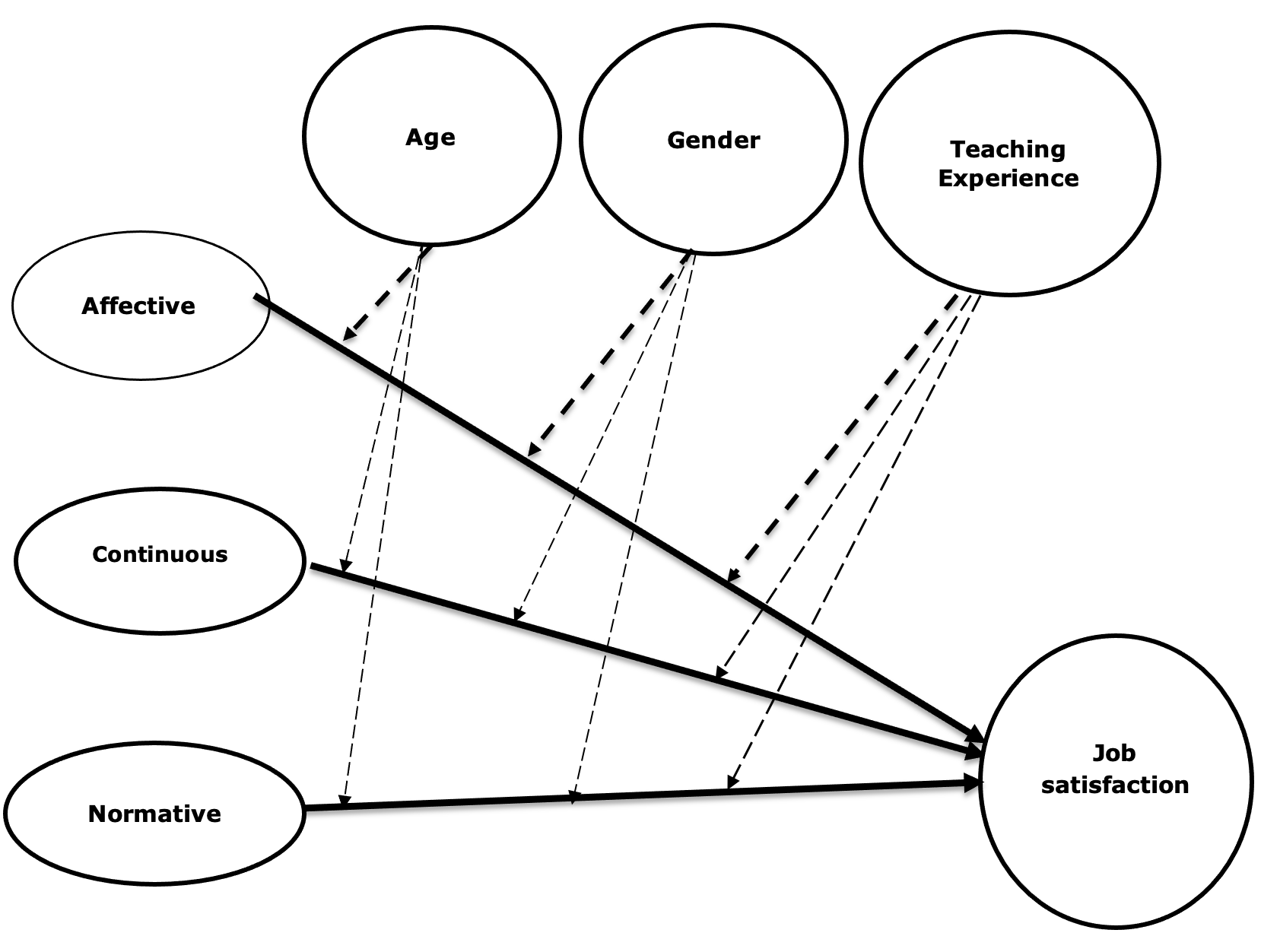
Figure 1: The hypothesized conceptual framework
The measurement model, indicator, and construct reliability, convergent validity, and the discriminant validity of these four reflective constructs for age and teacher experience were tested (Hair et al., 2017). The outer loading of the items for each variable should be higher than 0.7 to establish item reliability. To measure the construct reliability and convergent validity, the Composite Reliability (CR) should be > 0.7. The Average Variance Extracted (AVE) should be > 0.5 (Hair et al., 2017) (see Table 1).
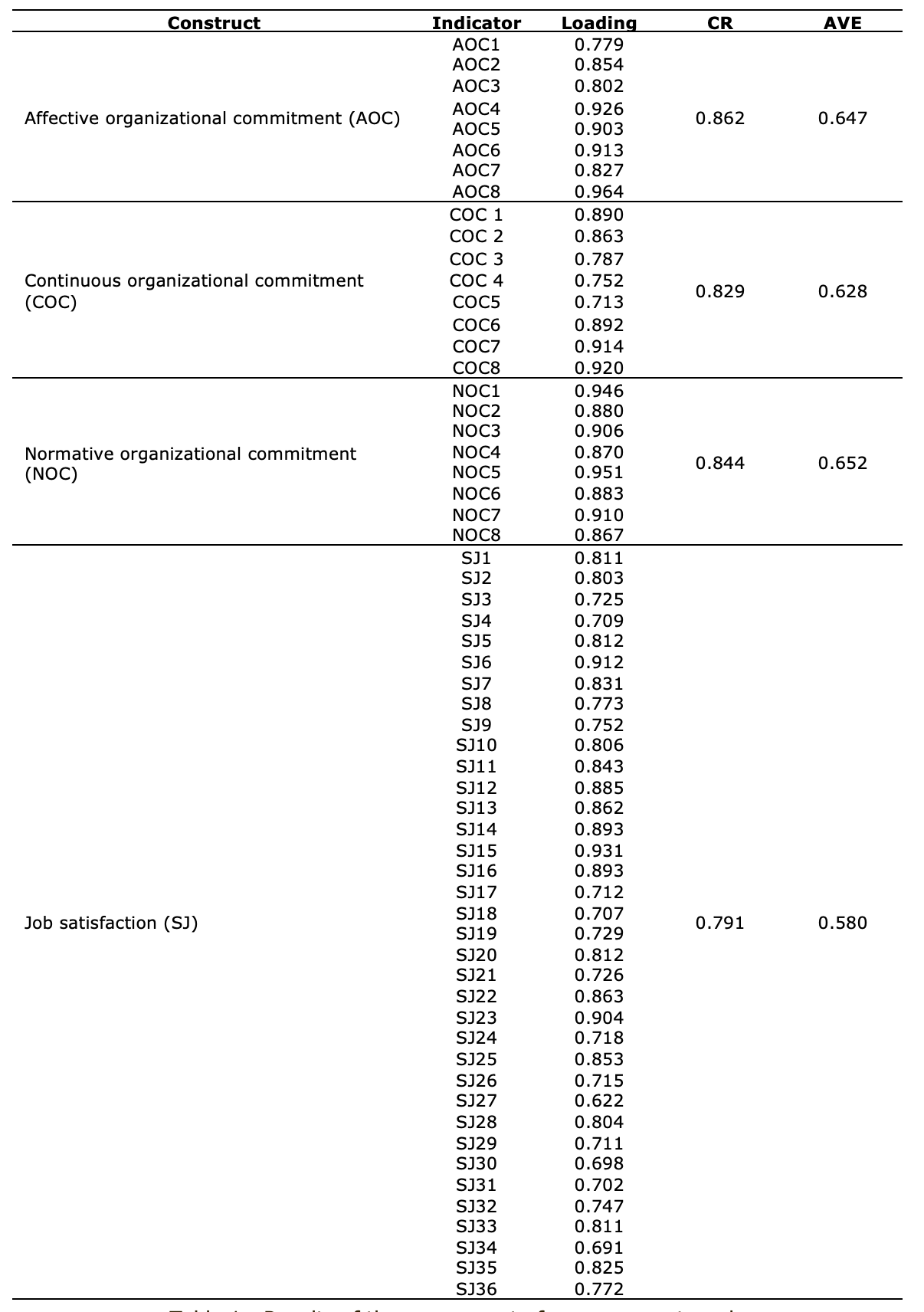
Table 1: Results of the assessment of measurement mode
In this study, Table 2 shows that the reliability and convergent validity for all four variables involved were acceptable for teachers. For measuring the discriminant validity (DV), this study relied on the conservative approach and the heterotrait-monotrait (HTMT) ratio. For each construct, the HTMT ratio should be below 0.90 to establish discriminant validity (Henseler et al., 2009). The results of HTMT show acceptable discriminant validity.

Table 2: Discriminant Validity Assessment (HTMT 0.9 ratio)
To test the structural model, PLS-SEM was used by applying the bootstrapping technique with a sample size of 5000. The results of the estimated path coefficients are listed in Table 3.

Table 3: Structural relationships and hypothesis testing
Table 3 reveals that affective, continuous, and normative components of organizational commitment have a desired relationship and are supported. The results produced R2 values of the three endogenous constructs (affective, continuous, and normative) as 0.628, 0.581, and 0.612, respectively, which are considered to evince predictive accuracy of the structural model in the behavioural sciences (Rasoolimanesh et al., 2017). The cross-validated redundancy (Q2) is a means for testing the structural model of predictive relevance. The Q2 value should be higher than zero (Hair et al., 2017) (see Table 3). The multicollinearity was tested by conducting the VIF for each of the four endogenous constructs. It was seen that the VIF value was below the threshold value of 3.33.
The measurement invariance was measured for gender (male and female), age (high and low), and experience (high and low) as a requirement to perform MGA (Sarstedt et al., 2011). The research by Md Noor et al. (2019) revealed that the method to assess measurement invariance of composite models (MICOM) is ideal for PLS-SEM. In this study, a three-step model was conducted to test the MICOM: (a) configural invariance, (b) compositional invariance conducting the correlation between constructs, and (c) equal means and variances (Henseler, 2016). Partial measurement invariance is required to perform MGA, which is obtained by establishing configural and compositional invariance. The results of MICOM demonstrated that partial measurement invariance exists in this study. In addition, the MGA can be applied to compare the path coefficients and to test the hypotheses of the three dimensions of organizational commitment on job satisfaction between gender, age (high and low), and experience (high and low).
Tables 4, 5, and 6 show the results of MGA and hypothesis testing. Two conservative and nonparametric methods of Henseler’s MGA using bootstrapping and the permutation approach (Henseler et al., 2009) were used to compare the effects of teachers' organizational commitment dimensions on job satisfaction between two different genders, age and experience groups.
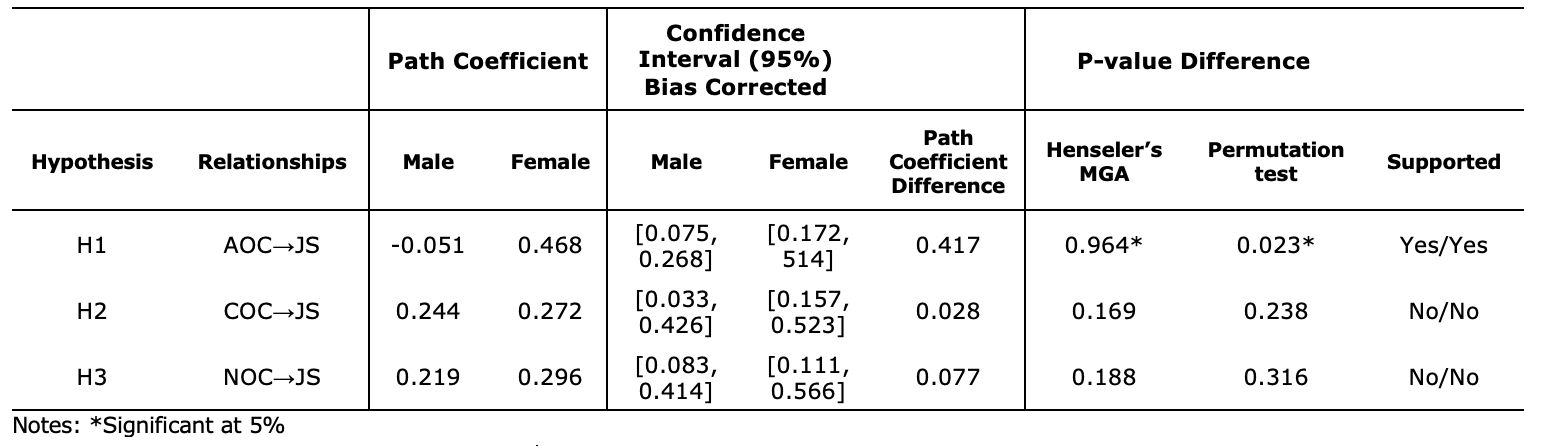
Table 4: Moderating effect of gender
Table 4 shows that the predictive power of affective organizational commitment on job satisfaction is positive and strong for female teachers, whereas this effect is insignificant for male teachers. That is, gender predicts the relationship between only the affective component of organizational commitment and job satisfaction in that this association, although existing for both sexes, is significantly stronger among female teachers.
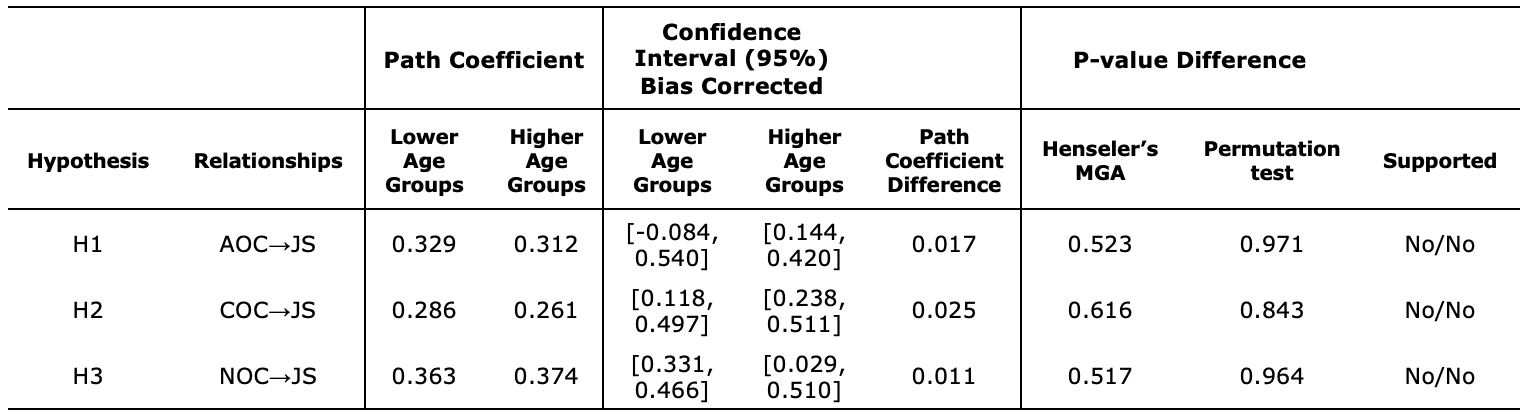
Table 5: Moderating effect of age
Table 5 reveals that the effects of affective, continuous, and normative organizational commitment on job satisfaction are positive for both high and low-age groups, but the difference is not significant (sig>0.05). That is, age does not predict the relationship between the three components of organizational commitment and job satisfaction.
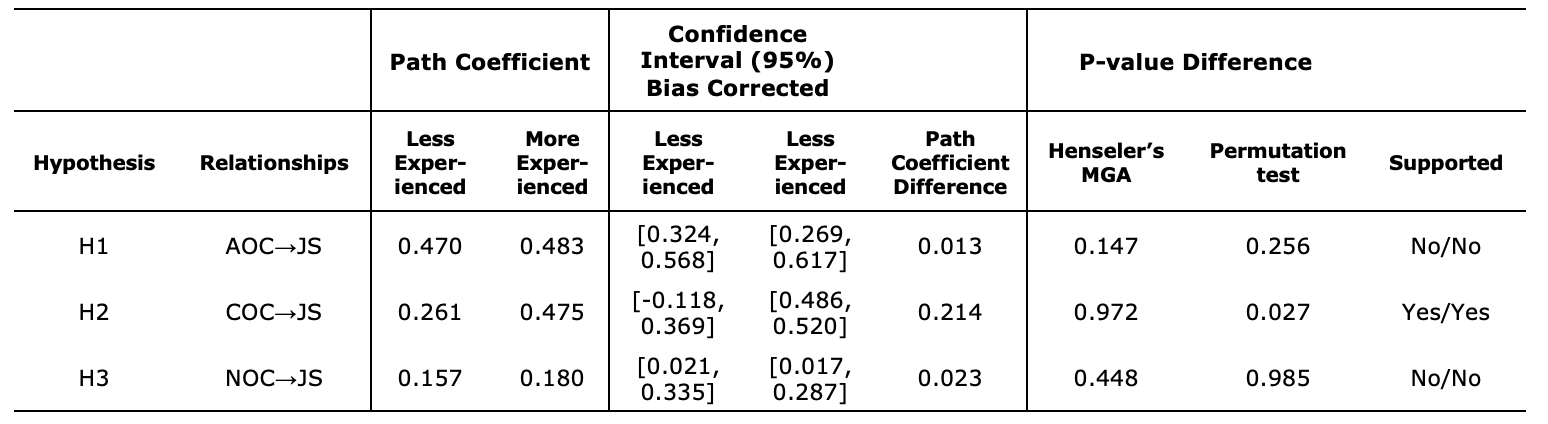
Table 6: Moderating effect of experience
Table 6 shows that the effects of affective and normative organizational commitments on job satisfaction are positive for less and more-experienced teachers, but the difference is not significant. Also, the effect of continuous organizational commitment on job satisfaction is positive for both high and low-experience groups and stronger for highly experienced teachers, and the difference is statistically significant (sig=0.027). In simpler terms, experience only predicts the relationship between the continuous component of organizational component and job satisfaction suggesting that this relationship is stronger among more experienced teachers.
Discussion
The current study probed into the relationship between job satisfaction and organizational commitment among English teachers at public schools in light of teacher experience. It as well examined how years of experience, age, and gender mediated the relationship. The findings suggested a positive and significant relationship between job satisfaction and organizational commitment. It was also found that all three components of organizational commitment (affective, normative, and continuous) manifested a positively significant correlation with job satisfaction. Therefore, it can be said that the higher affective, continuous, and normative organizational commitment, the more satisfied a teacher is with his/her job. The above research findings are similar to those of Lumley et al. (2011), who found a statistically significant positive relationship between job satisfaction and affective and normative commitments. They hypothesized that job satisfaction relates more strongly to affective commitment because it is related to one's attitude toward work. The findings suggest that job satisfaction and affective commitment originate from an individual’s attitude toward their work (Ahmad, 2018). Similarly, the positive relationship between job satisfaction and normative commitment suggests that satisfied employees are committed to their organization, more inclined to stay with their organization, and are supportive of the goals of the organization (Aamodt, 2015). To answer the first research question, “Is there a statistically significant relationship between organizational commitment, its three components and English teachers’ job satisfaction at public schools?”, this relationship resulted positively significant. Therefore, it can be concluded that the more committed the teachers in this study were to their schools affectively, normatively, and continuously, the more satisfied they would find themselves in their professions. That is, those public-school teachers who had a great sense of commitment to their workplace found more job satisfaction.
In this study, it was discovered that the effect of affective and normative organizational commitments on job satisfaction was positive for low and high-experienced teachers, but the difference was not significant. Also, the effect of continuous organizational commitment on job satisfaction was positive for both high and low-experience groups, but stronger for highly experienced teachers, and the difference was statistically evident. These findings run counter to those of the study by Tella et al. (2007), which suggested that no relationship was observed between the organizational commitment of the library personnel and their years of experience. However, in line with our findings, the findings of a study by Sujatha et al. (2013) reported that employees developed seniority and relationships inside the organization as their job experience developed. In substantiating these findings, Super (1957), as cited in Brimeyer et al., 2010) showed that younger and less experienced employees were less committed to their employers than older, more tenured workers. The idea is that an employee's commitment makes it more difficult for them to abandon the company since the longer they stay with the company, the more investment they have made in it. This suggests that the longer a person stays with an organization (the more experienced employees), the more commitment they feel toward that organization. Be that as it may, the result obtained in this study may be due to the particular local situation. Therefore, in answer to the second research question through SEM analysis, “Is teacher experience a statistically significant predictor of the relationship between organizational commitment and job satisfaction among English teachers at public schools?”, it was observed that teacher experience did not moderate the relationship between normative and affective components and only the relationship between the continuous component of organizational commitment and job satisfaction was predicted by experience, which means that this relationship was stronger among more experienced teachers.
As regards the third research question, “Is teacher gender a statistically significant predictor of the relationship between organizational commitment and job satisfaction among English teachers at public schools?”, the results showed that only the affective component of commitment was significant in this regard. This infers that gender only predicted affective component although the relationship was positive between affective component and job satisfaction, the relationship was considerably higher among female teachers. That is, female teachers demonstrated higher associations than male teachers as regards the relationship between affective organizational commitment and job satisfaction. The empirical study of Farrell and Finkelstein (2007) conveyed the idea that females engage more in their jobs helping others as compared to men. Few studies have shown that males and females are similar in the level of organizational commitment (Bukhari & Ali, 2009; Chou & Pearson, 2011). Consistent with this finding of the study, Shekhar and Kumar (2017) stated that females are more committed to teaching than their male counterparts. Therefore, Eagly's (1987) “Prescriptive Stereotype Theory” supports this study's finding that females own a high level of collective features compared to males. These differences display how men and women differ with respect to organizational commitment. These findings suggest that females are more interested in teaching than males since males regard this career to be but one among many other work choices. Judge and Kammeyer-Mueller (2012) also reported that organizational commitment and job involvement differed between males and females. However, a study by Chin-Wen et al. (2016) suggested that males appeared to be the breadwinners for their families, while the females were often dependent on their husbands, and this made them less job committed. Working women seem to experience higher levels of tension between domestic household responsibilities and work responsibilities, which might diminish their organizational commitment and job satisfaction. The findings of the present study are not congruent with their study. In this case, generally speaking, it can be said that gender does not moderate the relationship between organizational commitment and job satisfaction.
Finally, in answer to the last research question, “Is teacher age a statistically significant predictor of the relationship between organizational commitment and job satisfaction among English teachers at public schools?”, the findings showed no significant difference between high and low age groups as regards the association between organizational commitment and job satisfaction. It means that age did not predict the relationship between job satisfaction and organizational commitment. Inconsistent with this result, Kim and Kang (2017) found that older individuals reported more positive job attitudes at work, experienced fewer negative emotions, and described their job environment more favourably than their younger counterparts did. The findings of the present study are also incongruent with the study of Yucel and Bektas (2012), who reported the significant moderating effect of age on the relationship between job satisfaction and organizational commitment. Also not agreeing with the results of this study, Kooij et al. (2011) expressed that accomplishment and achievement at work become more and more important for older workers. Some other studies are also incompatible in that they state that younger employees are enthusiastic and enjoy the challenge of work and, in contrast, older workers have accepted their position in the organization and see limited career prospects (Dodanwala & Santoso, 2022). Only one study (Azim, 2013) gives results in agreement with the present study. The discrepancy between our findings and the findings of similar studies is that because of the high unemployment rate, especially for teachers in Iran, a person of any age is forced to accept responsibility and start work. Also, since English teachers are low-paid workers, they are not happy with their jobs despite their forced commitment to the educational organization. Hence, teachers, both young and old, do not indulge in much job satisfaction.
Conclusion
The theme of the present study was to find out if organizational commitment and its three components correlated with and predicted job satisfaction among English teachers at public schools in Iran. the findings communicated that all three components of organizational commitment predicted job satisfaction. Experience only predicted the relationship between the continuance component and job satisfaction, gender only predicted the relationship between the affective component and job satisfaction, while age did not turn out to be a predictor of the relationship.
The study concludes that teachers who are more satisfied with their jobs, have a higher propensity to be cheerful and a stronger desire to work hard, which means they will be more efficacious and successful in their roles. This sense of fulfilment and positive feelings about one's job encourages a sense of devotion to the organization. As a corollary, establishing and sustaining the sense of accomplishment that one obtains from one's employment should be fostered in order to increase instructors' emotional attachment or commitment to their schools.
The Structural Equation Modelling that was utilized in the present study fares better with larger samples. For that reason, it is suggested that future studies carry out their research on larger samples, replicating the same study on private school English teachers where teachers find their occupations more lucrative and experience a different work environment. Comparing those results with the findings of the present study might further illuminate our understanding of the hypothesized relationships in the current study.
References
Aamodt, M.G. (2015). Industrial/organisational psychology: An applied approach. Wadsworth Cengage Learning.
Admiraal, W., & Røberg, K. I. K. (2023). Teachers’ job demands, resources and their job satisfaction: Satisfaction with school, career choice and teaching profession of teachers in different career stages. Teaching and Teacher Education, 125. http://doi.org/10.1016/j.tate.2023.104063
Adu Gyamfi, M., Adu-Oppong, A. A., & Boahen, S. (2017). Job satisfaction and commitment among non-teaching staff of universities in Ghana. International Journal of Innovative Research and Development, 6(5). https://www.internationaljournalcorner.com/index.php/ijird_ojs/article/view/128817/89371
Agegnehu, W., Abdissa, D., & Alemayehu, D. (2022). Confirmatory and exploratory factor analysis for validating Allen and Meyer organizational commitment questionnaire for health professionals in Ethiopia—Amharic language. Journal of Healthcare Leadership, 14, 99-111. https://doi.org/10.2147/JHL.S364973
Agrawal, S., & Gangai, K. N. (2016). Effectiveness of training evaluation in autoancillary industry. Journal of Organization and Human Behaviour, 5(1). https://doi.org/10.21863/johb/2016.5.1.026
Ahmad A. (2018). The relationship among job characteristics organizational commitment and employee turnover intentions: A reciprocation perspective. Journal of Work-Applied Management, 10(1), 74-92. https://doi.org/10.1108/jwam-09-2017-0027
Ahrari, S., Roslan, S., Zaremohzzabieh, Z., Mohd Rasdi, R., & Abu Samah, A. (2021). Relationship between teacher empowerment and job satisfaction: A meta-analytic path analysis. Cogent Education, 8(1).https://doi.org/10.1080/2331186x.2021.1898737
Akartuna, I. Ş. S., & Serin, O. (2022). COVID-19 impact on teachers’ organizational commitment in schools. Frontiers in Psychology, 13. http://doi.org/10.3389/fpsyg.2021.1898737
Allen, N. J., & Meyer, J. P. (1993). Organizational commitment: Evidence of career stage effects? Journal of Business Research, 26(1), 49-61. https://doi.org/10.1016/0148-2963(93)90042-n
Al Maktoum, S. B., & Al Kaabi, A. M. (2024). Exploring teachers’ experiences within the teacher evaluation process: A qualitative multi-case study. Cogent Education, 11(1). https://doi.org/10.1080/2331186X.2023.2287931
Alvariñas-Villaverde, M., Domínguez-Alonso, J., Pumares-Lavandeira, L., & Portela-Pino, I. (2022). Initial motivations for choosing teaching as a career. Frontiers in Psychology, 13. https://doi.org/10.3389/fpsyg.2022.842557
Al-Jabari, B. & Ghazzawi, I. (2019). Organizational commitment: A review of the conceptual and empirical literature and a research agenda. International Leadership Journal, 11(1), 78-119.
Amponsah-Tawiah, K., & Mensah, J. (2016). Occupational health and safety and organizational commitment: Evidence from the Ghanaian mining industry. Safety and Health at Work, 7(3), 225-230. https://doi.org/10.1016/j.shaw.2016.01.002
Anin, E. K., Ofori, I., & Okyere, S. (2015). Factors affecting job satisfaction of employees in the construction supply chain in the Ashanti region of Ghana. European Journal of Business and Management, 7(6). https://iiste.org/Journals/index.php/EJBM/article/view/20301/20716
Ansah-Hughes, W. (2016). Assessing the impact of teacher job satisfaction among teachers. Journal of Education and Practice, 7(30), 161-165. https://www.iiste.org/Journals/index.php/JEP/article/view/33631/34575
Azim, M. T., Haque, M. M., & Chowdhurg, R. A. (2013). Gender, marital status and job satisfaction an empirical study. International Review of Management and Business Research, 2(2), pp. 488-498. https://irmbrjournal.com/download.php?file=papers/1372423383.pdf
Bogler, R., & Somech, A. (2004). Influence of teacher empowerment on teachers’ organizational commitment, professional commitment and organizational citizenship behavior in schools. Teaching and Teacher Education, 20(3), 277–289. https://doi.org/10.1016/j.tate.2004.02.003
Brimeyer, T. M., Perrucci, R., & Wadsworth, S. M. (2010). Age, tenure, resources for control, and organizational commitment. Social Science Quarterly, 91(2), 511-530. https://doi.org/10.1111/j.1540-6237.2010.00705.x
Bucăţa, G., Virca, I., & Popescu, F. (2022). Organisational commitment, motivation and job satisfaction. Land Forces Academy Review, 27(2), 124-133.
Bukhari, Z. u., & Ali, U. (2009). Relationship between organizational citizenship behavior and counterproductive work behavior in the geographical context of Pakistan. International Journal of Business and Management, 4(1), 85-92. https://doi.org/10.5539/ijbm.v4n1p85
Cayupe, J. C., Bernedo-Moreira, D. H., Morales-García, W. C., López Alcaraz, F., Carrazco Peña, K. B., Saintila, J., & Flores-Paredes, A. (2023). Self-efficacy, organizational commitment, workload as predictors of life satisfaction in elementary school teachers: The mediating role of job satisfaction. Frontiers in Psychology, 14.https://doi.org/10.3389/fpsyg.2023.1066321
Liao, C.-W., Lu, C.-Y., Huang, C.-K., & Chiang, T.-L. (2016). Work values, work attitude and job performance of green energy industry employees in Taiwan. African Journal of Business Management, 6(15), 5299-5318. http://doi.org/10.5897/AJBM11.1449
Chou, S. Y., & Pearson, J. (2011). A demographic study of information technology professionals’ organizational citizenship behavior. Journal of Management Research, 3(2). https://doi.org/10.5296/jmr.v3i2.625
Collie, R. J., Shapka, J. D., Perry, N. E., & Martin, A. J. (2015). Teachers’ beliefs about social-emotional learning: Identifying teacher profiles and their relations with job stress and satisfaction. Learning and Instruction, 39, 148-157. https://doi.org/10.1016/j.learninstruc.2015.06.002
Dee, J. R., Henkin, A. B., & Singleton, C. A. (2006). Organizational commitment of teachers in urban schools: Examining the effects of team structures. Urban Education, 41(6), 603-627. https://doi.org/10.1177/0042085906292512
Dinham, S., & Scott, C. (1998). A three domain model of teacher and school executive career satisfaction. Journal of Educational Administration, 36(4), 362-378. https://doi.org/10.1108/09578239810211545
Dodanwala, T. C., & Santoso, D. S. (2022). The mediating role of job stress on the relationship between job satisfaction facets and turnover intention of the construction professionals. Engineering, Construction and Architectural Management, 29(4), 1777-1796. https://doi.org/10.1108/ECAM-12-2020-1048
Eagly, A. H. (1987). Sex differences in social behavior: A social-role interpretation. Lawrence Erlbaum.
Farrell, S. K., & Finkelstein, L. M. (2007). Organizational citizenship behavior and gender: Expectations and attributions for performance. North American Journal of Psychology, 9(1), 81-96. https://doi.org/10.3102/0002831208318259
Farrukh, M., Ying, C.-W., & Mansori, S. (2017). Organizational commitment: An empirical analysis of personality traits. Journal of Work-Applied Management, 9(1), 18-34. https://doi.org/10.1108/JWAM-12-2016-0026
Gajenderan, V., Nawaz, N., Rangarajan, R., & Parayitam, S. (2023). The relationships between amotivation, employee engagement, introjected regulation, and intrinsic motivation: A double-layered moderated-mediation model. Heliyon, 9(10). https://doi.org/10.1016/j.heliyon.2023.e20493
Grayson, J. L., & Alvarez, H. K. (2008). School climate factors relating to teacher burnout: A mediator model. Teaching and Teacher Education, 24(5), 1349–1363. https://doi.org/10.1016/j.tate.2007.06.005
Hair, J. F., Jr., Hult, G. T. M., Ringle, C. M., Sarstedt, M. (2017a). A primer on partial least squares structural equation modeling (PLS-SEM). Sage.
Hair, J. F. Jr., Sarstedt, M., Ringle, C. M., & Gudergan, S. P. (2017b). Advanced issues in partial least squares structural equation modeling. Sage.
Hancock, C. B., & Scherff, L. (2010). Who will stay and who will leave? Predicting secondary English teacher attrition risk. Journal of Teacher Education, 61(4), 328-338. https://doi.org/10.1177/0022487110372214
Haniko, P., Sarumaha, Y. A., Satria, E., Hs, N., & Anas. (2023). Building students’ critical thinking skill through problem-based learning model. Widya Accarya, 14(1), 92-98. https://doi.org/10.46650/wa.14.1.1409.92-98
Hanson, K. (2013). Turnover in teachers: Stress, burnout, and fixing the problem. BU Journal of Graduate Studies in Education, 5(2), 50-54. http://files.eric.ed.gov/fulltext/EJ1230755.pdf
Hee, O. C., Yan, L. H., Rizal, A. M., Kowang, T. O., & Fei, G. C. (2018). Factors influencing employee job satisfaction: A conceptual analysis. International Journal of Academic Research in Business and Social Sciences, 8(6), 331–340. http://dx.doi.org/10.6007/IJARBSS/v8-i6/4207
Henseler, J. (2016). Guest editorial. Industrial Management & Data Systems, 116(9), 1842-1848.https://doi.org/10.1108/IMDS-09-2016-0366
Henseler, J., Ringle, C. M., & Sinkovics, R. R. (2009). The use of partial least squares path modeling in international marketing. In R. R. Sinkovics & P. N. Ghauri (Eds.), New challenges to international marketing (pp. 277–319). Emerald.
Heydari, M., Faghih, M., Karimzadeh, Y., Joulaei, H., Qhiasi, F., Dadmanesh, N., SeyedAlinaghi, S., Hosseini, F., Yeilaghi, S., Miri, M. R., Pirmadah, F., Amini, W., Meshkati, M., Kaserooni, P. A., Moghadam, N. N., Heydari, Z., & Mehraeen, M. (2022). Investigation of job satisfaction amongst voluntary, counseling and testing centers and health centers in Iran. BMC psychology, 10. https://doi.org/10.1186/s40359-022-00972-9
Hogg, L., Elvira, Q., & Yates, A. (2023). What can teacher educators learn from career-change teachers’ perceptions and experiences: A systematic literature review. Teaching and Teacher Education, 132. https://doi.org/10.1016/j.tate.2023.104208
Hussein, S. (2018). Work engagement, burnout and personal accomplishments among social workers: A comparison between those working in children and adults’ services in England. Administration and Policy in Mental Health and Mental Health Services Research, 45(6), 911-923. https://doi.org/10.1007/s10488-018-0872-z
Hutabarat, W. (2015). Investigation of teacher job-performance model: Organizational culture, work motivation and job-satisfaction. Asian Social Science, 11(18), 295-304. https://doi.org/10.5539/ass.v11n18p295
Janićijević, N., Kovačević, P., & Petrović, I. (2015). Identifying organizational factors of job satisfaction: The case of one Serbian company. Economic Annals, 60(205), 73-104. https://doi.org/10.2298/EKA1505073J
Judge, T. A., & Kammeyer-Mueller, J. D. (2012). Job attitudes. Annual Review of Psychology, 63(1), 341-367. https://doi.org/10.1146/annurev-psych-120710-100511
Kim, N., & Kang, S.-W. (2017). Older and more engaged: The mediating role of age-linked resources on work engagement. Human Resource Management, 56(5), 731-746. https://doi.org/10.1002/hrm.21802
Klassen, R. M., & Chiu, M. M. (2011). The occupational commitment and intention to quit of practicing and pre-service teachers: Influence of self-efficacy, job stress, and teaching context. Contemporary Educational Psychology, 36(2), 114-129. https://doi.org/10.1016/j.cedpsych.2011.01.002
Kooij, D. T. A. M., De Lange, A. H., Jansen, P. G. W., Kanfer, R., & Dikkers, J. S. E. (2011). Age and work-related motives: Results of a meta-analysis. Journal of Organizational Behavior, 32(2), 197-225. https://doi.org/10.1002/job.665
Lumley, E. J., Coetzee, M., Tladinyane, R., & Ferreira, N. (2011). Exploring the job satisfaction and organisational commitment of employees in the information technology environment. Southern African Business Review, 15(1), 100-118. https://hdl.handle.net/10520/EJC92917
Madigan, D. J., & Kim, L. E. (2021). Towards an understanding of teacher attrition: A meta-analysis of burnout, job satisfaction, and teachers’ intentions to quit. Teaching and Teacher Education, 105. https://doi.org/10.1016/j.tate.2021.103425
McInerney, D. M., Ganotice, F. A., King, R. B., Morin, A. J. S., & Marsh, H. W. (2015). The affective, continuance and normative organisational and occupational commitment scales—Adaptive version [PsycTESTS] [Data set]. American Psychological Association. https://doi.org/10.1037/t50963-000
Md Noor, S., Rasoolimanesh, S. M., Jaafar, M., & Barghi, R. (2019). Inscription of a destination as a world heritage site and residents’ perceptions. Asia Pacific Journal of Tourism Research, 24(1), 14-30. https://doi.org/10.1080/10941665.2018.1541183
Meyer, J. P., & Allen, N. J. (1991). A three-component conceptualization of organizational commitment. Human Resource Management Review, 1(1), 61–89. https://doi.org/10.1016/1053-4822(91)90011-z
Meyer, J. P., Allen, N. J., & Smith, C. A. (1993). Commitment to organizations and occupations: Extension and test of a three-component conceptualization. Journal of Applied Psychology, 78(4), 538-551. https://doi.org/10.1037/0021-9010.78.4.538
Meyer, J. P., Stanley, D. J., Jackson, T. A., McInnis, K. J., Maltin, E. R., & Sheppard, L. (2012). Affective, normative, and continuance commitment levels across cultures: A meta-analysis. Journal of Vocational Behavior, 80(2), 225-245. https://doi.org/10.1016/j.jvb.2011.09.005
Miller, B. K., Wan, M., Carlson, D., Kacmar, K. M., & Thompson, M. (2022). Antecedents and outcomes of work-family conflict: A mega-meta path analysis. PloS One, 17(2). https://doi.org/10.1371/journal.pone.0263631
Ng, T. W. H. (2015). The incremental validity of organizational commitment, organizational trust, and organizational identification. Journal of Vocational Behavior, 88, 154-163. https://doi.org/10.1016/j.jvb.2015.03.003
Okeke, C. I., & Mtyuda, P. N. (2017). Teacher job dissatisfaction: Implications for teacher sustainability and social transformation. Journal of Teacher Education for Sustainability, 19(1), 57-68. https://doi.org/10.1515/jtes-2017-0004
Omar, M. K., Self, M. J., & Cole, K. L. M. (2017). Retention and job satisfaction: A study of career and technical education teachers in midwestern state. International Journal of Academic Research in Business and Social Sciences, 7(14), 181-195. https://doi.org/10.6007/ijarbss/v7-i14/3661
Pehlivanoğlu, M. Ç. (2023). Employee job satisfaction according to education level, age and work experience. Journal of International Trade, Logistics and Law, 9(1), 185-193. https://www.jital.org/index.php/jital/article/view/353/pdf_198
Pehlivanoğlu, M. Ç., & Civelek, M. E. (2019). The effects of emotional exhaustion and depersonalization on personal accomplishment in pharmaceutical industry. OPUS International Journal of Society Researches, 11(18), 2071-2086. https://doi.org/10.26466/opus.566917
Pozas, M., Letzel-Alt, V., & Schwab, S. (2023). The effects of differentiated instruction on teachers’ stress and job satisfaction. Teaching and Teacher Education, 122. https://doi.org/10.1016/j.tate.2022.103962
Rahman, K.-U., Akhter, W., & Khan, S. U. (2017). Factors affecting employee job satisfaction: A comparative study of conventional and Islamic insurance. Cogent Business & Management, 4(1). https://doi.org/10.1080/23311975.2016.1273082
Rasoolimanesh, S. M., Roldán, J. L., Jaafar, M., & Ramayah, T. (2017). Factors influencing residents’ perceptions toward tourism development: Differences across rural and urban world heritage sites. Journal of Travel Research, 56(6), 760-775. https://doi.org/10.1177/0047287516662354
Reichl, C., Wach, F.-S., Spinath, F. M., Brünken, R., & Karbach, J. (2014). Burnout risk among first-year teacher students: The roles of personality and motivation. Journal of Vocational Behavior, 85(1), 85-92. https://doi.org/10.1016/j.jvb.2014.05.002
Ronfeldt, M., Lankford, H., Loeb, S., & Wyckoff, J. (2011). How teacher turnover harms student achievement. National Bureau of Economic Research. https://doi.org/10.3386/w17176
Safari I. (2020). A study on the relationship between burnout and job satisfaction of Iranian EFL teachers working in universities and schools. Journal on Efficiency and Responsibility in Education and Science, 13(4), 164-173. http://dx.doi. org/10.7160/eriesj.2020.130401
Sarkhosh, M., & Alinasab, M. (2024). Trust and job satisfaction among private school English teachers. Iranian Journal of Language Teaching Research, 12(1), 131-147. https://doi.org/10.30466/ijltr.2024.121422
Sarstedt, M., Henseler, J., & Ringle, C. M. (2011). Multigroup analysis in partial least squares (PLS) path modeling: Alternative methods and empirical results. In M. Sarstedt, M. Schwaiger, & C. R. Taylor (Eds.), Measurement and research methods in international marketing (pp. 195–218).
Sarumaha, Y. A., Putri, R. I. I., & Hartono, Y. (2018). Percentage bar: A model for helping fifth grade students understand percentages. Mosharafa: Jurnal Pendidikan Matematika, 7(2), 155-166. https://doi.org/10.31980/mosharafa.v7i2.497
Shah, N. H., Ahmad, F., Jumani, N. B., & Tariq, M. A. (2017). Influence of organizational commitment on turnover intention of private secondary school teachers. Journal of Applied Environmental and Biological Sciences, 7(3), 244-251.
Shekhar, C., & Kumar, R. (2017). Occupational efficacy and commitment among male and female school teachers. Periodic Research, 6(1), 108–112.
Skaalvik, E. M., & Skaalvik, S. (2011). Teachers’ feeling of belonging, exhaustion, and job satisfaction: The role of school goal structure and value consonance. Anxiety, Stress & Coping, 24(4), 369-385. https://doi.org/10.1080/10615806.2010.544300
Song, S., & Mustafa, M. (2015). Factors impacting on teachers' job satisfaction related to science teaching: A mixed methods study. Science Education International, 26(3), 358-375. https://files.eric.ed.gov/fulltext/EJ1074879.pdf
Sony, M., & Mekoth, N. (2016). The relationship between emotional intelligence, frontline employee adaptability, job satisfaction and job performance. Journal of Retailing and Consumer Services, 30, 20–32. https://doi.org/10.1016/j.jretconser.2015.12.003
Spector, P. E. (1985). Measurement of human service staff satisfaction: Development of the job satisfaction survey. American Journal of Community Psychology, 13(6), 693-713. http://dx.doi.org/10.1007/BF00929796
Stearns, E., Banerjee, N., Mickelson, R., & Moller, S. (2014). Collective pedagogical teacher culture, teacher–student ethno-racial mismatch, and teacher job satisfaction. Social Science Research, 45, 56-72. https://doi.org/10.1016/j.ssresearch.2013.12.011
Stirpe, L., Profili, S., & Sammarra, A. (2022). Satisfaction with HR practices and employee performance: A moderated mediation model of engagement and health. European Management Journal, 40(2), 295-305. https://doi.org/10.1016/j.emj.2021.06.003
Sujatha, S., Swathi, M., & Seema, A. (2013). Impact of term of experience on organizational commitment among employees commitment among employees. International Journal of Computer Science and Management Studies, 13(9), 231-268.
Tella, A., Ayeni, C. O., & Popoola, S. O. (2007). Work motivation, job satisfaction, and organisational commitment of library personnel in academic and research libraries in Oyo State, Nigeria. Library Philosophy and Practice, 9(2).
Toropova, A., Myrberg, E., & Johansson, S. (2021). Teacher job satisfaction: The importance of school working conditions and teacher characteristics. Educational Review, 73(1), 71-97. https://doi.org/10.1080/00131911.2019.1705247
Towers, E., Gewirtz, S., Maguire, M., & Neumann, E. (2022). A profession in crisis? Teachers' responses to England's high-stakes accountability reforms in secondary education. Teaching and Teacher Education, 117.https://doi.org/10.1016/j.tate.2022.103778
Treviño-Reyes, R., Lopez-Perez, J. F. (2023). Job satisfaction, organizational commitment and burn out in teachers in Mexico. Journal of Technology and Science Education, 13(3). https://doi.org/10.3926/jotse.1435
Van Maele, D., & Van Houtte, M. (2012). The role of teacher and faculty trust in forming teachers’ job satisfaction: Do years of experience make a difference? Teaching and Teacher Education, 28(6), 879–889. https://doi.org/10.1016/j.tate.2012.04.001
Wang, P., Chu, P., Wang, J., Pan, R., Sun, Y., Yan, M., Jiao, L., Zhan, X., & Zhang, D. (2020). Association between job stress and organizational commitment in three types of Chinese university teachers: Mediating effects of job burnout and job satisfaction. Frontiers in Psychology, 11. https://doi.org/10.3389/fpsyg.2020.576768
Xu, Z., & Pang, N. S.-K. (2024). Promoting teachers’ organizational commitment: The effects of authentic leadership, teachers’ well-being and social–emotional competence. Behavioral Sciences, 14(10). https://doi.org/10.3390/bs14100862
Yucel, I., & Bektas, C. (2012). Job satisfaction, organizational commitment and demographic characteristics among teachers in Turkey: Younger is better? Procedia-Social and Behavioral Sciences, 46, 1598–1608. https://doi.org/10.1016/j.sbspro.2012.05.346
Zembylas, M., & Papanastasiou, E. (2004). Job satisfaction among school teachers in Cyprus. Journal of Educational Administration, 42(3), 357-374. https://doi.org/10.1108/09578230410534676