
Introduction
The COVID-19 pandemic led to the unprecedented closure of schools worldwide, forcing a sudden shift from traditional in-person learning to distance learning as a safety measure. While this transition was necessary to protect public health, it resulted in significant learning loss among students (Azevedo et al., 2021; Engzell et al., 2021; Kuhfeld et al., 2020). One of the most concerning aspects of this learning loss was the decline in students' speaking abilities, particularly in English as a Foreign Language (EFL) contexts (Azim Premji Foundation, 2021; Rahmawati et al., 2021). Speaking loss, in this regard, refers to a significant decline in students’ knowledge and skill due to the lack of in-person schooling (Cardinal, 2020). The limited interaction with teachers and peers during online classes posed a major obstacle for students in engaging in meaningful conversations, which are crucial for the development of speaking proficiency. As a result, many students experienced a decline in their ability to express themselves effectively in English.
To mitigate this challenge, educators sought to integrate various educational technology tools and online platforms to support remote learning. These technological interventions aimed to sustain students’ engagement and minimize the impact of learning loss (Conto et al., 2021; Yarrow et al., 2020). In the Indonesian EFL context, several studies (e.g., Ariani & Tawali, 2021; Fitriani et al., 2020; Puspitasari et al., 2021) highlighted the role of online learning tools in addressing speaking loss. Among the most commonly used solutions were video conferencing platforms such as Zoom and Google Meet, which facilitated virtual interaction between students and teachers. However, despite their advantages, these platforms were not entirely effective in supporting students’ speaking practice. Technical issues such as poor internet connectivity, lack of student participation, and the absence of an immersive English-speaking environment hindered students from fully engaging in speaking activities (Azim Premji Foundation, 2021).
Given these challenges, it is crucial to design speaking tasks that actively engage all students and encourage them to participate in speaking activities despite the limitations of remote learning. Recent studies have explored the use of vlogging (video blogging) as an alternative approach to foster speaking practice in EFL contexts (e.g., Anggraeni et al. (2020); Hong and Riper (2016); Hsu (2016); Madzlan et al. (2020); Mandasari and Aminatun (2020); Newhouse et al. (2007); Ong et al. (2020). Unlike video conferencing, which relies on synchronous communication, vlogging allows students to record their spoken responses asynchronously, giving them more flexibility and autonomy in their speaking practice. The process of repeatedly recording their videos provides students with multiple opportunities to practice their speaking skills. This consistent practice helps them refine their pronunciation, fluency, and confidence, ultimately leading to more effective and natural speech delivery (Mandasari and Aminatun, 2020). However, research on the effectiveness of vlogs in mitigating speaking loss, particularly in the Indonesian EFL context, remains limited. This study aims to fill this gap by investigating how vlogging can be used as a tool to address the challenges posed by speaking loss during and after the COVID-19 pandemic. By exploring the potential of vlogging as a pedagogical strategy, this study contributes to the growing body of research on digital learning innovations and provides insights into effective ways to support EFL learners in developing their speaking proficiency.
Literature Review
This section presents a review of previous research on the integration of vlogs in English-speaking classrooms, with a focus on two key aspects: the impact of vlogs on speaking skills and vlogs as a reflective learning tool. The discussion highlights how vlog-based learning enhances students’ speaking skills and confidence while also fostering self-reflection and peer evaluation.
The impact of vlogs on speaking skills
Research has consistently highlighted the effectiveness of vlogs in enhancing students’ speaking skills. Mandasari and Aminatun (2020) found that incorporating vlogs into learning significantly improved students’ fluency. Their study suggested that regular video-recorded speaking activities allowed students to develop a more natural and continuous flow of speech. Similarly, Anggraeni et al. (2020) observed notable advancements in students’ pronunciation and vocabulary, attributing these improvements to the repetitive nature of vlog-based exercises. This repetition enabled students to refine their speech while benefiting from self-monitoring and targeted feedback. Collectively, these findings underscore a strong positive correlation between vlog integration and speaking proficiency, particularly in terms of fluency, pronunciation, and vocabulary acquisition.
Beyond linguistic improvements, vlogs also play a crucial role in boosting students’ confidence in speaking. Several studies, including that of Madzlan et al. (2020), have demonstrated that vlogging provides a low-pressure environment, helping to reduce students’ anxiety and encouraging them to speak more freely. This is consistent with Hsu (2016), who argued that vlogs, by offering a non-judgmental and student-centered approach to speaking practice, create a supportive atmosphere that enhances language learning. Taken together, these studies suggest that vlogs are highly beneficial in fostering both linguistic competence and communicative confidence, making them a valuable tool for developing students’ speaking abilities.
Vlogs as a reflective learning tool
Beyond directly enhancing speaking skills, vlogs also can function as a powerful tool for self-reflection and peer evaluation. Ong et al. (2020) found that students who actively participated in vlog-based activities became more self-aware of their speaking performance, allowing them to critically analyze their strengths and areas for improvement. This reflective process enabled students to internalize corrective feedback more effectively, leading to long-term improvements in speaking accuracy and coherence. Furthermore, the ability to revisit their recorded speeches allowed learners to track their progress over time, reinforcing their understanding of pronunciation, grammar, and fluency. In addition to self-reflection, vlogs can foster a dynamic learning environment where students engage in peer evaluation, creating a reciprocal learning experience. Newhouse et al. (2007) suggested that vlogs provide structured opportunities for students to assess not only their peers, but also their instructors, encouraging constructive discussions about language use and effective communication strategies. This peer-to-peer interaction promotes collaborative learning, as students exchange insights, provide feedback, and model effective speaking techniques for one another.
Another crucial advantage of vlogs is their potential to facilitate instant feedback from both teachers and peers, enhancing their role as an effective pedagogical tool. Hong and Riper (2016) and Ong et al. (2020) both emphasize that vlogs allow teachers to assess student performance more efficiently by providing direct and specific feedback in a digital format. This immediacy enables students to make timely revisions and improvements, accelerating their progress in speaking. The interactive nature of vlogs, where feedback can be given in the form of comments or video responses, ensures that students remain engaged in an ongoing cycle of learning, reflection, and refinement. As a result, vlogs serve as a multifaceted educational resource that not only strengthens speaking skills, but also nurtures a collaborative and self-directed learning environment.
The integration of vlogs in language learning presents a promising approach to mitigate students’ learning loss, particularly in speaking proficiency (Mandasari & Aminatun, 2020; Riyanto, 2020). Traditional speaking exercises often do not offer opportunities for repeated practice, self-reflection, and personalized feedback, which can hinder students’ language retention and fluency development. Vlogs, however, provide a structured yet flexible platform where students can repeatedly record, assess, and refine their speaking skills (Riyanto, 2020). This process not only reinforces language learning, but also fosters greater engagement and autonomy, allowing students to take ownership of their progress. Moreover, vlogs help bridge gaps in learning caused by disruptions such as limited classroom interaction or inconsistent speaking practice, ensuring that students continue to develop their communication skills even outside formal educational settings (Rizk & Davies, 2021). Despite these advantages, research on how vlogs can effectively address learning loss remains limited, particularly in identifying the specific priorities and challenges that arise in different student cohorts when implementing vlog-based learning. Additionally, while existing studies suggest that vlogs enhance confidence and motivation, there is a need for a deeper exploration of students’ perceptions of vlog integration to understand its impact on their overall learning experience. By addressing these gaps, this study aimed at investigating the following research questions:
What are priorities and challenges related to the integrations of vlog that emerge in every cohort?
What are the students’ perceptions toward the integration of vlogs?
Methods
Research design
This study was developed as action research (AR), which has been widely used by teacher-researchers as a systematic self-reflection to explore, to bring about change, or to improve their teaching context (Dick et al., 2009 Manfra, 2019).More specifically, the design was collaborative action research involving two researchers (the classroom lecturer and one of the authors) working together with the students to construct the most appropriate pedagogical approach for integrating a vlog in their speaking classrooms. During the project, the overall research procedure was developed concertedly. The classroom lecturer underwent the action in their classroom, and the report was written based on the obtained data after having a group discussion with the classroom lecturer.
Riel’s (2019) model of collaborative action research was adapted to show how the action, which was carried out by the lecturer and the students, was interconnected each other. Riel suggested that university researchers work with their colleagues to find a solution, by performing an action, and making a change to improve instruction and help students improve their performance. In this case, the authors and participants collaborated to incorporate action learning (a vlog as a learning media) and action teaching (a vlog as a teaching media) in overlapping steps through a cyclic action recurring in the three different cohorts as illustrated in Figure 1.
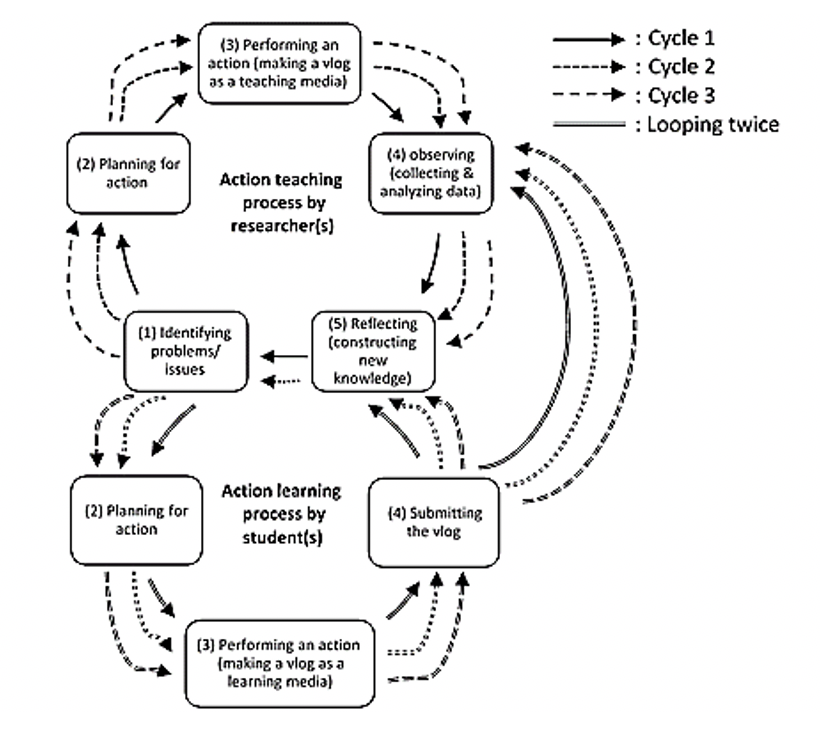
Figure 1: Relationship between action teaching and action learning process in every cycle (adapted from Riel's (2019) model)
Participants
The participants were EFL students with ages ranging from 16 to 18 years old who were studying in a private university in East Java, Indonesia. They were enrolled in a Speaking III class (speaking for academic purpose), which was offered in their third semester. They studied speaking for daily communication and speaking for formal communication in previous semesters. The participants were described as follows:
Cohort of 2019-2020: This cohort consisted of 29 students who initially had offline learning at the beginning of their Speaking III class and had to go online several weeks before having their midterm exam due to the COVID-19 pandemic. The students were assigned identifiers ranging from C1-01 to C1-29.
Cohort of 2020-2021: This cohort consisted of 24 students who were online the entire semester . The students were labelled with codes ranging from C2-01 to C2-24.
Cohort of 2021-2022: This cohort consisted of 31 students who had hybrid classes that allowed them to work online or offline. Students were designated with codes C3-01 to C3-31.
The participants were from three classes in the academic years of 2019-2022 during and after the pandemic because our main aim was to facilitate them with technological support through the vlog integration to maintain and mitigate their speaking loss. Therefore, vlogs were used of vlogs in the speaking classes for reflective practice, which contributed to the improvement of our teaching activity (Moradkhani et al., 2017). In other words, we learned from our previous experience to improve our teaching in the future.
Before conducting this research, we first presented the research objectives of this study and described the potential risks they might experience after participating in this research. We also promised to protect their real identities by keeping their names confidential. Then we distributed a letter of consent to be filled out by each of them through Google Forms.
Research procedures
The Action Research (AR) cycle was not a fixed, unchanging process; instead, it was dynamic, adapting to new insights and evolving circumstances throughout the research (Adelman, 1993). This means that each phase of the cycle could be revisited and adjusted based on ongoing reflections and findings. In contrast, a persistent procedure would follow a predetermined path without modifications, regardless of new information or changes in the educational environment (Burns, 2015).
Besides, Ferrance (2000) suggested researchers or practitioners address their real problems experienced in a school or a classroom by designing research procedures according to their need and context such as in Chen et al. (2021) Edward and Burns (2016), and Mshelia et al. (2016), to mention some. Therefore, we referred to Casey and Evans (2017) in undertaking the four basic phases of AR such as planning, acting, observing, and reflecting as one cycle in one class and repeated the same cycle in another class from a different academic year. In other words, we completed one cycle in the first cohort, made some improvements after reflecting on the results, planned a different approach for integrating the vlog, and implemented the new approach in the new speaking classroom in the next academic year. This kind of AR procedure had not been commonly adopted by a classroom teacher-researcher notably in the Indonesia context. In most cases, a classroom teacher-researcher carried out the four basic phases (planning, acting, observing, and reflecting) as one cycle in one class and repeated the same cycle in that same class until the classroom teacher-researcher obtained the desired learning outcome (Soesatyo et al., 2017).
We conducted the AR in three cycles. Every cycle concerned the priority and challenge as a consideration to improve our approach for the next two other cycles. In every cycle, we incorporated two actions (vlog implemented as teaching media and as learning media) to develop the process of vlog integration. The development involved alteration of one or both actions in one cycle based on the reflection concerning priorities and challenges from the previous cycle. The reflection results then led us to reconstruct a new pedagogical approach of vlog integration for the next cycle. For instance, some students in Cycle 1 did not know what to do and frequently asked us to explain the assignment several times; therefore, in the next cycle, we decided to make a vlog clarifying the rules for the students to access whenever they needed further clarification. Table 1 shows the overall research procedure of the vlog integration in the three cohorts.
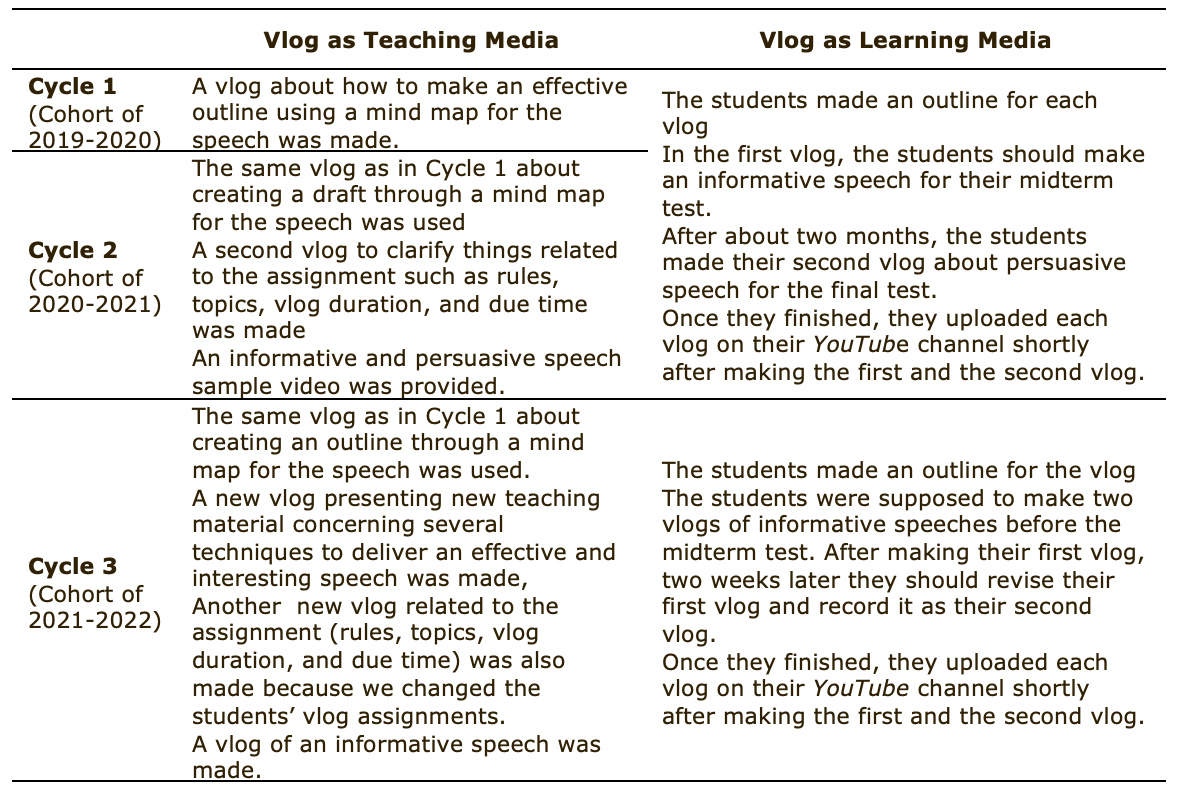
Table 1: The research procedure of the vlog integration in the three cohorts.
Three main intertwined and interrelated aspects were considered when constructing a new pedagogical approach through the vlog: students, lecturers, and learning. The students integrated their prior knowledge and experiences into the vlog production in order to encourage them to be active and confident while performing their educational speech. The lecturers continuously investigated, documented, and reflected upon the vlog integration process concerning the changes and the demands that the vlog brings to the learning. Lastly learning occurred when lecturers and students experienced the benefits and shortcomings of the vlogs integration and continually reviewed different strategies in using the vlogs to improve teaching and learning
Instruments
The instruments used in this study were an observation checklist, an open-ended questionnaire, and an evaluation guide. The first instrument was an observation checklist (see Table 2) to help the lecturers record the research progress and learning process during the vlog integration.
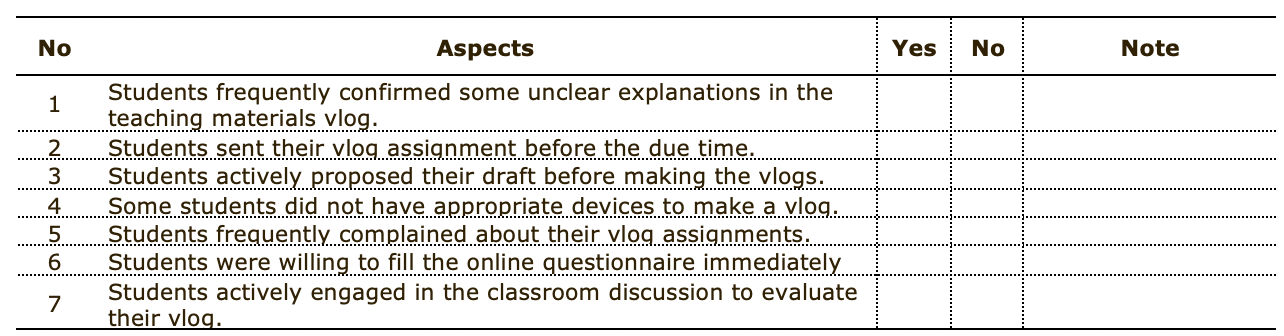
Table 2: An observation checklist for the lecturer during the vlog integration
The second instrument was an open-ended questionnaire (adapted from Ting, 2013) for students to fill out after the vlog production (see Table 3). It was distributed via Google Forms to elicit students’ perception toward the vlog integration.
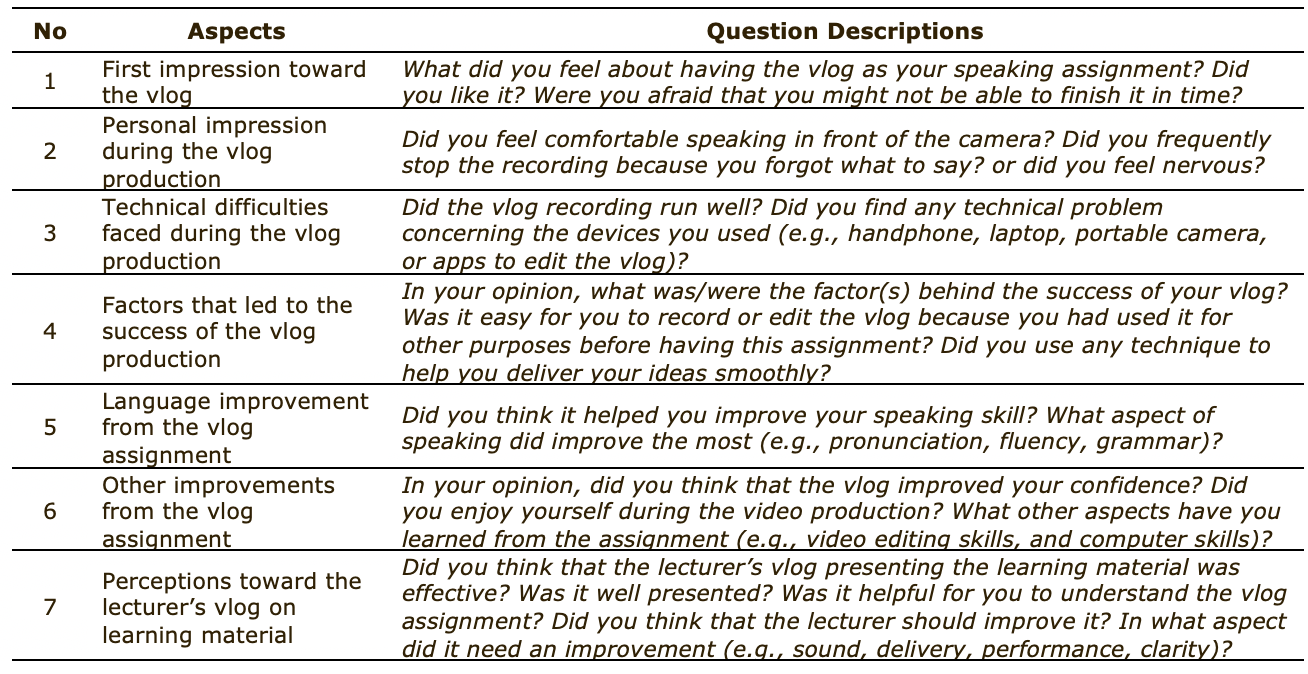
Table 3: An open-ended questionnaire for students
The third instrument was an evaluation guide to assess the vlog assignment (see Table 4). This evaluation guide was developed based on Rybold’s (2006) linear model of speech organization, which comprised six aspects: 1) introduction; 2) thesis statement; 3) preview; 4) body; 5) summary; and 6) conclusion. These were then divided into three main aspects to match the research procedure, mainly the second action (see Table 1). The three aspects were: 1) opening speech consisting of an introduction, thesis statement, and preview; 2) body; and 3) closing speech consisting of summary and conclusion. Rybold, however, only provided long descriptions concerning the criteria of a good speech reflected from the content in each aspect. Therefore, we classified those criteria into several points/numbers to make the vlog assessment more straightforward. Besides, we added other criteria known as (non-verbal delivery) grounded on Pan (2016) involving such aspects as eye contact, gesture, movement, and tone.
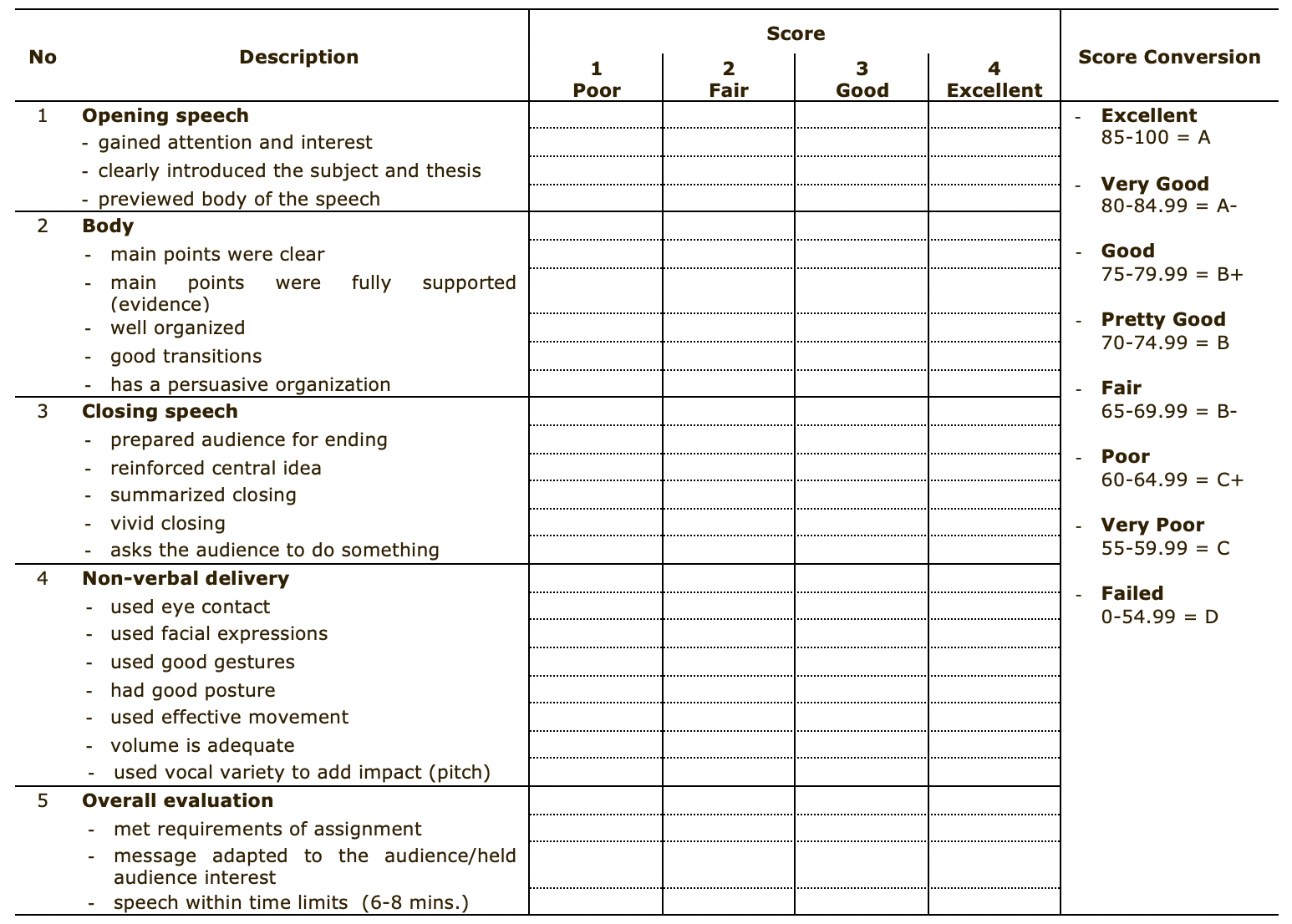
Table 4: Evaluation guide to assess the vlog assignment
Findings
In the following sections, the findings about the three points regarding the priorities and challenges that arose in every cycle are presented, along with how the vlog integration was developed, evaluated, and refined through the action research process. The evidence that was found for its effectiveness and ineffectiveness and that led us to preserve or reconstruct the actions is also described. Finally, several examples are included as a summary of the students' perceptions about vlogging obtained from the interviews in Cycles 1 and 2 and the open-ended questionnaire in Cycle 3.
Priorities and challenges from Cycle 1
In this cycle, the students were supposed to make two vlogs (an informative speech vlog for the midterm test and a persuasive speech for the final test). During the project, it was discovered that a few students did not understand the assignment and asked us to explain it to them several times in our online class session. We also found that there was no significant difference between their midterm (M=73.34, SD = 6.043) and final test (M=72.07, SD = 2.840) with t(29)=1.701, p> 0.05 as illustrated in Table 5.

Table 5: The first and second vlogs mean scores of the cohort of 2019-2020
In addition to their mean scores, most of the students offered some tips or explained the procedures with little and sometimes no evidence to support their information. For example, a student attempted to inform audiences that learning English from movie subtitles could enrich English vocabulary. The student suggested the audience use English subtitles whenever they watched a movie. His suggestion, unfortunately, was merely based on his perception of the benefit of English subtitles. It would have been better had he provided evidence (e.g., from research, a success story, or empirical data) to support his argument to convince the audiences that English subtitles were really able to increase their English vocabulary.
Another thing was that most students hardly used eye contact and gestures. Their eye contact was not at the screen, but it moved around on the right or left side of the screen. It seemed that they were reading a script during the recording. They rarely used gestures because they tended to talk to themselves as if they were a news anchor. In this case, the speech would have been more engaging if they had used some techniques to involve the audiences to obtain their interest in the speech (e.g., asking questions, telling stories, and telling jokes).
Priorities and challenges from Cycle 2
After reflecting on the previous cycle, we prioritized creating a vlog for the students to watch in order to understand the assignment and provide them examples of how native speakers delivered their speeches. Unlike students in the previous Cycle, who frequently asked about the assignment, the students in this Cycle simply could access our vlog explaining the rules from our YouTube channel whenever they needed it. This new instructional vlog successfully reduced the students' requests for us to clarify the assignment.
The students in this Cycle also had the same vlog assignments in which they had to make a vlog of informative speech for the midterm test and a vlog of a persuasive speech for the final test. The results in Table 6 indicate that the students’ speaking achievement on the midterm test (M=74.46, SD = 6.507) and final test (M=74.38, SD = 4.499) were not significantly different from each other with t(24) = 1.714, p > 0.05.

Table 6: The first and second vlogs’ mean scores of the cohort of 2020-2021
The students in this Cycle encountered identical problems as those in Cycle 1 concerning non-verbal delivery especially the absence of eye contact and proper gesture. They rarely used techniques during the speech to enhance the audiences' interest although these had been mentioned in class before they began working. It was decided to take a quite different approach to the vlog integration with the next cohort.
Priorities and challenges from Cycle 3
Realizing that the students in Cycles 1 and 2 had similar challenges regarding how to present the speech and non-verbal delivery, a new vlog was created that discussed some techniques on how to deliver an engaging speech (Rybold, 2006) and non-verbal delivery techniques (Pan, 2016). Another vlog was also presenting an informative speech as an example to which the students could refer. This new subject content helped the students deliver a better speech than those in the previous Cycles especially in their methods to gain the audiences' interest. They opened the speech using the techniques suggested in the teaching material vlog. They provided evidence to support their content:
- Do you like watching K-movie? (question)
- Nabi Muhammad has ever [sic] said that…(quote)
- Yesterday, my brother came to me crying because he said he could not understand English… (story)
- Based on observation of [an] English class… (evidence from personal experience)
- According to [sic] Wahyu (2018), he stated that… (evidence from research)
Several students had already used the techniques in examples (1), (2), and (3) to open their speech in the first vlog while the others used them in their second vlogs to revise their first vlogs. Some of them tried to support their information by providing evidence even though sometimes it was not really convincing as in example (4). Only two students did proper research by reading more empirical evidence as in example (5).
Different from the students in Cycles 1 and 2, the students had to make two vlogs of informative speech before presenting the midterm test. This new approach, surprisingly, was able to improve the students' speaking achievement as illustrated in Table 7. The results indicated that the students' second vlogs (M = 74.38, SD = 4.499) scored significantly higher than the first ones (M = 74.38, SD = 4.499) with t(30) = 1.6991, p< 0.05.

Table 7: The first and second vlogs mean scores of the cohort of 2021-2022
Almost all students did a better performance concerning their non-verbal delivery in their second vlogs. Table 8 shows several examples of how the students improved in their second vlogs.
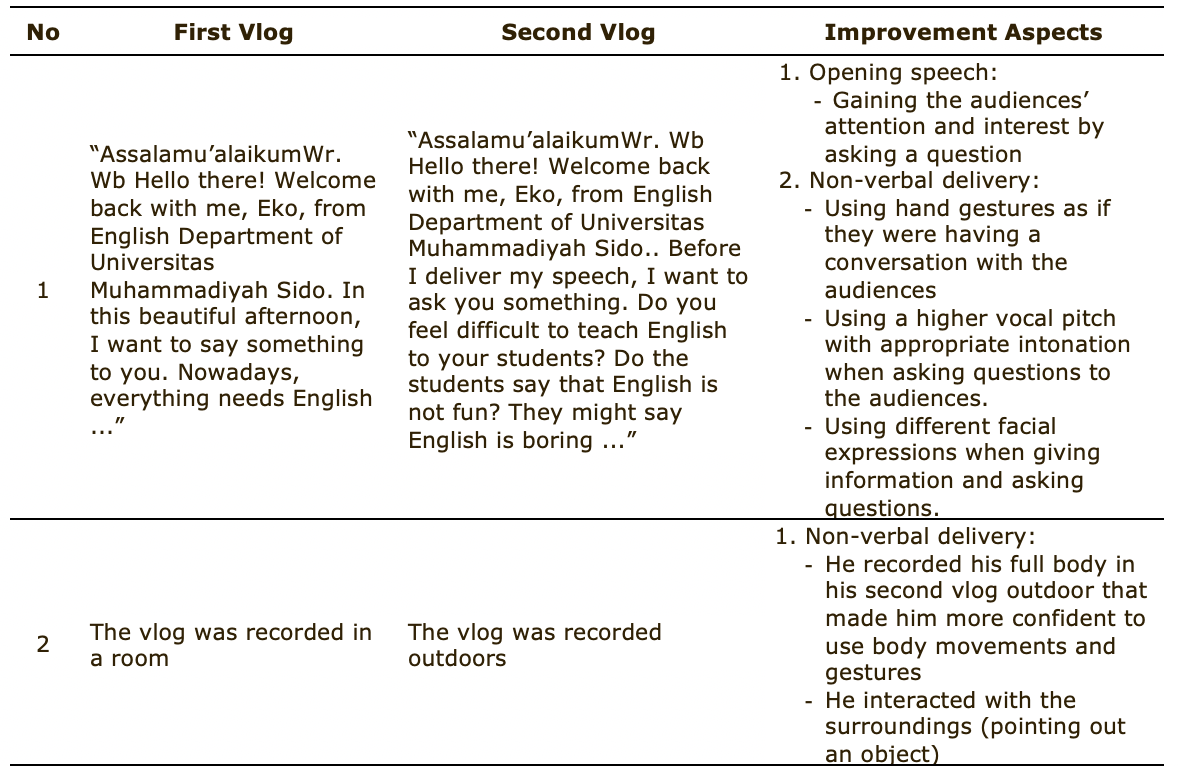
Table 8: Examples of students’ improvement in first and second vlogs
In short, the most common aspect that was improved from the students' second vlogs was their non-verbal delivery. They seemed to be more confident because they might have learned from their first vlog. Some students made changes in the techniques they used to get the audiences' involved and to help them convey their message by using better facial expressions, gestures, and intonation. They looked calmer and more comfortable in using body language that matched the tone of the speech without distracting audiences, and more fluent in uttering the words with effective variations in rate, volume, tone, and voice inflection that are appropriate to the purpose.
Students’ perception toward the vlog integration
We summarized the students' perceptions from the three Cycles and classified them into three main themes. The themes were their responses on (1) the benefits of the vlog integration, (2) the obstacles of the vlog integration, and (3) the lecturer's vlog. The first was the students' perception of the benefits of the vlog integration. Some students perceived that the vlog integration provided them an opportunity to practice a real-life language outside the classroom in a less threatening environment thus elevating their self-confidence. It brought a comfortable learning milieu that led to a positive attitude (e.g., excitement) toward the assignment. Besides, the vlog integration was able to improve their English fluency because they had to practice the speech several times before recording.
I liked talking on camera more than in front of many audiences because I had to do it alone without audiences that sometimes made me feel anxious and nervous. (C3-04)
I think this assignment improves my speaking skill because at first, I am not sure if I am confident enough to have a speech. However, after making two vlogs and doing several trials before recording the vlog, I was surprised that I could speak confidently and fluently on the camera. (C1-21)
However, some students felt that producing the vlog was challenging for them. They often felt very nervous and forgot what to say and that forced them to record their performance several times to get the best video. They were also afraid not to finish the second vlog on time since we asked them to submit it a week after the first vlog. Some other challenges also came from their recording device and environmental conditions that could obstruct the vlog production.
I had to stop and repeat the recording many times because I felt nervous and forgot what to say. (C2-16)
I felt excited but a bit shocked when my lecturer told us to revise the vlog in a week. I was afraid that I could not finish it in time. (C3-07)
My device did not work very well. It died when it was getting hot because of the recording. (C3-25)
I felt annoyed when recording my vlogs because sometimes there was a lot of noise from cars, chickens, or people that disturbed me. (C1-16)
The last challenge was the students' perception of our vlogs as the teaching media. They felt that these vlogs effectively helped them learn the material independently although they could not attend the class. However, they perceived that our explanation in the vlog was too fast for them to understand the subject matter.
The lecturer’s vlogs were very effective, especially for the students who could not attend the class. (C3-09)
The lecturer should present the material slower to make the students more understand. (C1-28)
The lecturer should provide feedback for the students immediately after the students made the vlog concerning the speech content and grammar. (C2-18)
Discussion
This study resulted in the development of a vlog integration for teaching and learning media in speaking classrooms in which the students had to produce informative and persuasive speeches during the semester. The priorities changed simultaneously depending on the reflections from the previous cycle that led to design a new approach to the vlog integration in the next cycle. Therefore, the challenges changed from one cycle to the others. In the following sections, the improvement that the vlog integration brought into our speaking classrooms is discussed.
Vlog integration for teaching media
Utilizing vlogs as a tool for delivering subject content in the speaking classrooms made it easier to observe and reflect on the teaching strategies that were contextualized with the students’ needs. Similar to Hong and Riper (2016) and Ong et al. (2020), vlogs also encouraged learning about new strategies to help the students perform better in their next vlogs. For example, initially a vlog about how to make a mind map to help the students contextualize their idea for the speech content was prepared. By making the mind map as suggested in the vlog, the students were able to present their speech in a well-organized and coherent way. They effectively introduced the topic and used appropriate transitions that made their organizational structure easy to follow. However, they failed to provide an adequate resource to attract the audiences' interest to the topic in which they simply shared their opinions as supporting details that might not be sufficiently strong. Another problem was that they made little eye contact with the audience because they were apparently reading their notes while recording. Consequently, they spoke too fast or too slow with little variation in tone, and infrequently used facial expressions and body movements.
In response to those drawbacks, it was decided to make another vlog presenting new teaching material about how to introduce the speech using several techniques (story, statistics, a direct quote, or a joke), how to organize the idea, how to summarize the main point, and how to use an effective nonverbal delivery (eye contact, gestures, facial expression, etc.). This new teaching material was able to enhance the students' performance by dealing with their way to introduce the topic and provide supporting evidence for the content. They managed to gain the audiences' interest by telling a story, giving a direct quote, and asking a question. To convince the audiences about the information, some of them cited a research report, magazine, or news as the speech details. In the closing speech, they also made a summary for audiences to recall some points of the speech.
In addition to observations of the students' performance, the findings supported Newhouse et al.’s (2007) postulation that making a vlog as teaching media allowed the students to evaluate a teacher’s way of teaching. Most of them perceived that the vlogs that were presented to them effectively helped those who could not attend the class catch up with the subject matter. They also asked for feedback immediately after their their vlog assignments were turned in to let them know what to improve. In this case, Riel (2019) mentioned that the students became the participants who actively contributed to the continual instruction development as a part of the collaborative action research goal to conceptualize how action learning and action teaching might work together.
Vlog integration as learning media
The students’ vlogs were assessed on five aspects: 1) opening speech, 2) body, 3) closing speech, 4) non-verbal delivery, and 5) overall evaluation. The findings indicated different results in each of the three cycles. Firstly, the vlog was intended as the students’ tasks for their midterm and final tests. They were supposed to prepare an informative and a persuasive speech respectively. The results of using this learning model showed that the vlog integration could only prevent the students’ speaking loss during the COVID-19 pandemic in which the students’ first and second vlogs were not significantly different from each other (see Table 5 & 6). In other words, vlogs could not enhance the students’ speaking achievement and that might be due to several reasons. First, the students could not compare their first and second performances concerning the speech contents because they had two vlogs delivering different speeches (informative and persuasive speeches). Second, they probably could not reflect on their first vlog immediately because it took them two months to produce their second vlog. Consequently, they barely improved their nonverbal delivery in the second vlog.
After reflecting on this fact, the students were then assigned to make two vlogs for one kind of speech. At the time of this study, the students made two informative vlogs. This new task model was able to promote their speaking achievement in which the second vlogs were significantly better than the first ones (see Table 7). Then, the first vlog became a model for the students to learn and improve their second vlog, particularly as relates to their nonverbal delivery. The students tended to perform more confidently in their second vlog. They made steadier eye contact, gestures, and head nods accompanying their verbal language than in their first vlogs. This finding was in agreement with Madzlan et al. (2020) as it was revealed that the use of vlogs brought significant positive outcomes in reducing public speaking anxiety among ESL learners that could improve their confidence.
Altogether, the results signified that the vlog integration could be one of the solutions to what Conto et al. (2021) suggested: educational stakeholders might merge technical support to prevent and mitigate learning loss due to school closure. Vlog integration addressed remote learning challenges which provided opportunities for the students to practice, monitor their learning progress, and ensure that they continually learned independently at home. Furthermore, most of the students viewed making a vlog a difficult experience at first because they were afraid that they could not turn in the assignments in time. However, it eventually became a more comfortable platform for the students to practice instead of presenting the speech before audiences. The absence of audiences decreased their anxiety level and enhance their confidence. This finding supported Hsu (2016) who claimed that a safe and less threatening environment could provide the students with a convenient learning environment that led them to practice the target language better. This improvement mainly dealt with the students’ speaking fluency due to their self-consciousness about mistakes that allowed them to self-correct their language by having trial and error several times before getting the best vlog. Conversely, having a speech in an offline setting would not allow the students to reflect upon their performance to promote their speaking ability. Therefore, it has been deduced that the vlog integration was an effective tool for the students to practice their speech.
Conclusion
In this paper, vlog integration in speaking classrooms from different cohorts from 2019-2021 was described. To support vlog integration, action research was used to promote a continual improvement of three different cohorts. Each cohort represented a cycle in which two actions were undertaken: vlogs as teaching media and as learning media. This improvement was grounded in priorities and challenges occurring in each cycle and became our consideration to for establishing a new pedagogical approach for the next cycle. During the project, it was found that vlog integration opened up opportunities for the students to evaluate their instructors methods of teaching. This helped the teachers design a proper teaching method and decide the most appropriate subject content based on the students' needs and interests. Gradually the teaching approach was improved after reflection on the students' performance and perception of the teaching material. Besides, the vlog integration contributed differently to the students' speaking achievement. The first discovery was that the vlog integration could not improve the students' speaking achievement when the students delayed the second vlog production for almost two months after the first vlog, as in Cycles 1 and 2 (see Tables 5 & 6). On the other hand, it enhanced the students' speaking achievement especially their confidence when the second vlog was made two weeks after the first one as in Cycle 3. Apart from this fact, most importantly, vlog integration successfully limited the students' speaking loss due to the COVID-19 pandemic, and became a priority to bring vlog integration into other speaking classrooms. Finally, this study adds knowledge on vlog integration which may help educators and course designers utilize such an effective digital learning approach for teaching and learning media as the vlog integration.
References
Adelman, C. (1993). Kurt Lewin and the origins of action research. Educational Action Research, 1(1), 7-24. https://doi.org/10.1080/0965079930010102
Anil, B. (2016). Top-up students second language talk time through vlogs. Indonesian Journal of EFL and Linguistics, 1(2), 129-143. http://dx.doi.org/10.21462/ijefll.v1i2.9
Anggraeni, A., Rachmijati, C., & Apriliyanti, D. L. (2020). Vlog: A tool for students’ speaking practice enhancement. Research and Innovation in Language Learning, 3(1), 23–31.
Ariani, S., & Tawali, T. (2021). Problems of online learning during covid-19 pandemic in speaking for professional context class. Jo-ELT (Journal of English Language Teaching), 8(1), 32-37. https://doi.org/10.33394/jo-elt.v8i1.3783
Azevedo, J. P., Hasan, A., Goldemberg, D., Iqbal, S. A., & Geven, K. (2020, June). Simulating the potential impacts of Covid-19 school closures on schooling and learning outcomes: A set of global estimates. The World Bank.https://doi.org/10.1093/wbro/lkab003
Azim Premji Foundation. (2021, February). Loss of learning during the pandemic. Field Studies in Education.https://azimpremjiuniversity.edu.in/media/publications/downloads/report/Learning-Loss-during-pandemicc.f1712062129.pdf
Burns, A. (2012). Renewing classroom practices through collaborative action research. In K. Dikilitaş, R. Smith, & W. Trotman (Eds.), Teacher-researchers in action (pp. 9–18). IATEFL
Cardinal, J. (2020). “Lost learning”: What does the research really say?. International Baccalaureate Organization.https://www.ibo.org/contentassets/438c6ba2c00347f0b800c536f7b1fab8/lost-learning-en.pdf
Casey, G., & Evans, T. (2017). Action research to support the integration of social media in the classroom. Action Research, 16(2), 127–151. https://doi.org/10.1177/1476750316674539
Chen, S.-P., Horgan, S., Johns, J., Krauss, E., & Stuart, H. (2021). Involving student peer researchers for gender-informed health promotion: A community-based participatory action research. Educational Action Research, 31(3), 521-539.https://doi.org/10.1080/09650792.2021.1970603
Conto, C. A., Akseer, S., Dreesen, T., Kamei, A., Mizunoya, S., & Rigole, A. (2021). Potential effects of COVID-19 school closures on foundational skills and country responses for mitigating learning loss. International Journal of Educational Development, 87. https://doi.org/10.1016/j.ijedudev.2021.102434
Dick, B., Stringer, E., & Huxham, C. (2009). Theory in action research. Action Research, 7(1), 5–12. https://doi.org/10.1177/1476750308099594
Edward, E., & Burns, A. (2016). Action research to support teachers’ classroom materials development. Innovation in Language Learning and Teaching, 10(2), 106–120. http://dx.doi.org/10.1080/17501229.2015.1090995
Engzell, P., Frey, A., & Verhagen, M. D. (2021). Learning loss due to school closures during the COVID-19 pandemic. Proceeding of the National Academy of Science of the United States of America, 118(17).https://doi.org/10.1073/pnas.2022376118
Ferrance, E. (2000). Theme in education: Action research. Brown University. https://repository.library.brown.edu/studio/item/bdr:qbjs2293
Fitriani, Y., Bandung, M., & Kadri, M. K. (2020). Students’ perspective of online learning on speaking class during Covid-19 pandemic. Humanitatis: Journal of Language and Literature, 7(1). https://doi.org/10.30812/humanitatis.v7i1.946
Hong, C. E., & Riper, I. V. (2016). Enhancing teacher learning from guided video analysis of literacy instruction: An interdisciplinary and collaborative approach. Journal of Inquiry and Action in Education, 7(2), 94-110. https://files.eric.ed.gov/fulltext/EJ1133602.pdf
Hsu, H.-C. (2016). Voice blogging and L2 speaking performance. Computer Assisted Language Learning, 29(5), 968-983. https://doi.org/10.1080/09588221.2015.1113185
Kuhfeld, M., Soland, J., Tarasawa, B., Johnson, A., Ruzek, E., & Liu, J. (2020). Projecting the potential impact of COVID-19 school closures on academic achievement. Educational Researcher, 49(8), 549–565. https://doi.org/10.3102/0013189X20965918
Madzlan, N. A., Seng, G. H., & Kesevan, H. V. (2020). Use of video blogs in alleviating public speaking anxiety among ESL learners. Journal of Education and e-Learning Research, 7(1), 93-99. https://doi.org/10.20448/journal.509.2020.71.93.99
Mandasari, B., & Aminatun, D. (2020). Improving students’ speaking performance through vlog. English Education: Journal of English Teaching and Research, 5(2), 136-142. https://doi.org/10.29407/jetar.v5i2.14772
Manfra, M. M. (2019). Action research and systematic change: Intentional change in teaching practice. Review of Research in Education, 43(1), 163–196. https://doi.org/10.3102/0091732X18821132
Moradkhani, S., Raygan, A., & Moein, M. S. (2017). Iranian EFL teachers' reflective practices and self-efficacy: Exploring possible relationships. System, 65, 1-14. https://doi.org/10.1016/j.system.2016.12.011
Mshelia, C., Lê, G., Mirzoev, T., Amon, S., Kessy, A., Baine, S. O., & Huss, R. (2016). Developing learning diaries for action research on healthcare management in Ghana, Tanzania and Uganda. Action Research, 14(4), 412–434. https://doi.org/10.1177/1476750315626780
Newhouse, C. P., Lane, J., & Brown, C. (2007). Reflecting on teaching practices using digital video representation in teacher education. Australian Journal of Teacher Education, 32(3), 51-62. http://dx.doi.org/10.14221/ajte.2007v32n3.5
Ong, W. A., Swanto, S., & Alsaqqaf, A. (2020). Engaging in reflective practice via vlogs: Experience of Malaysian ESL pre-service teachers. Indonesian Journal of Applied Linguistics, 9(1), 716-724. https://doi.org/10.17509/ijal.v9i3.23222
Pan, M. (2016). Nonverbal delivery speaking assessment: From an argument to a rating scale formulation and validation.Springer.
Puspitasari, D., Nofianto, N., & Huda, M. I. (2021). Teacher’s strategies in survival speaking learning during COVID-19 pandemic. Leksika, 15(1), 37–47. https://doi.org/10.30595/lks.v15i1.946 9
Rahmawati, R. Sihombing, C., Ginting, E. K. B., & Arimonnaria, E. (2021). The effect of e-learning on students speaking skill progress: A case of the seventh grade at SMP Pencawan Medan. Indonesian EFL Journal, 7(1), 69-78. https://doi.org/10.25134/ieflj.v7i1.3995
Riel, M. (2019, February). Understanding collaborative action research. Center For Collaborative Action Research, Pepperdine University. https://base.socioeco.org/docs/center_for_collaborative_action_research.pdf
Riyanto, E.D. 2020. The benefits of integrating video making in a speaking class. English Language Teaching Educational Journal. 3(1): 64-74. https://doi.org/10.12928/eltej.v3i1.1850
Rizk, J., & Davies, S. (2021). Can digital technology bridge the classroom engagement gap? Findings from a qualitative study of K-8 classrooms in 10 Ontario school boards. Social Sciences, 10(1), 12. https://doi.org/10.3390/socsci10010012
Rybold, G. (2006). Speaking, listening, and understanding: Debate for non-native English speakers. IDEA.
Soesatyo, Y., Tjipto Subroto, W., Canda Sakti, N., Edwar, M., & Trisnawati, N. (2017). Pelatihan penulisan proposal Penelitian Tindakan Kelas (PTK) bagi guru ekonomi Kabupaten Sidoarjo [Classroom Action Research (CAR) proposal writing training for economics teachers in Sidoarjo Regency]. JurnalPemberdayaan Masyarakat Madani (JPMM), 1(2), 162-178. https://doi.org/10.21009/JPMM.001.2.02
Ting, N. C. (2013). Classroom video project: An investigation on students’ perception. Procedia- Social and Behavioral Science, 90, 441-448. https://doi.org/10.1016/j.sbspro.2013.07.113
Yarrow, N., Masood, E., & Afkar, R. (2020). Estimates of Covid-19 impacts on learning and earning in Indonesia: How to turn the tide. The World Bank. http://hdl.handle.net/10986/34378